
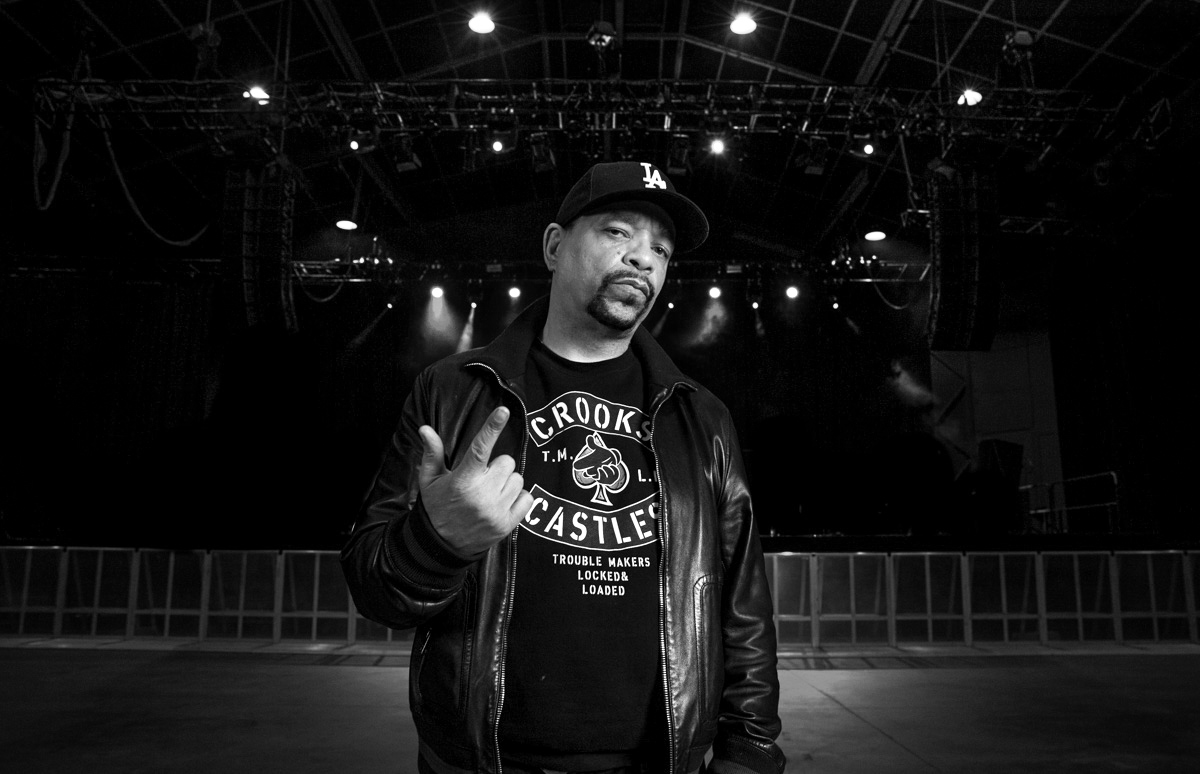
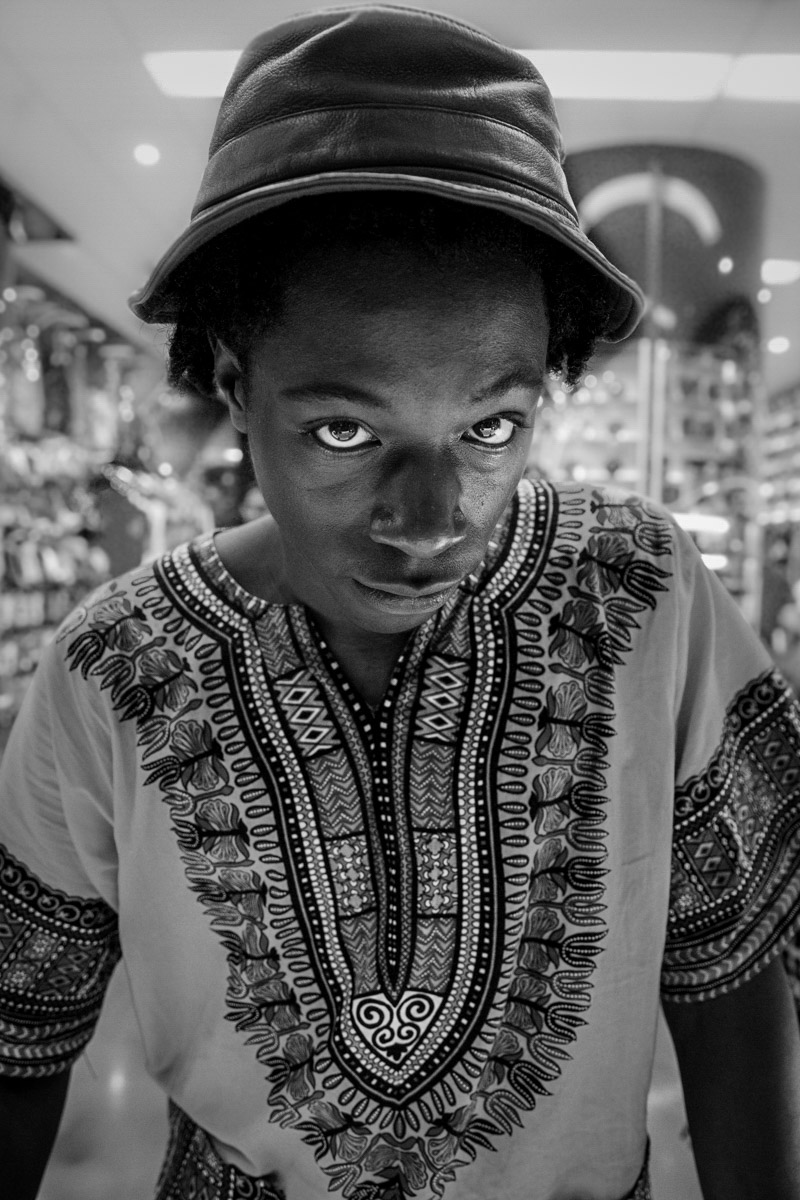
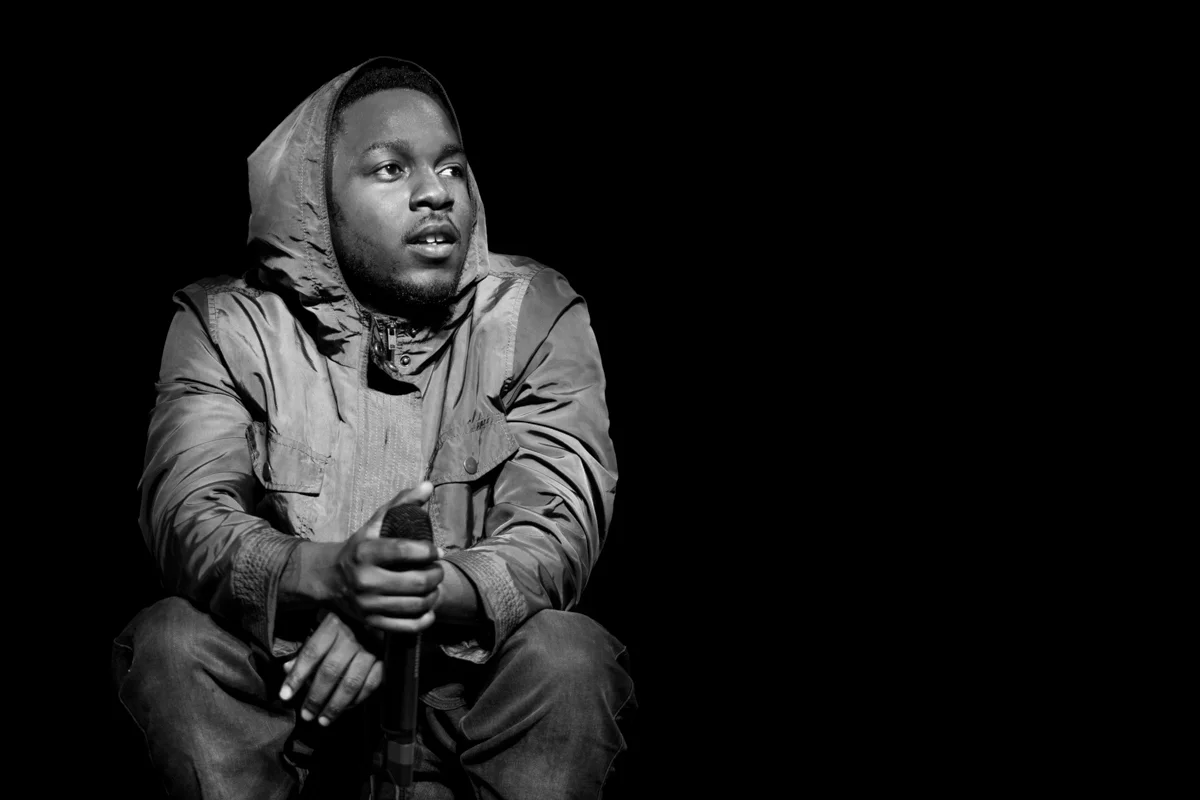
A Way Of Life
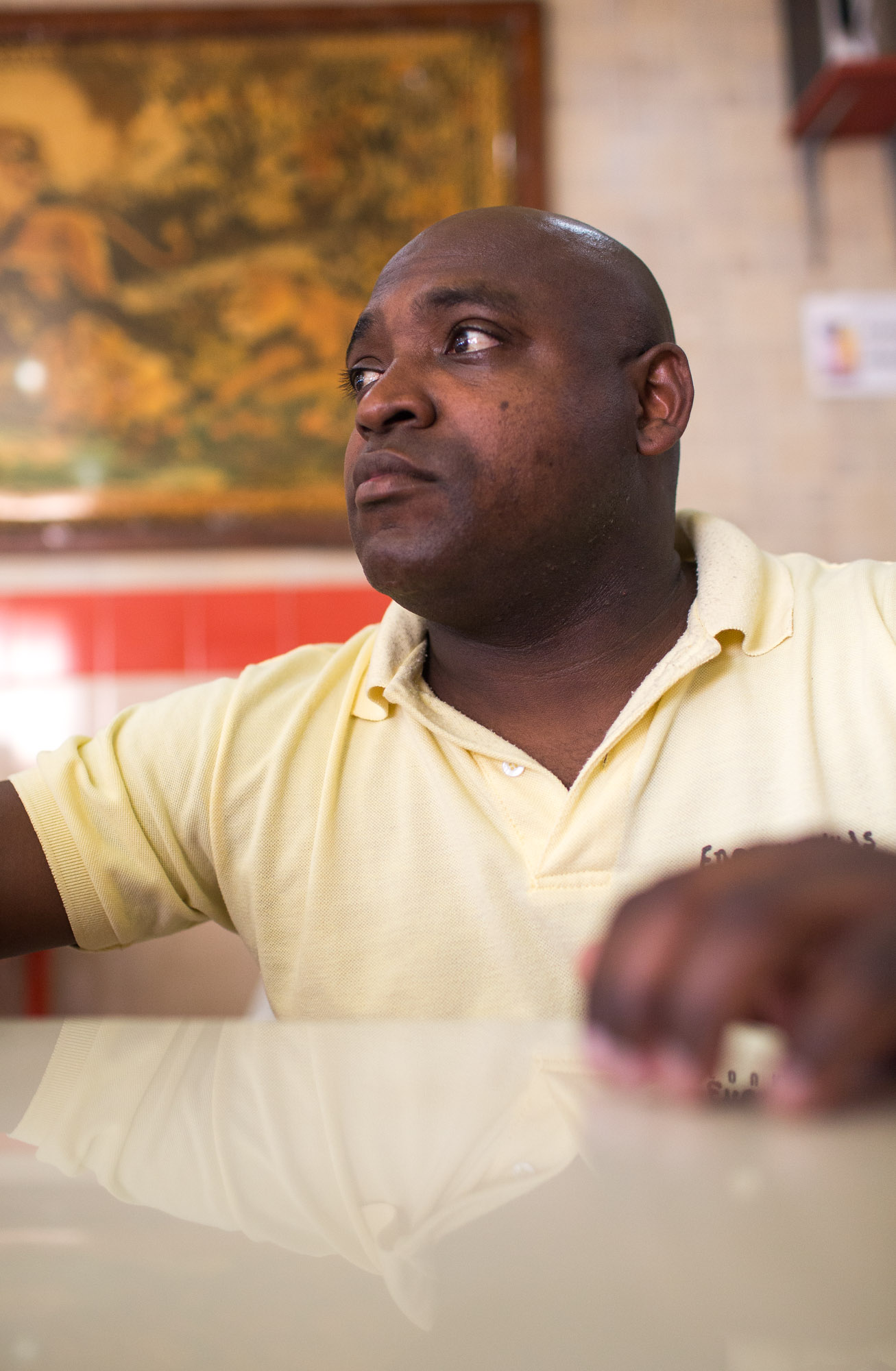
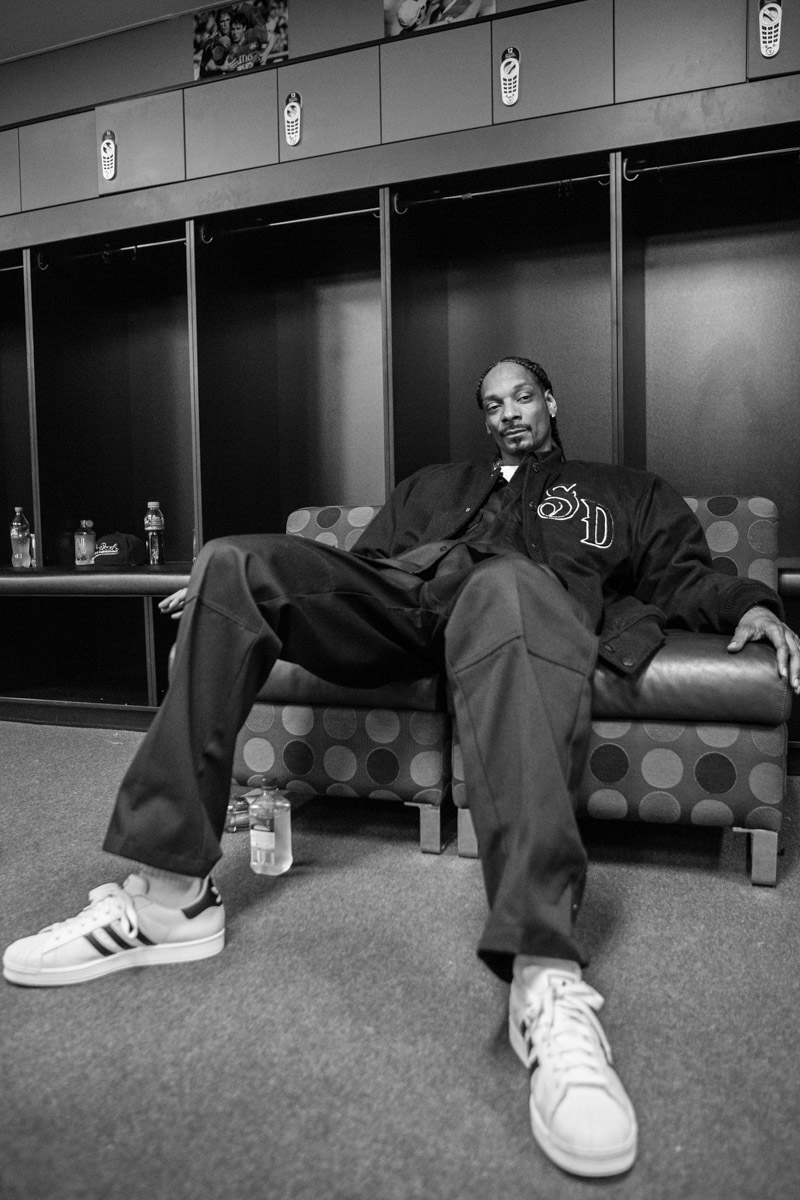
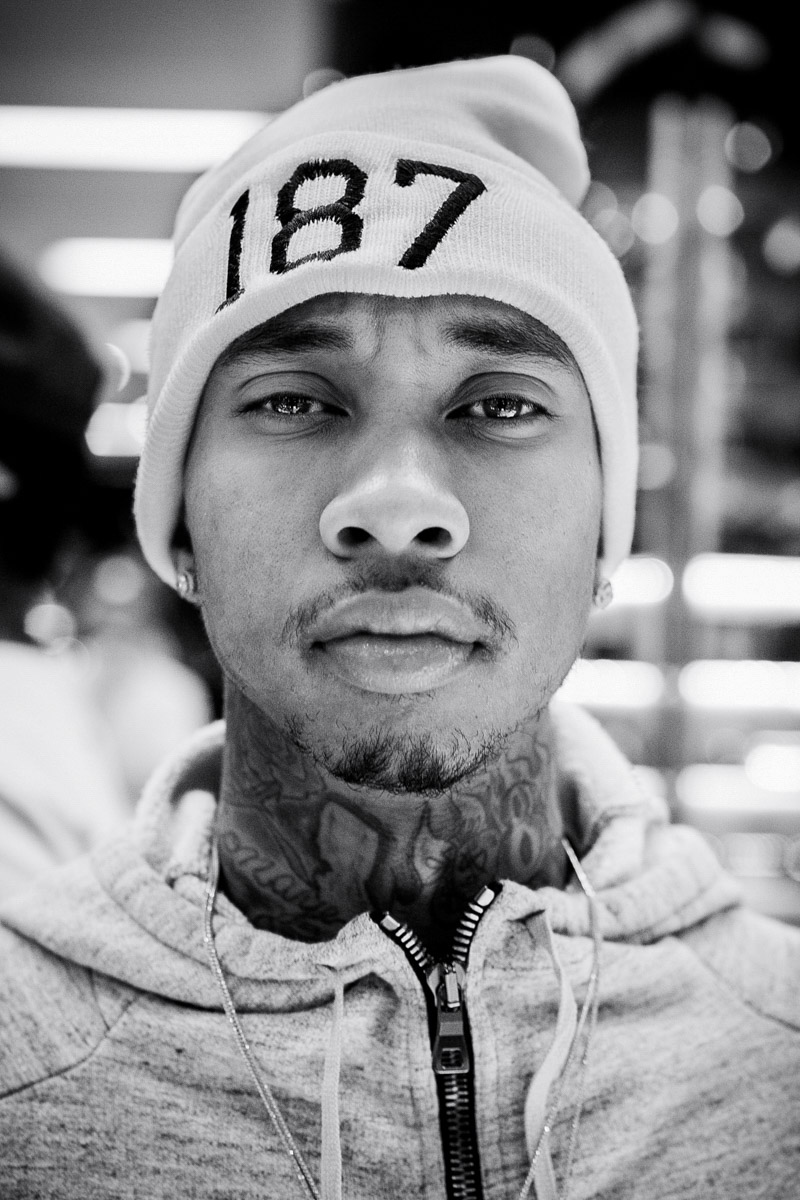
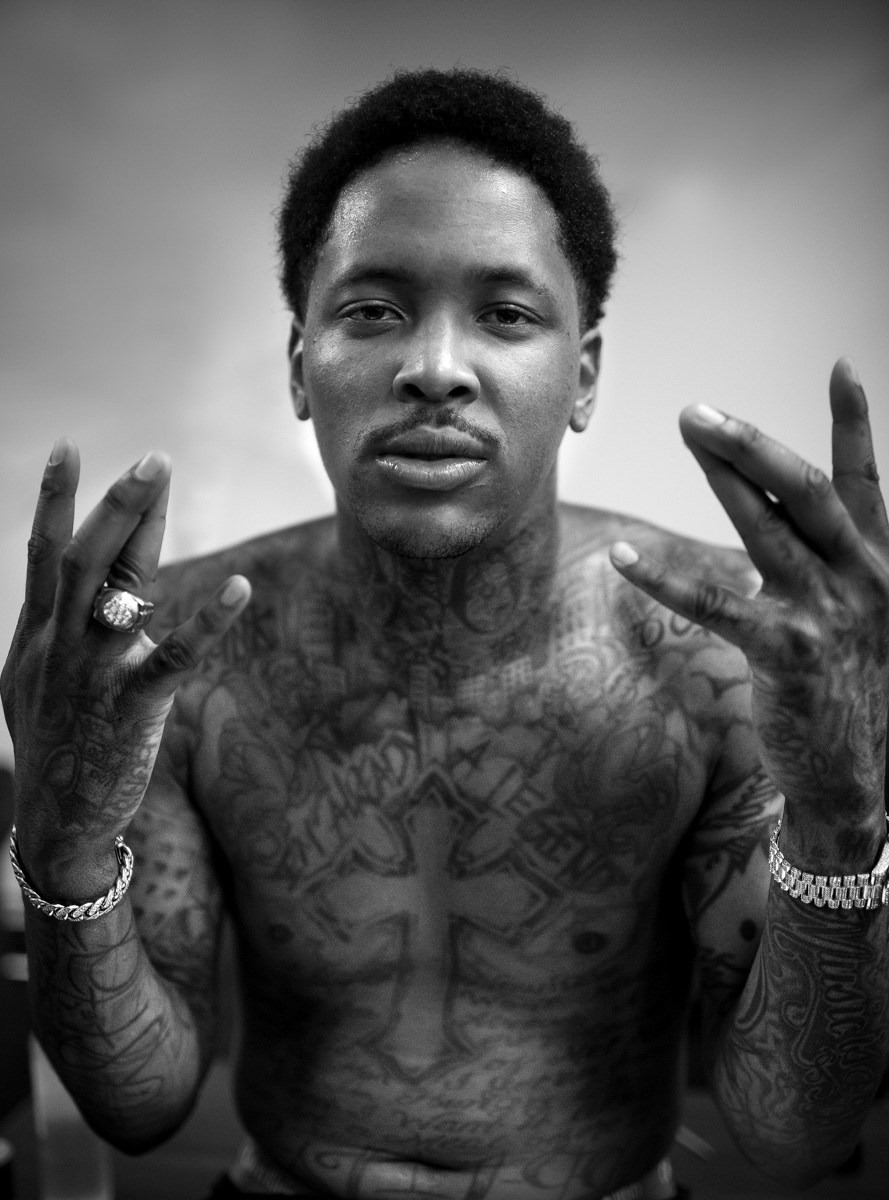
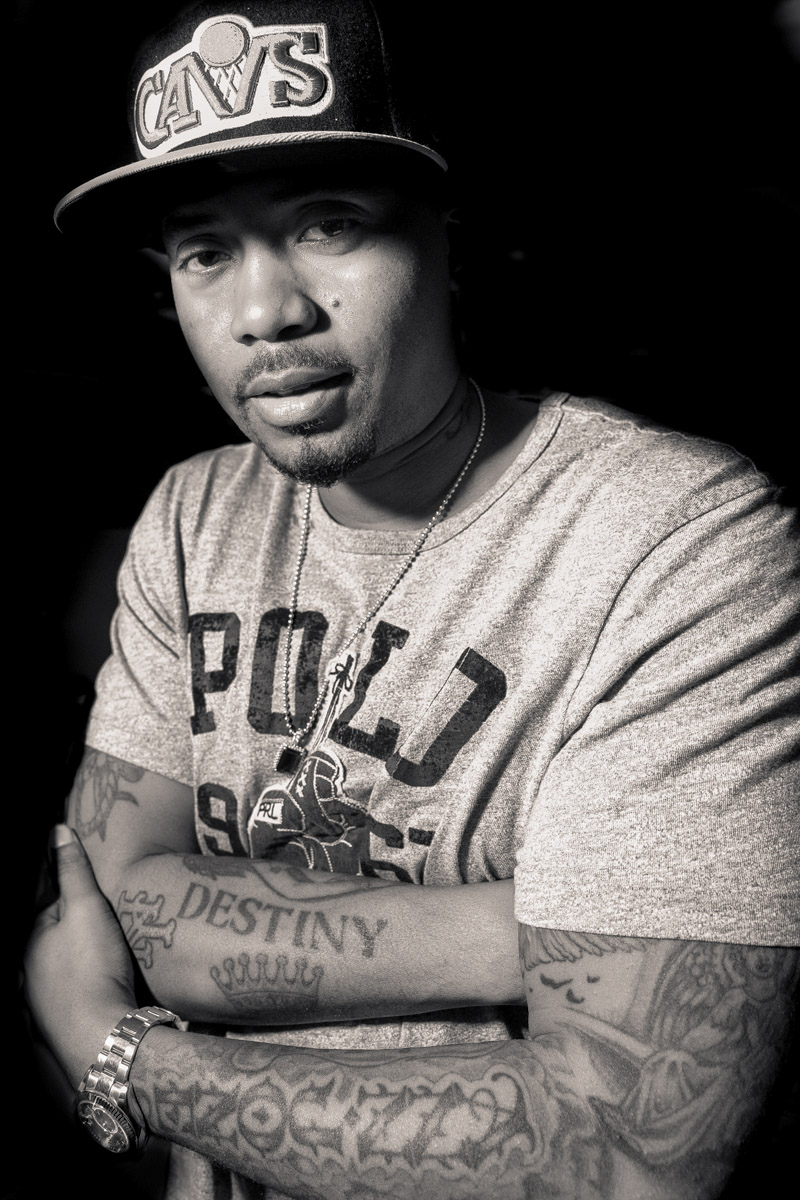
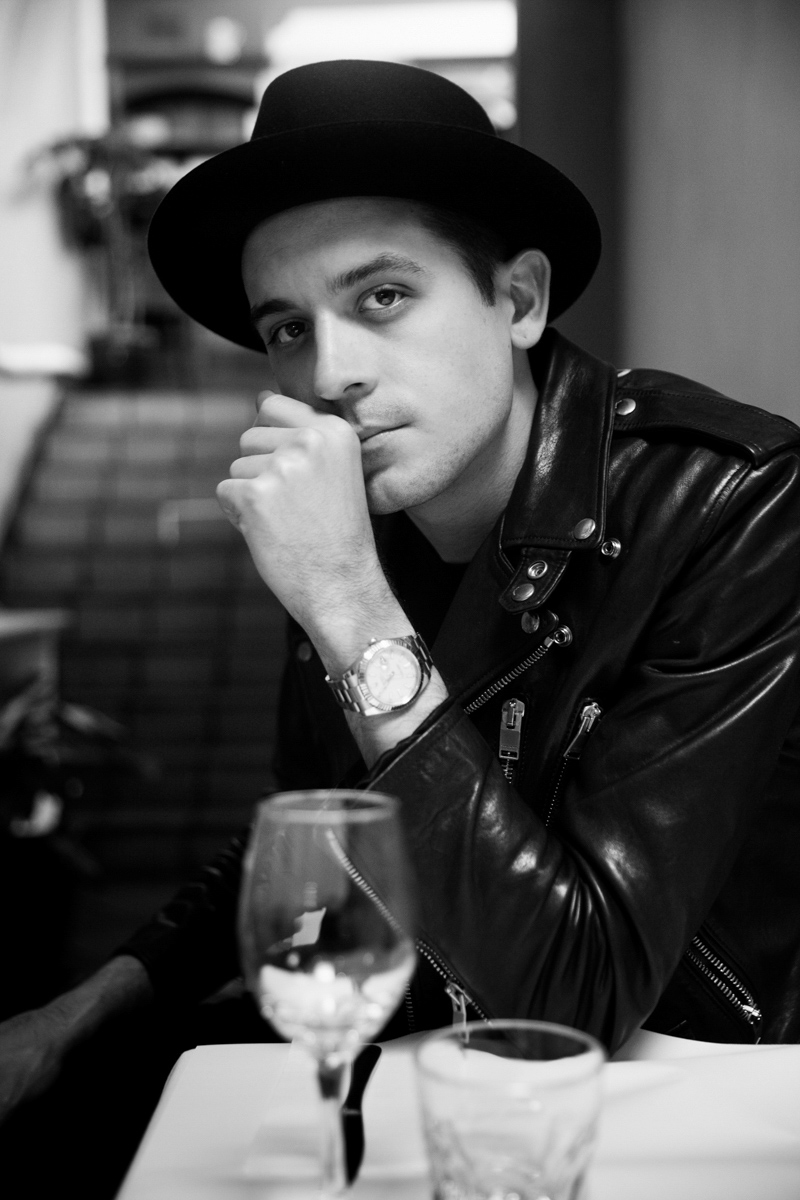
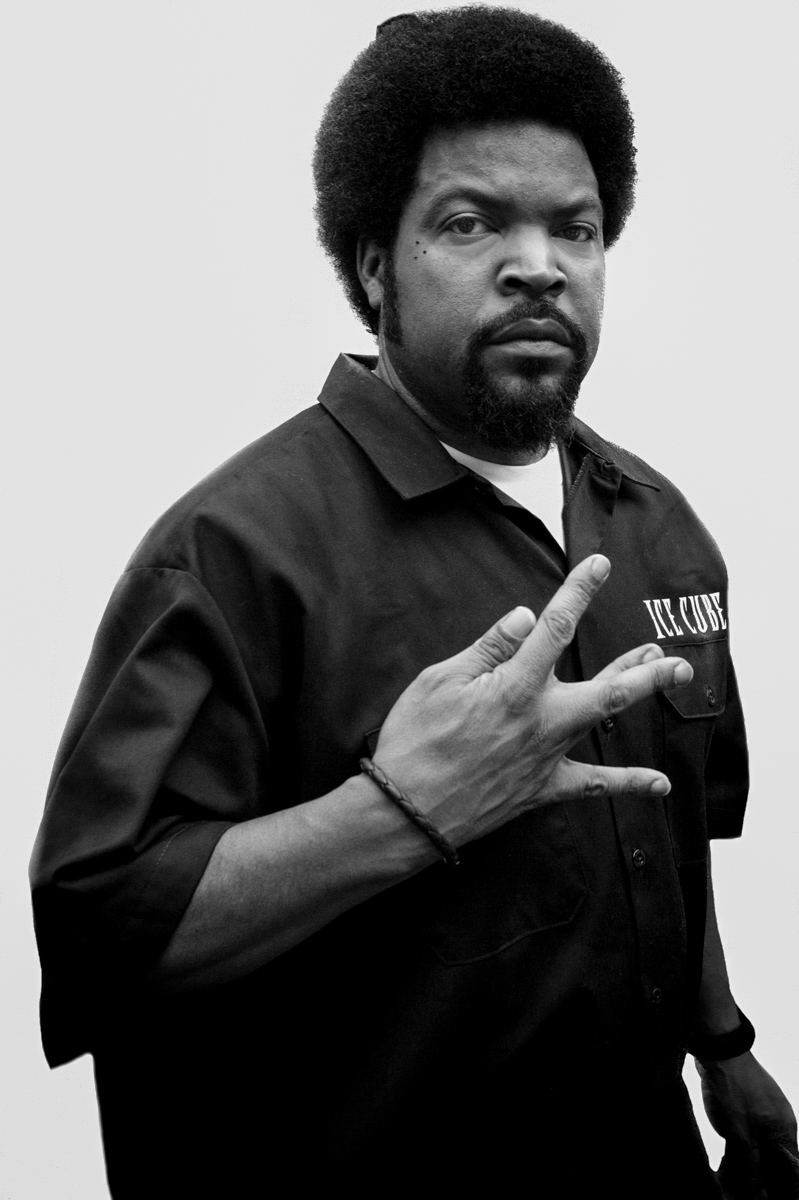
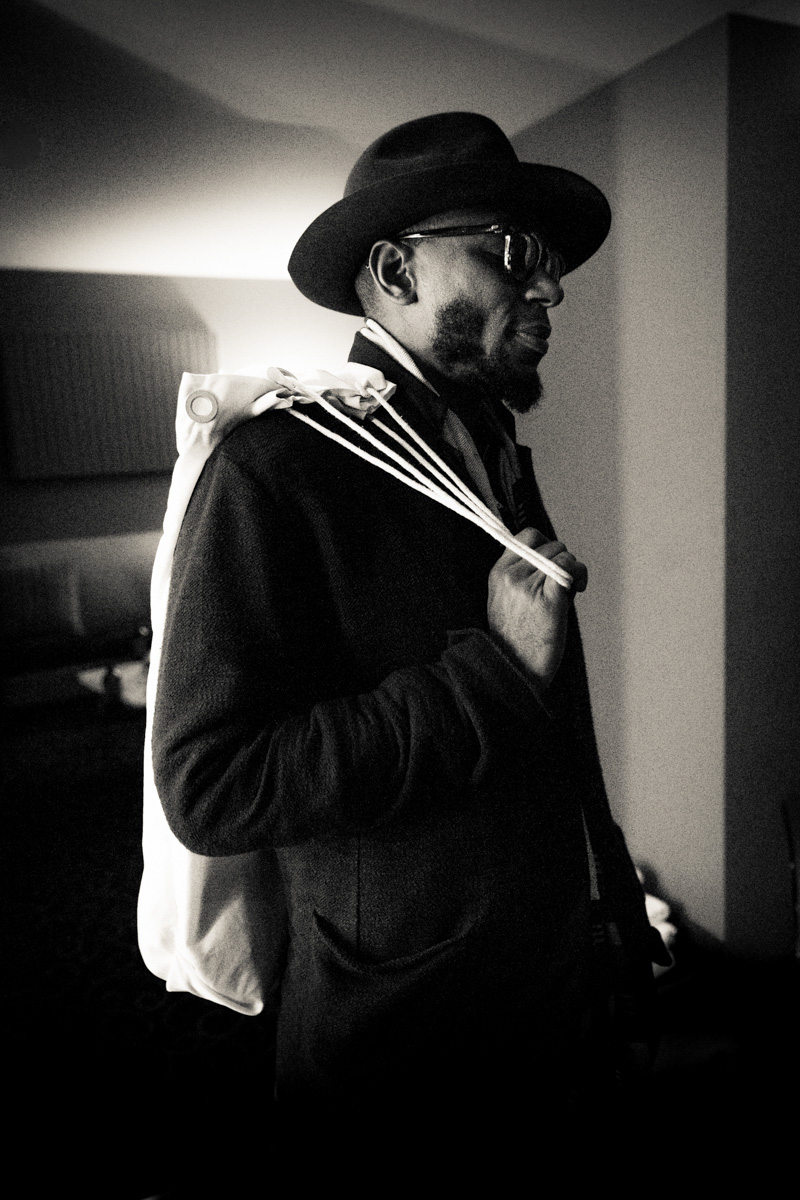
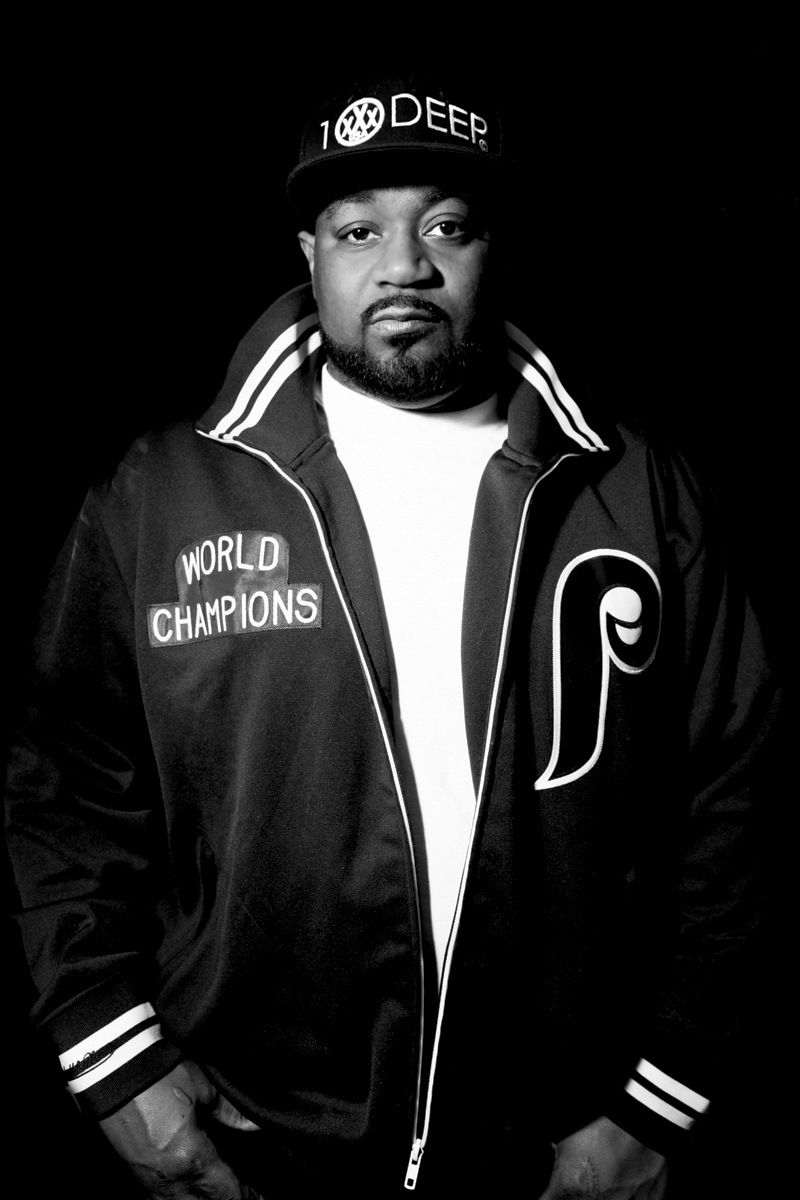
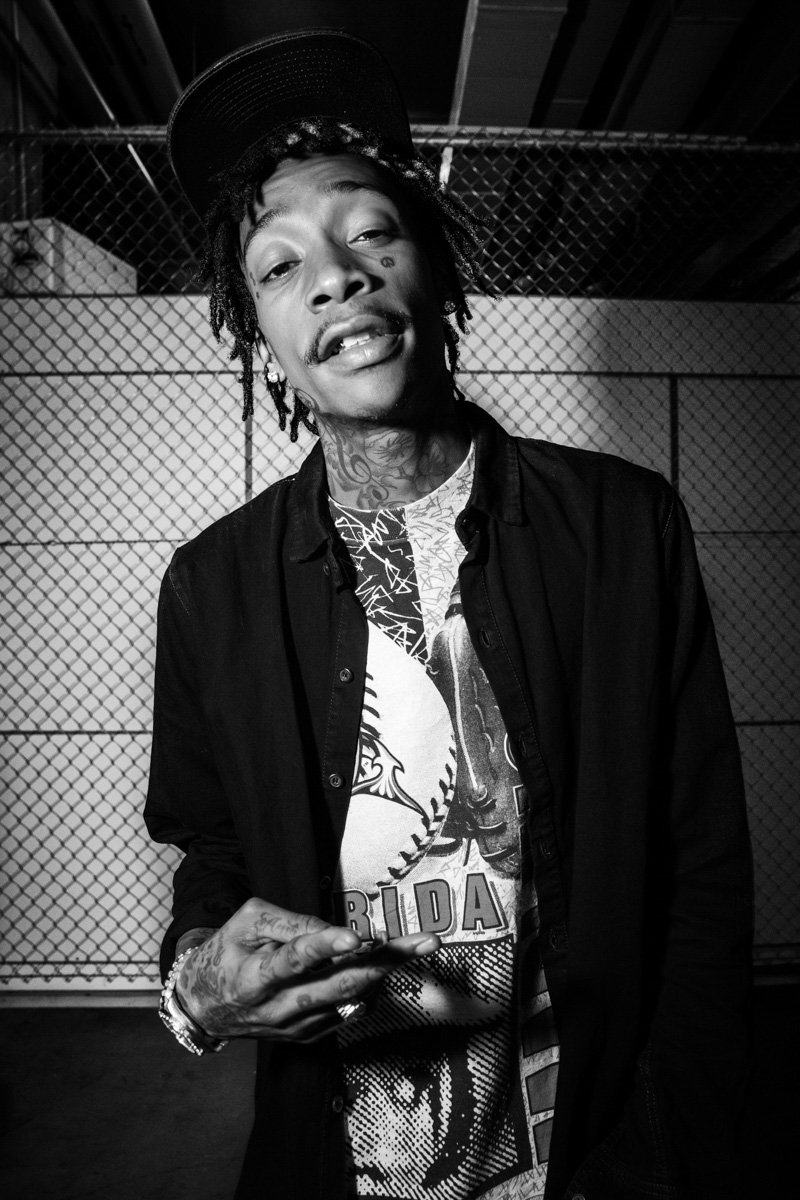
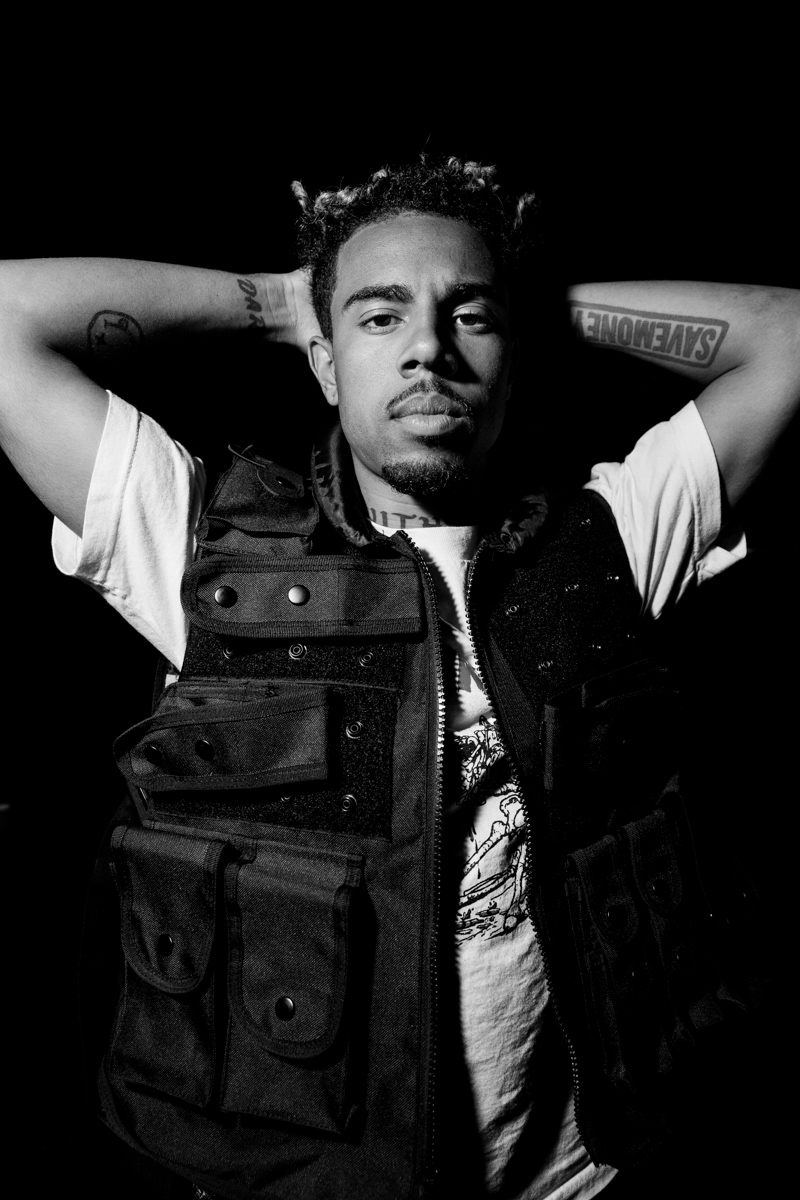
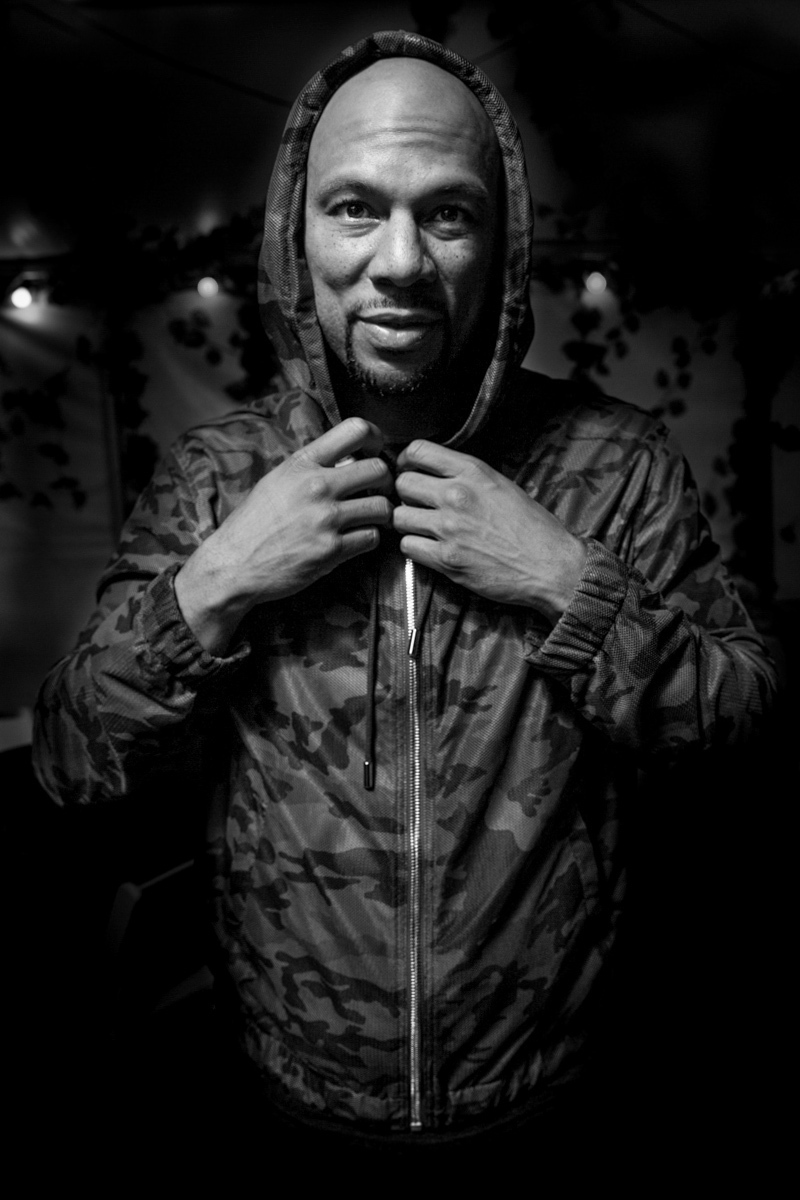
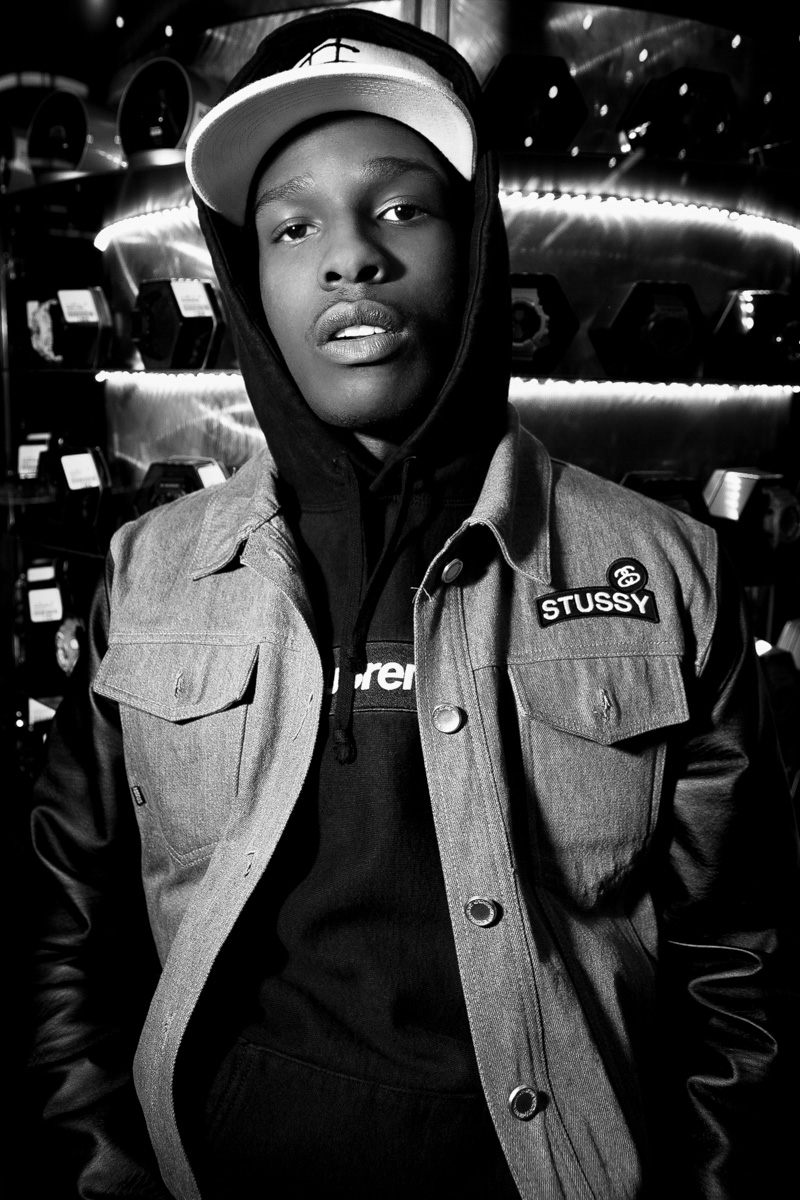
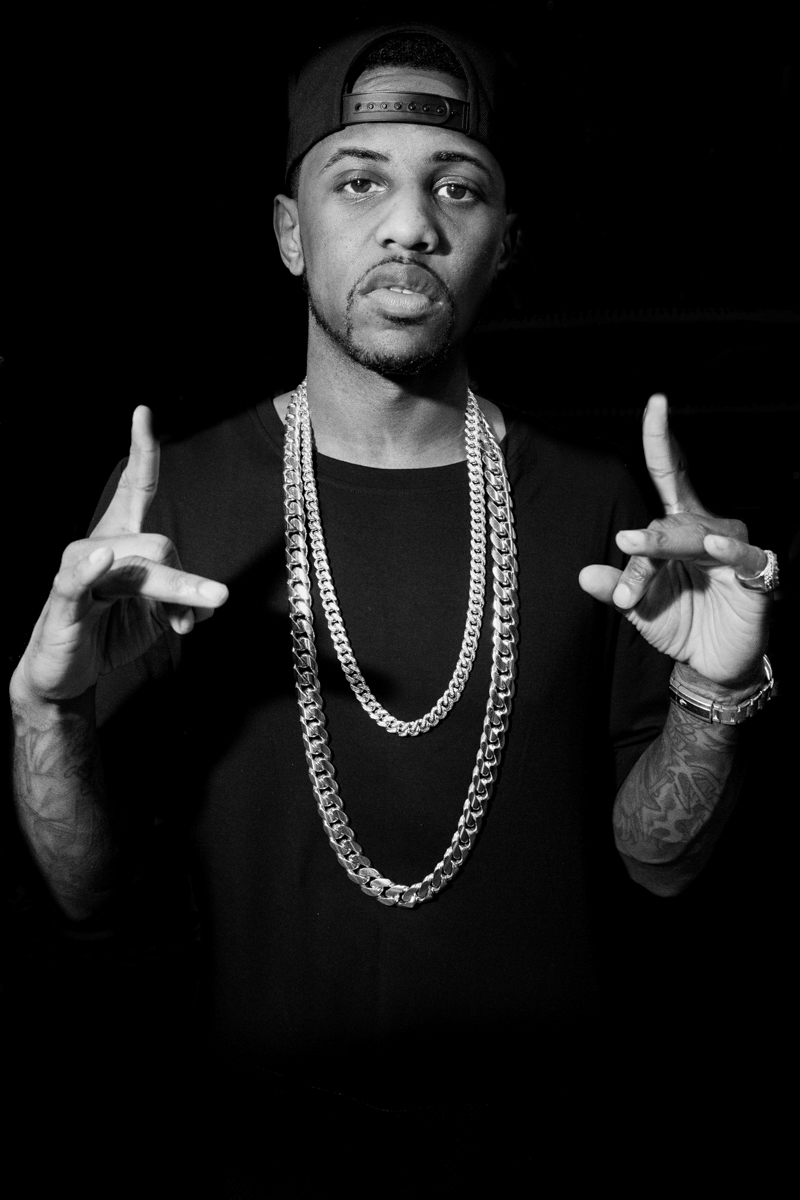
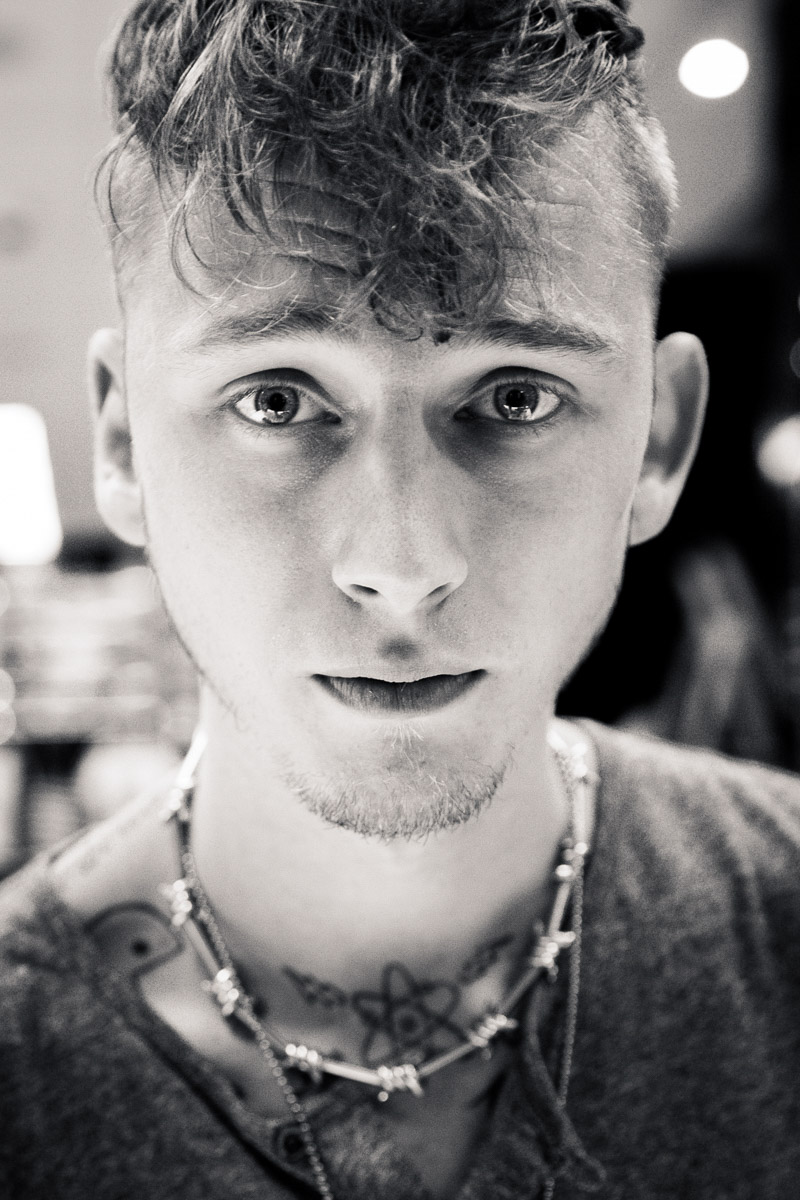
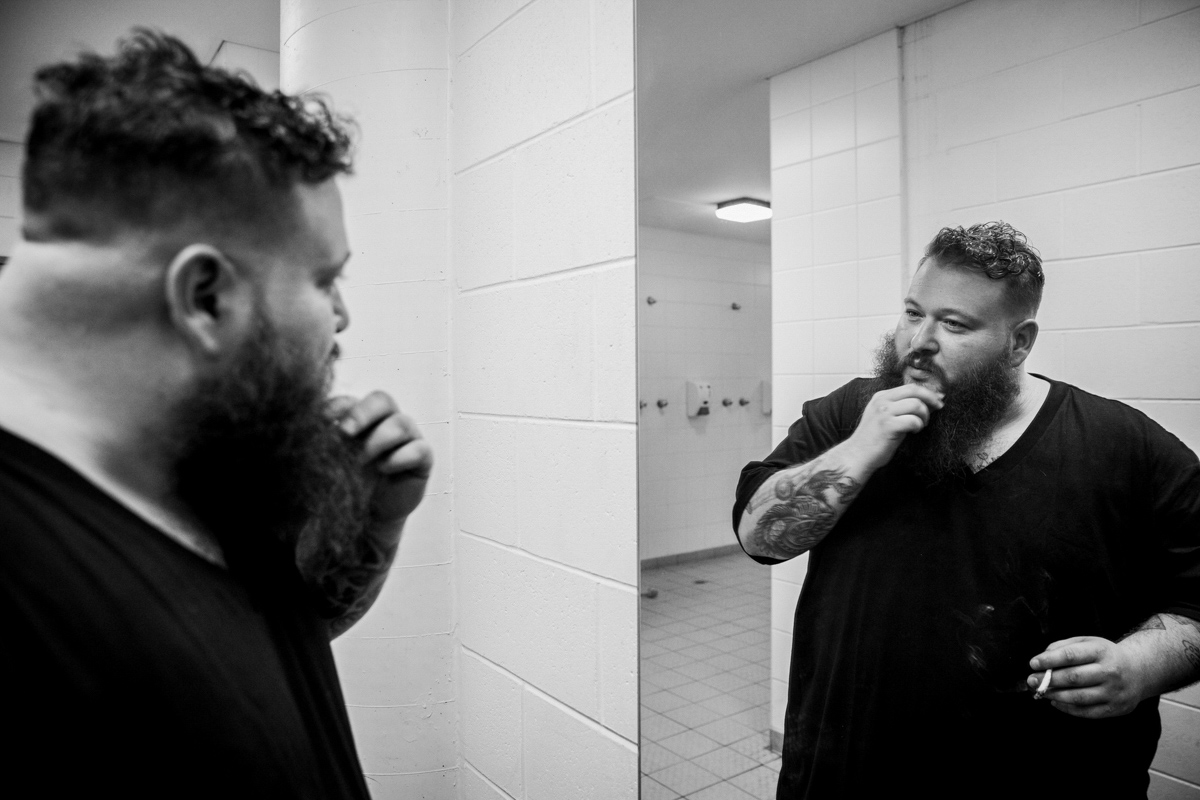
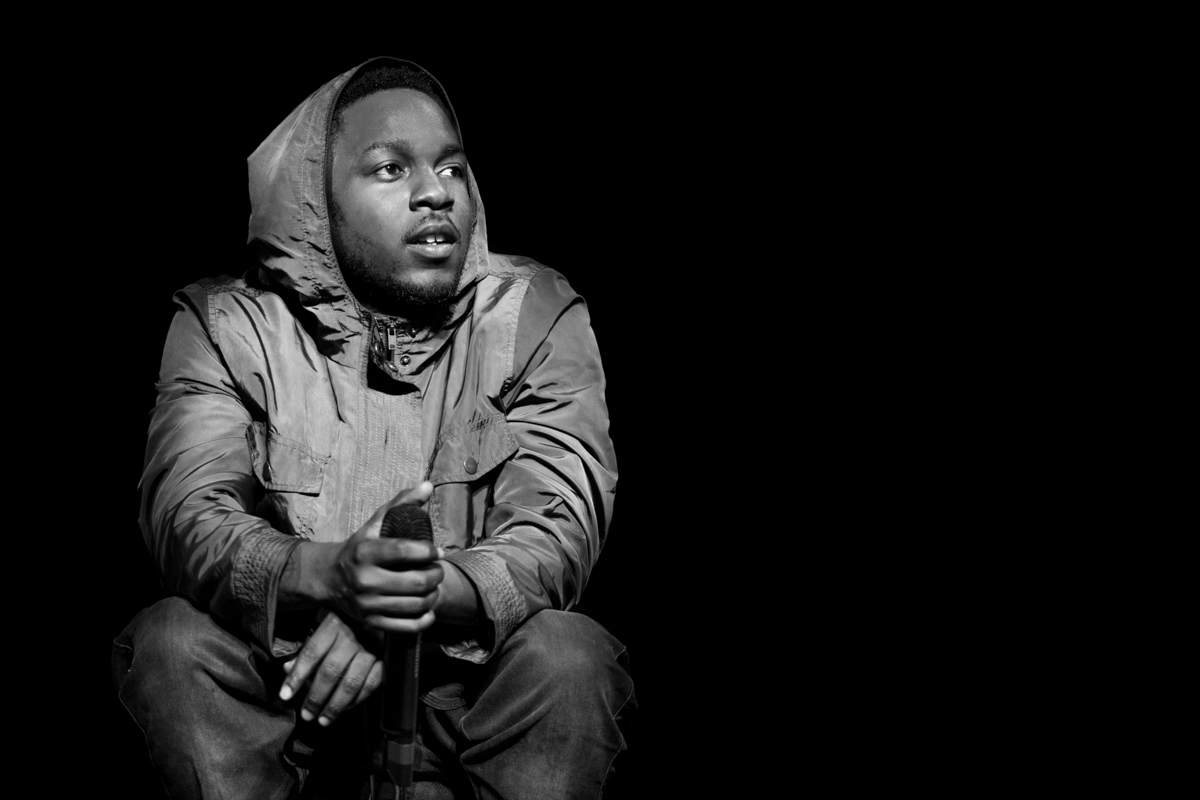
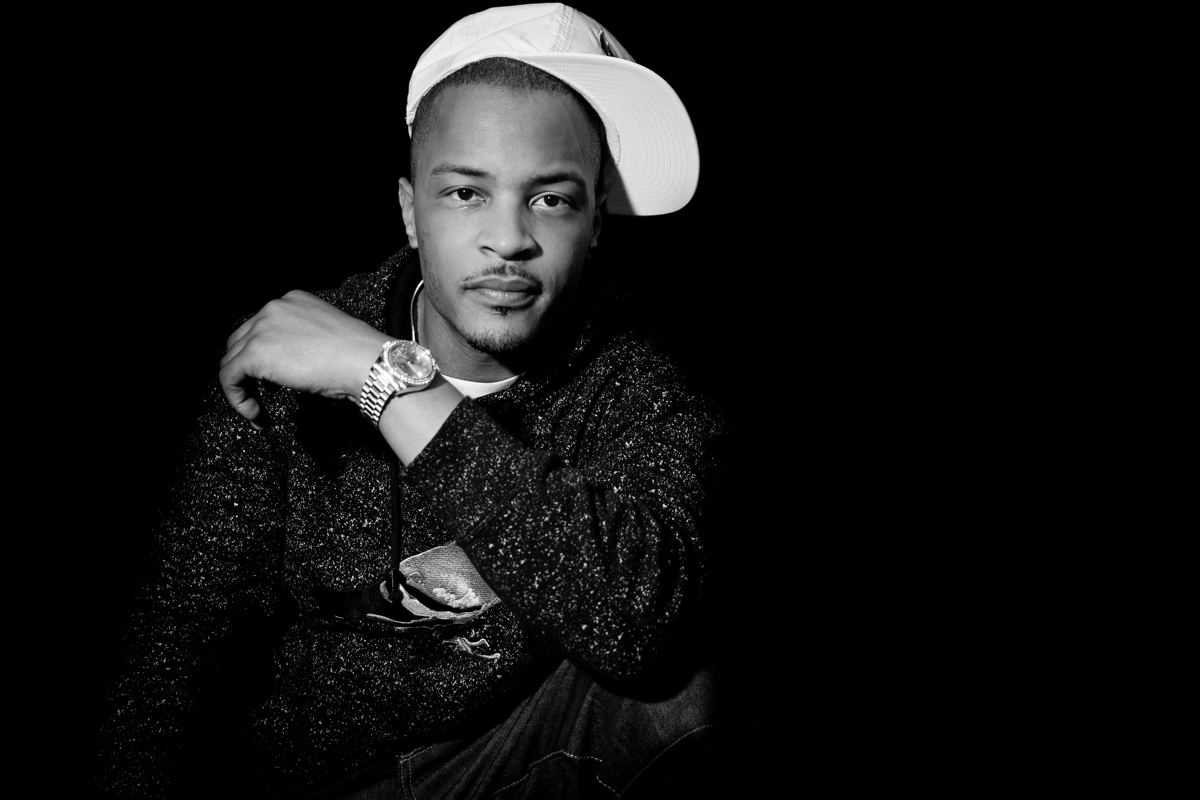
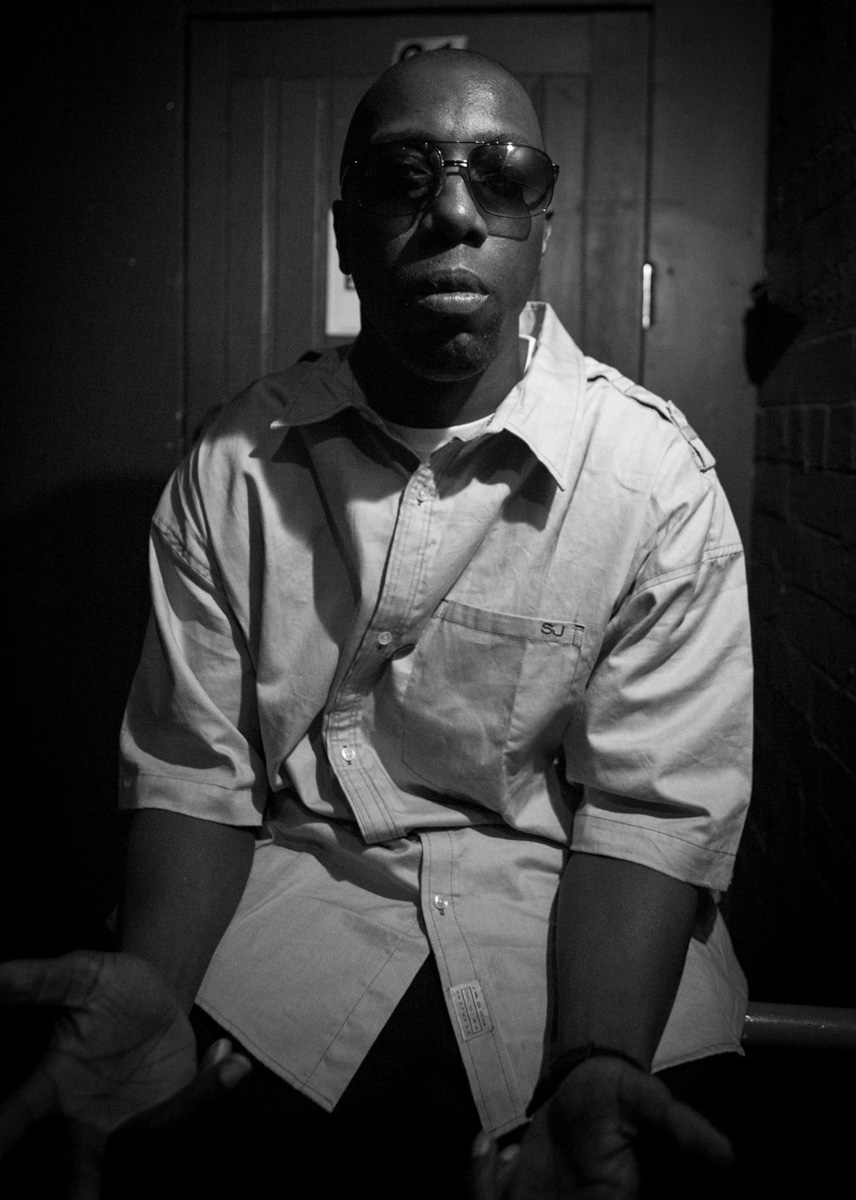
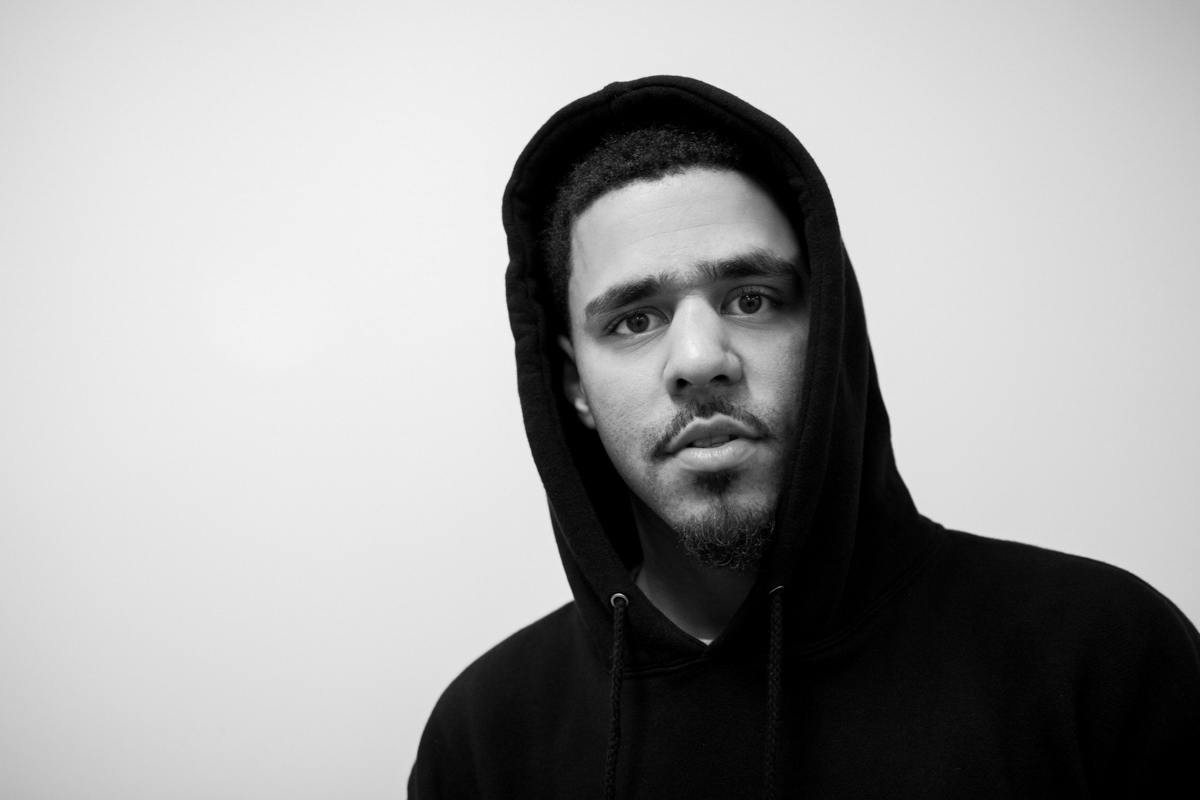
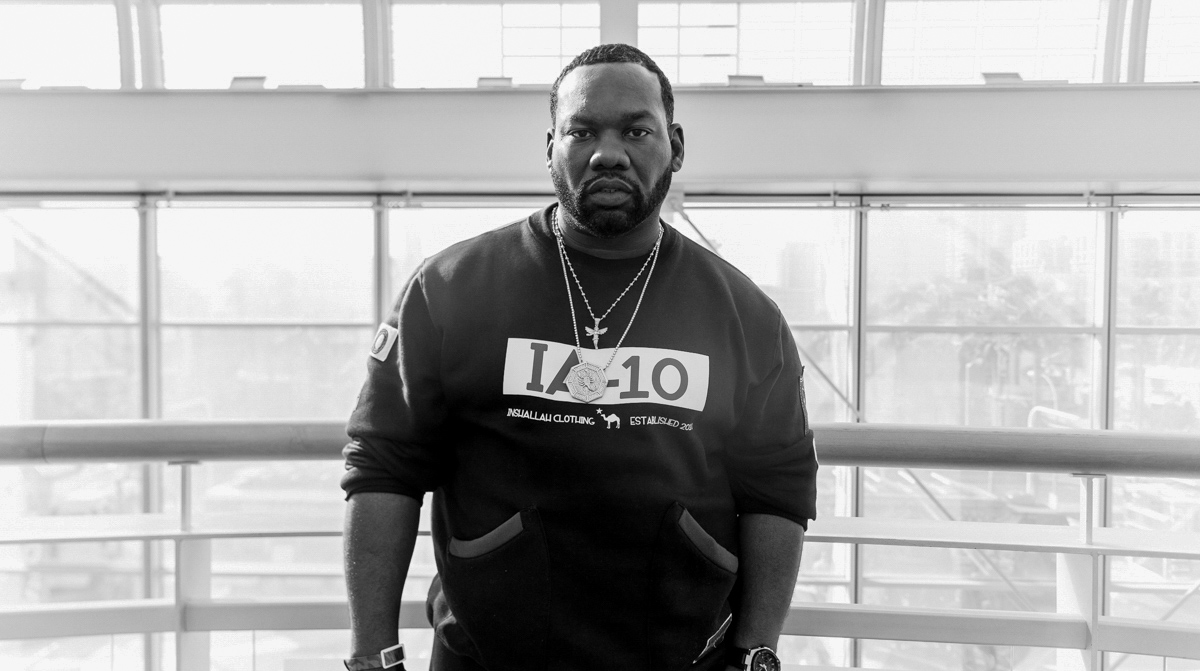
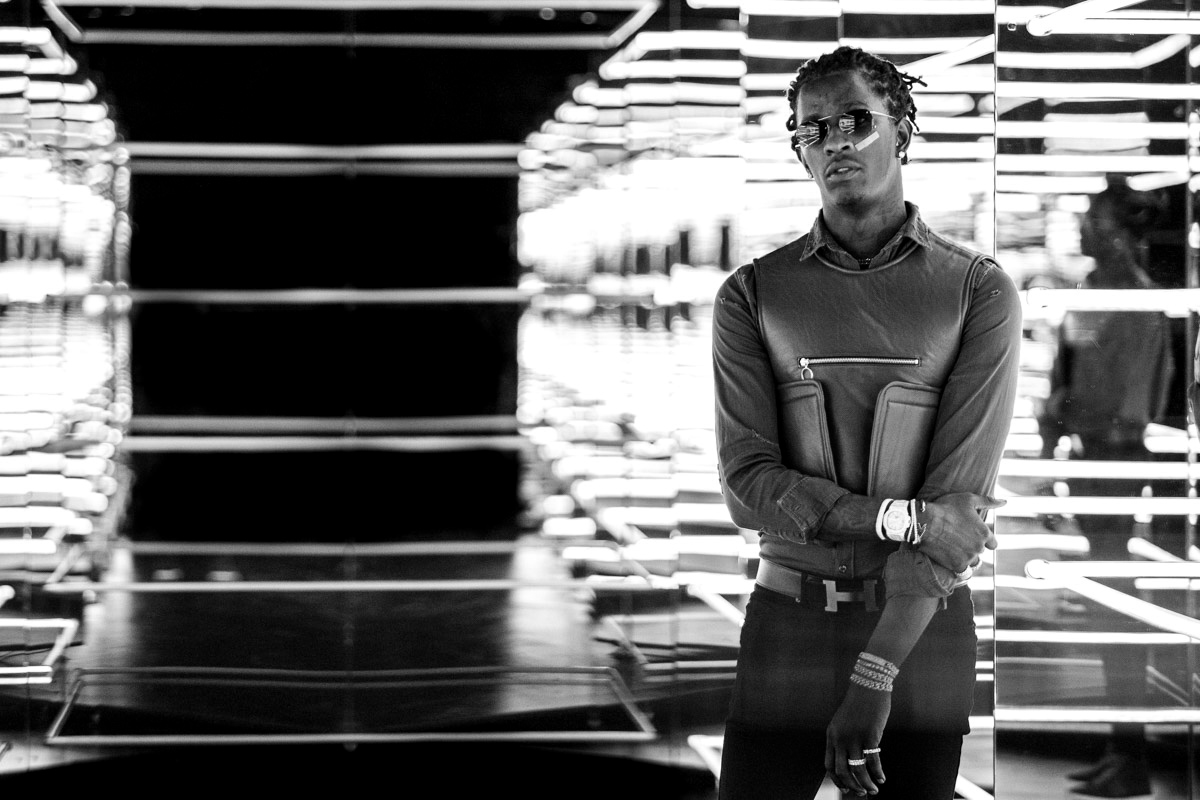
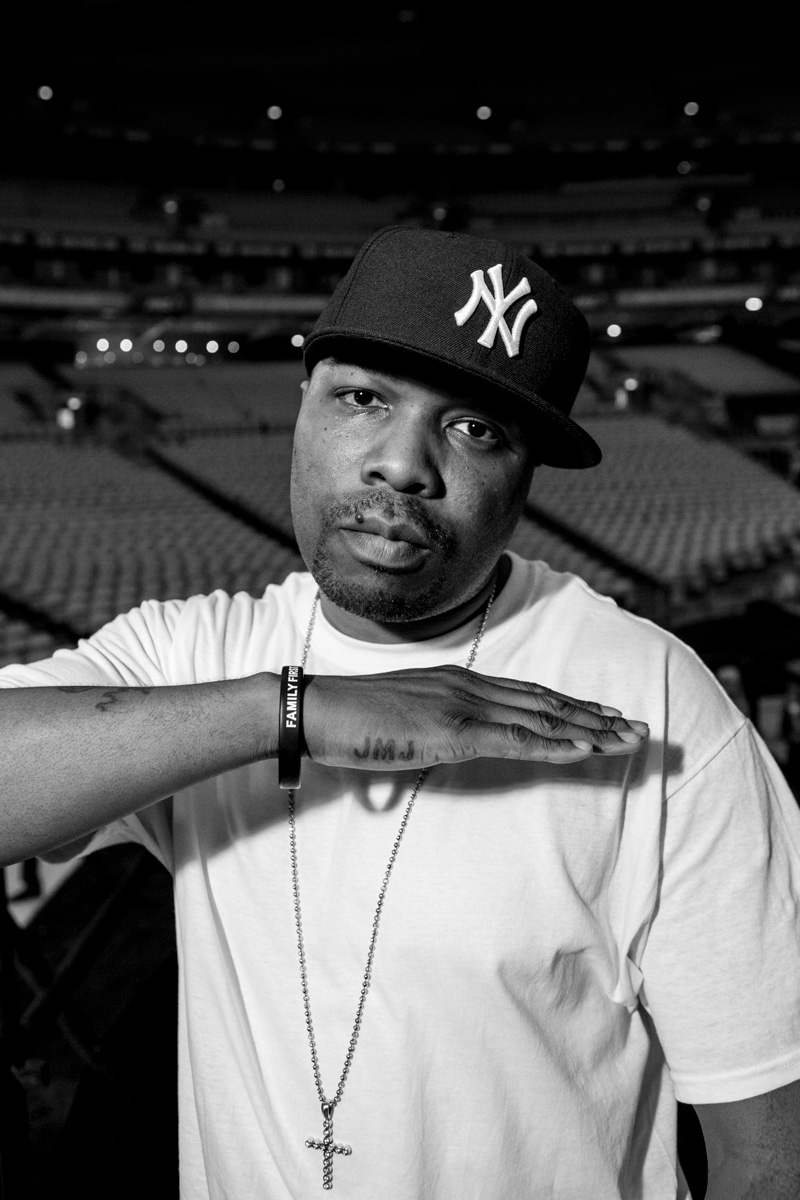
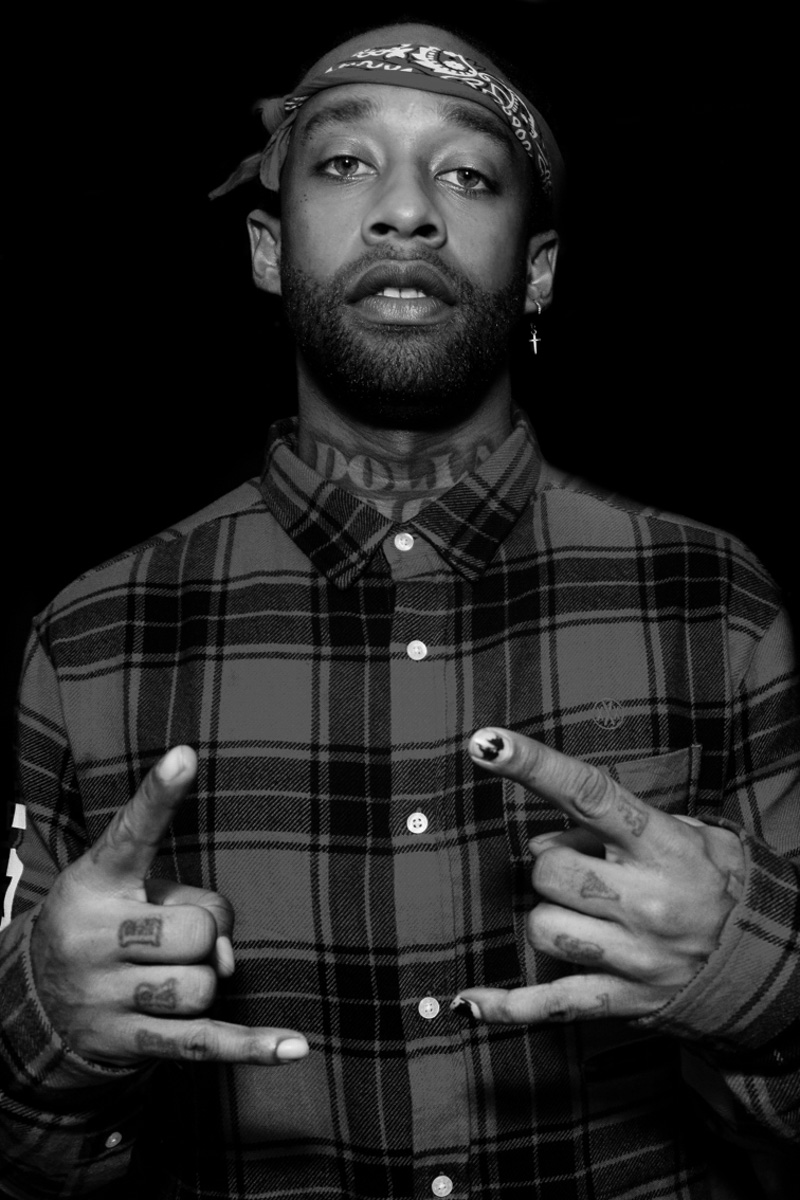
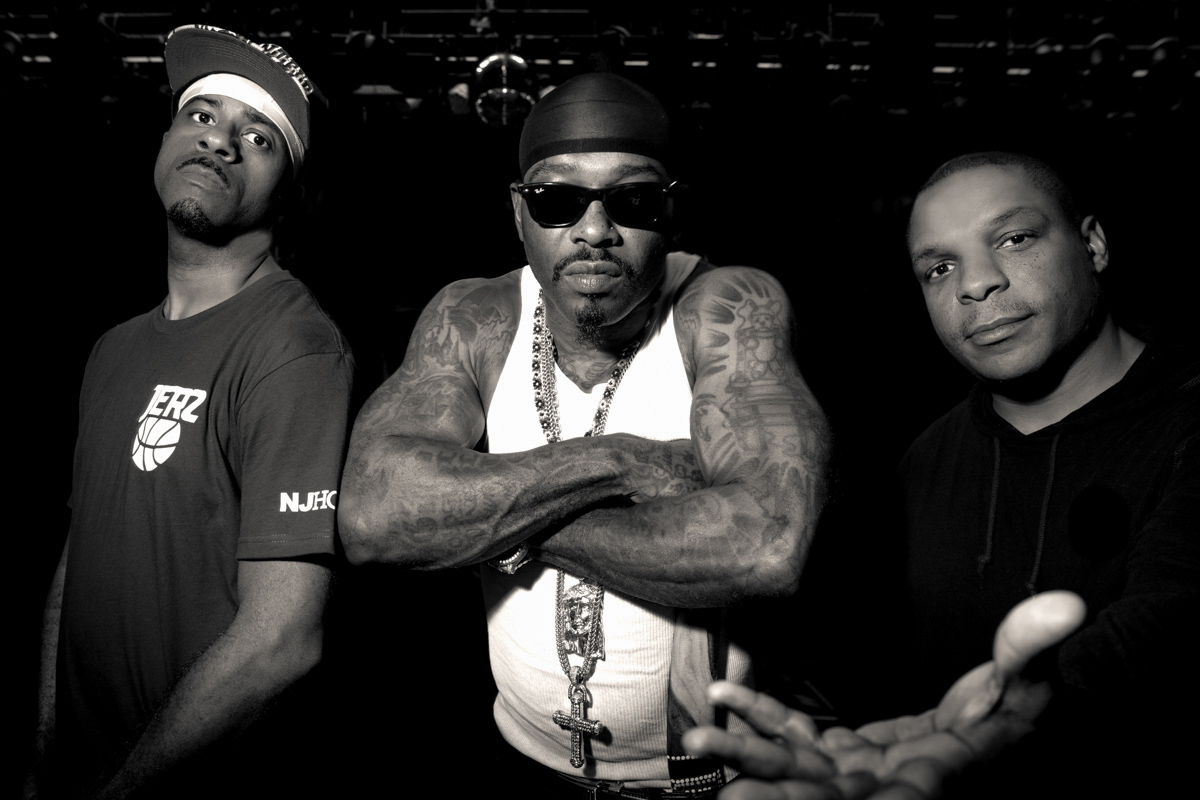
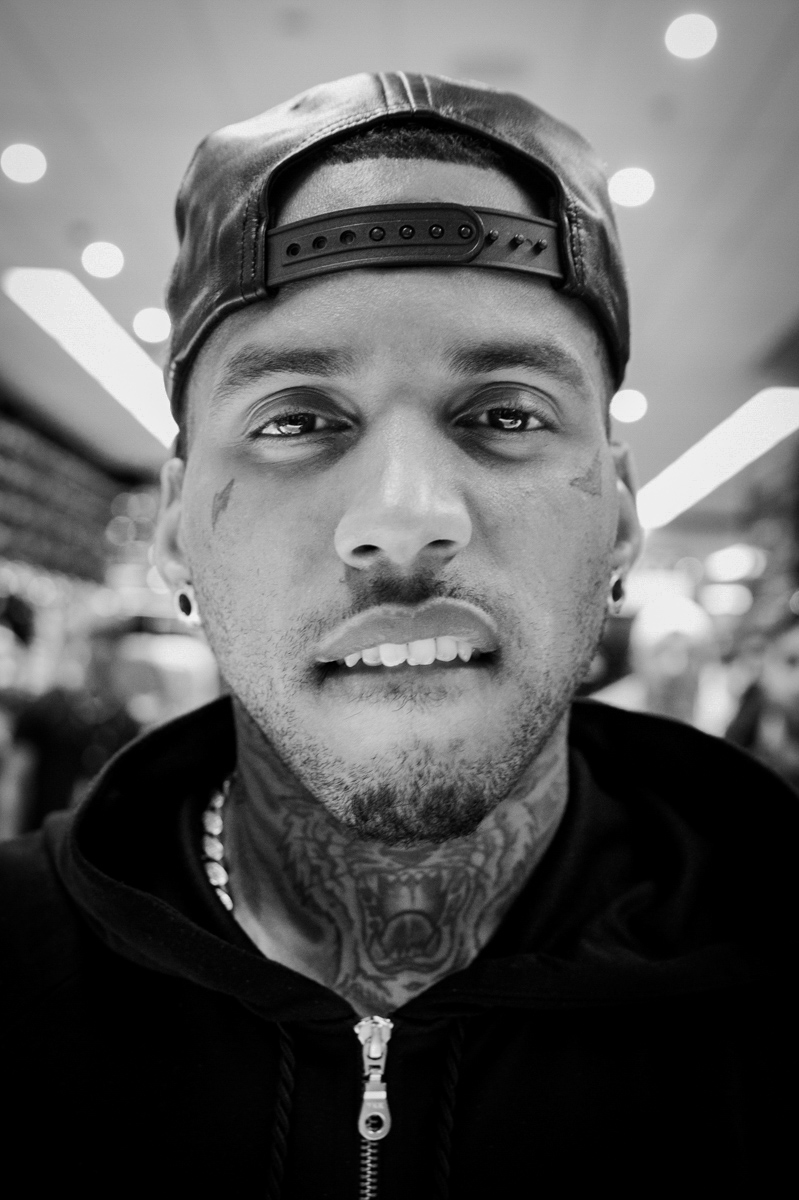
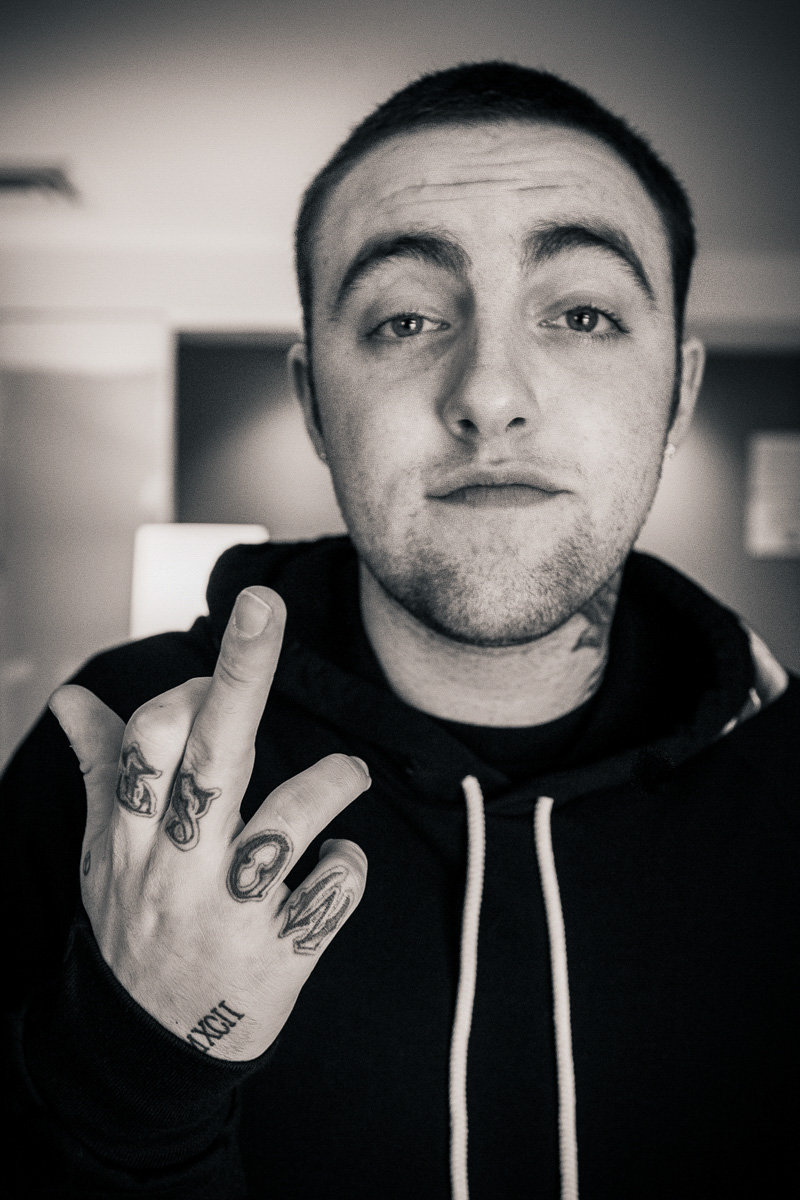
A small selection of portraits from a long term passion project, exploring the various artists associated with Hip Hop music from the country of its birth, The United States of America. A constant work in progress that began in 2009 and is ever evolving and a great visual timeline of my story.
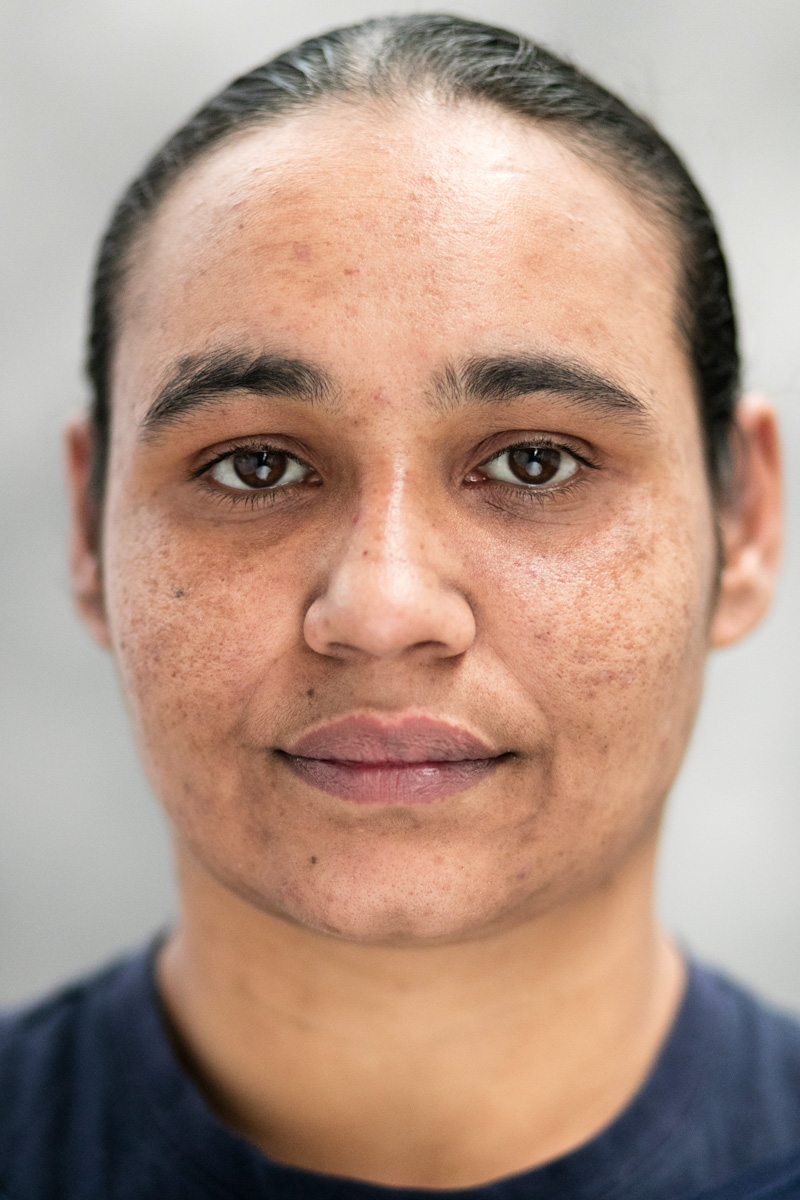
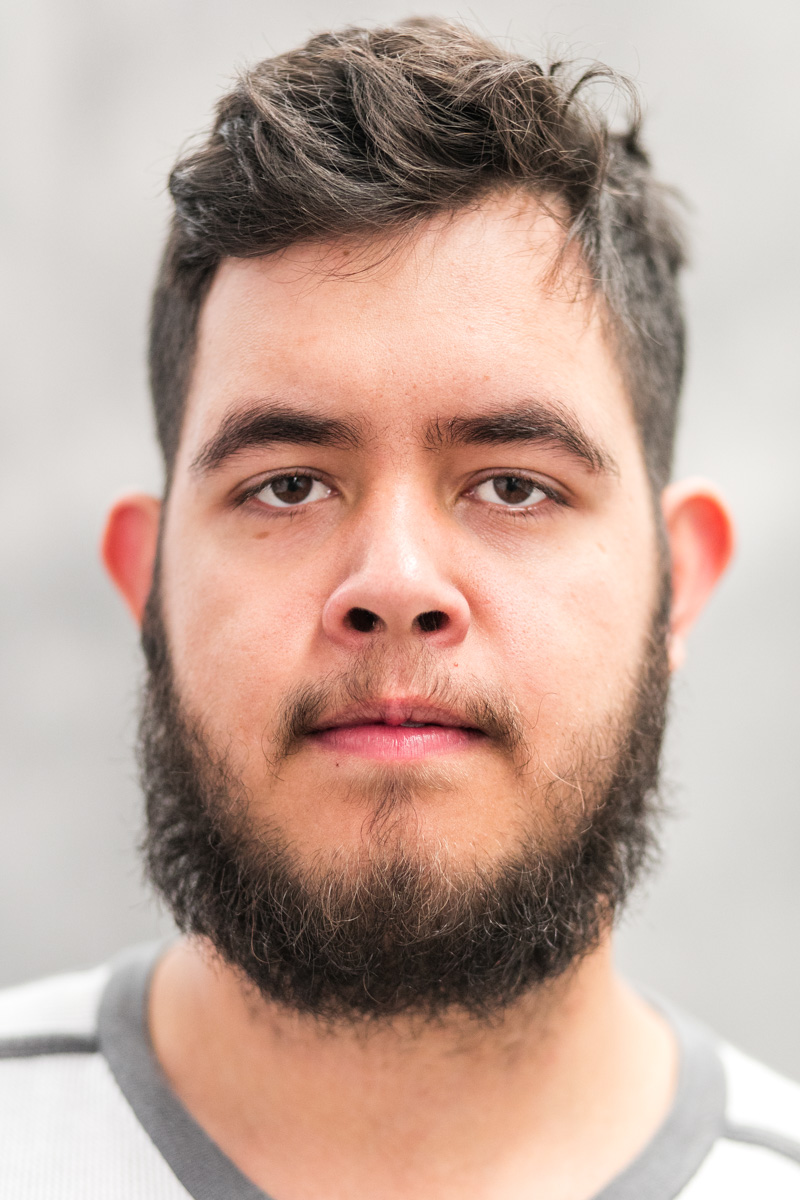
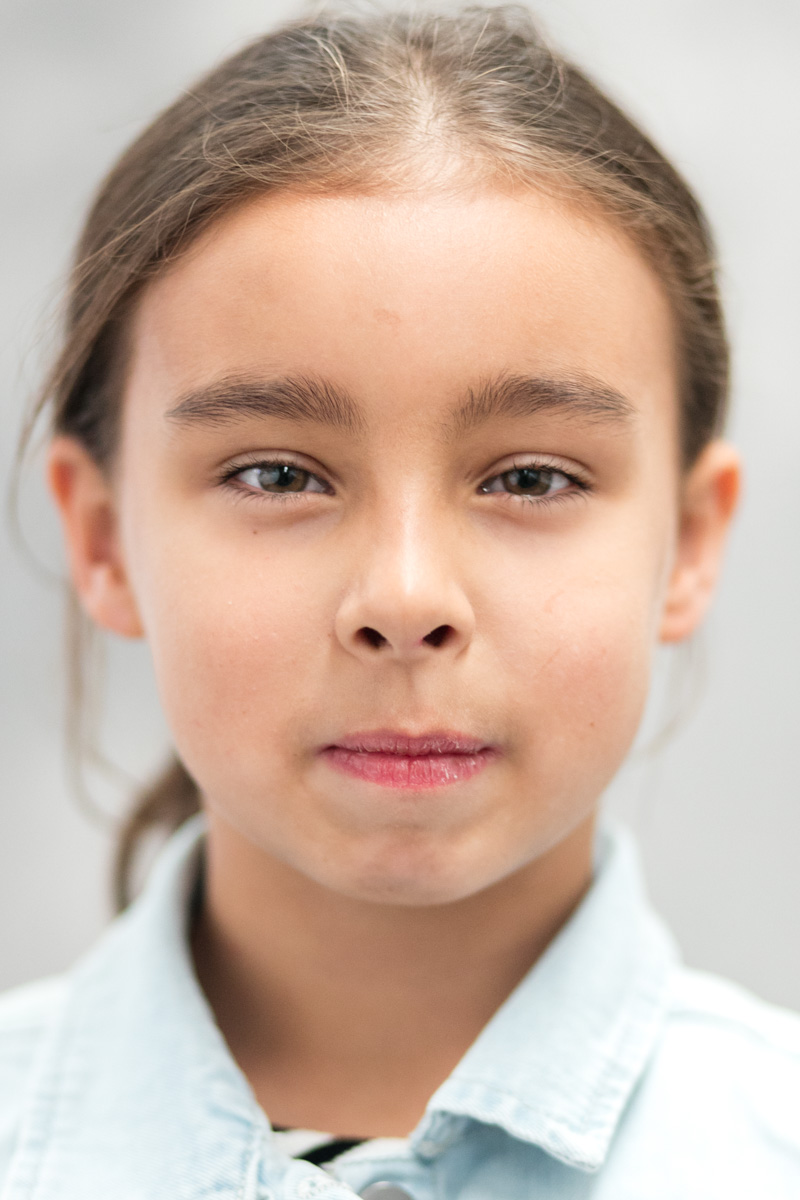
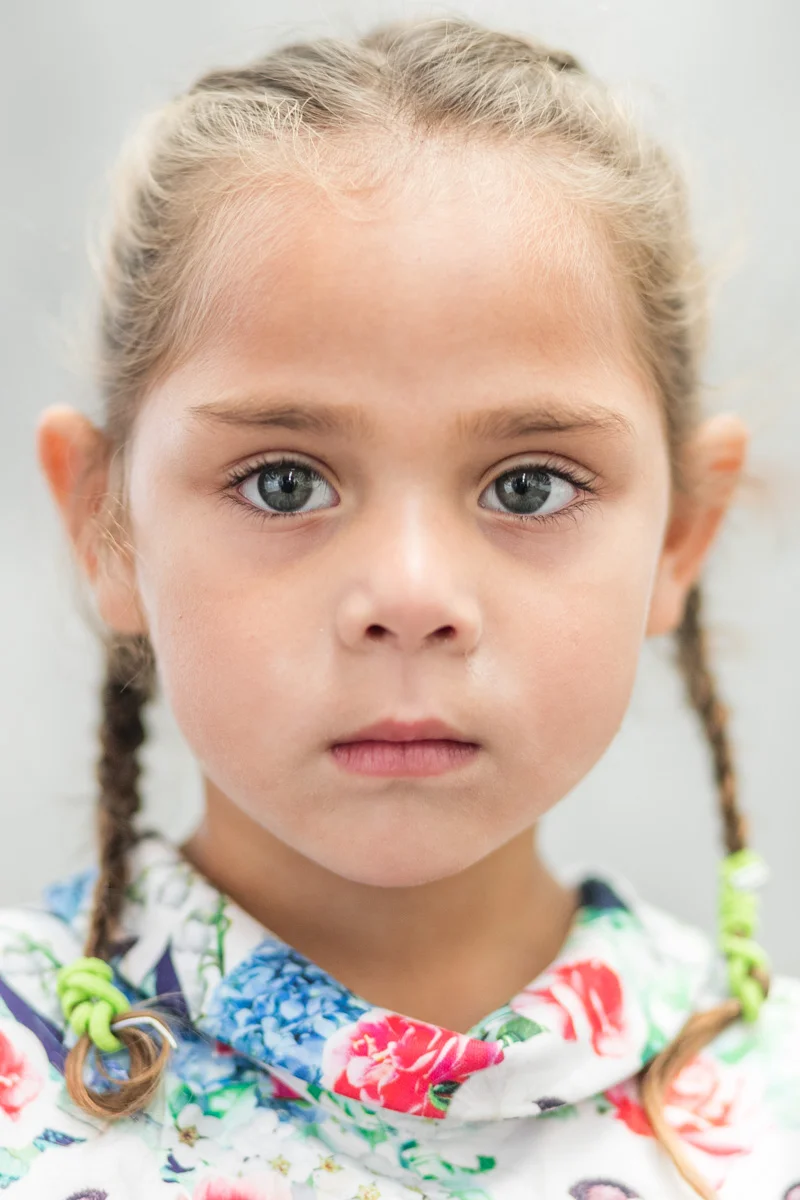
Stories of Lived Experience
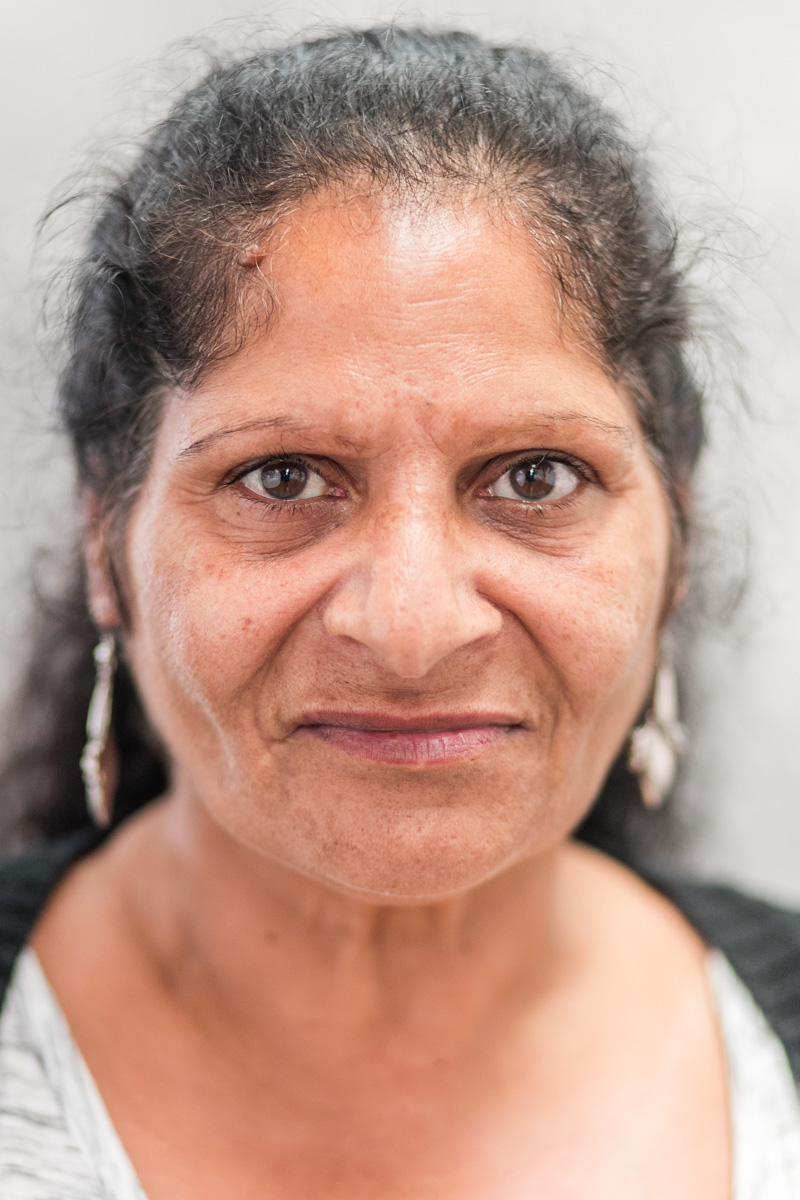
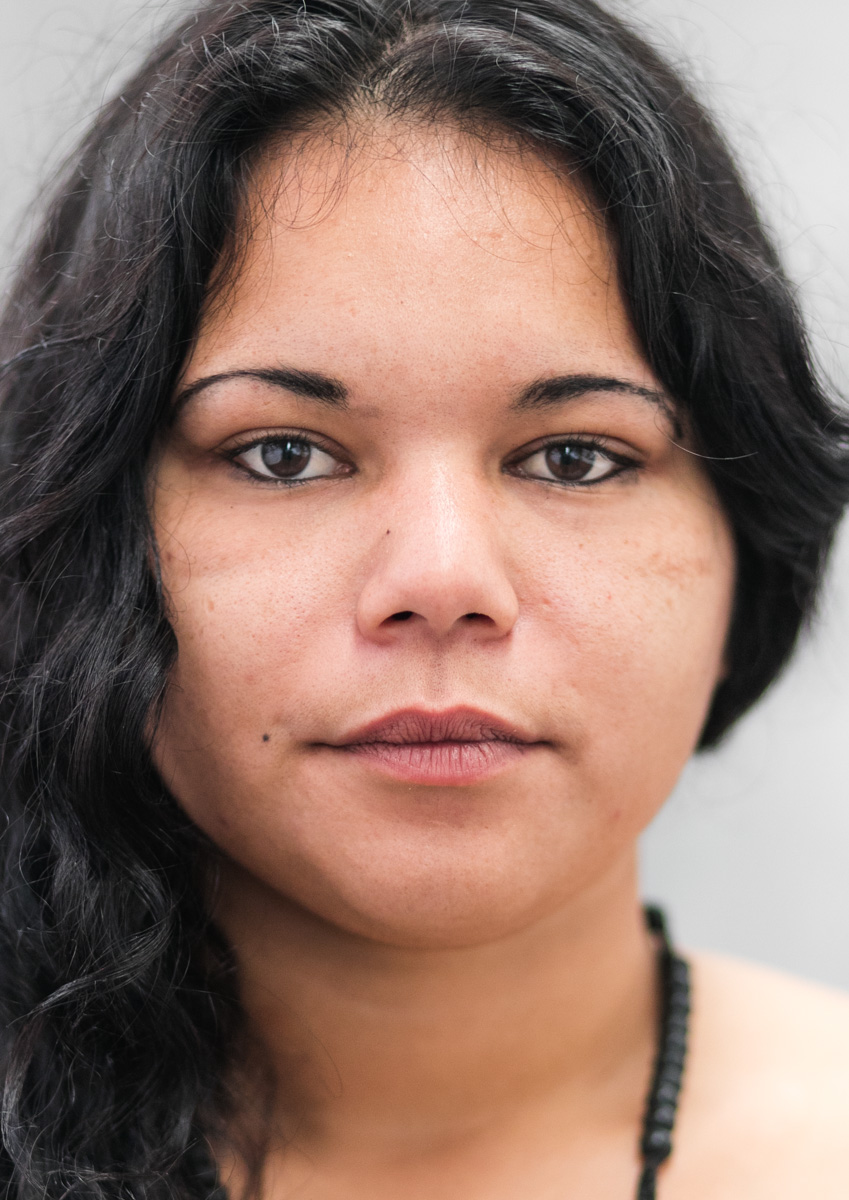
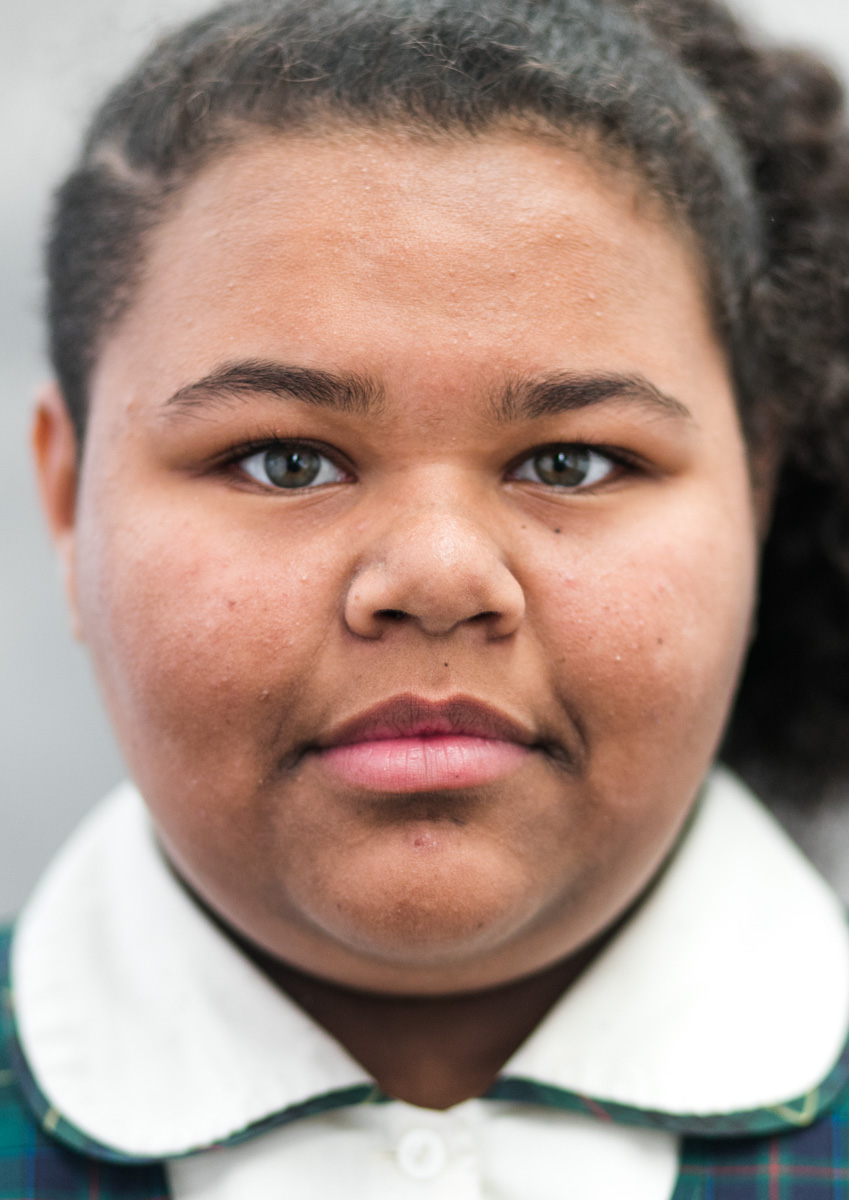
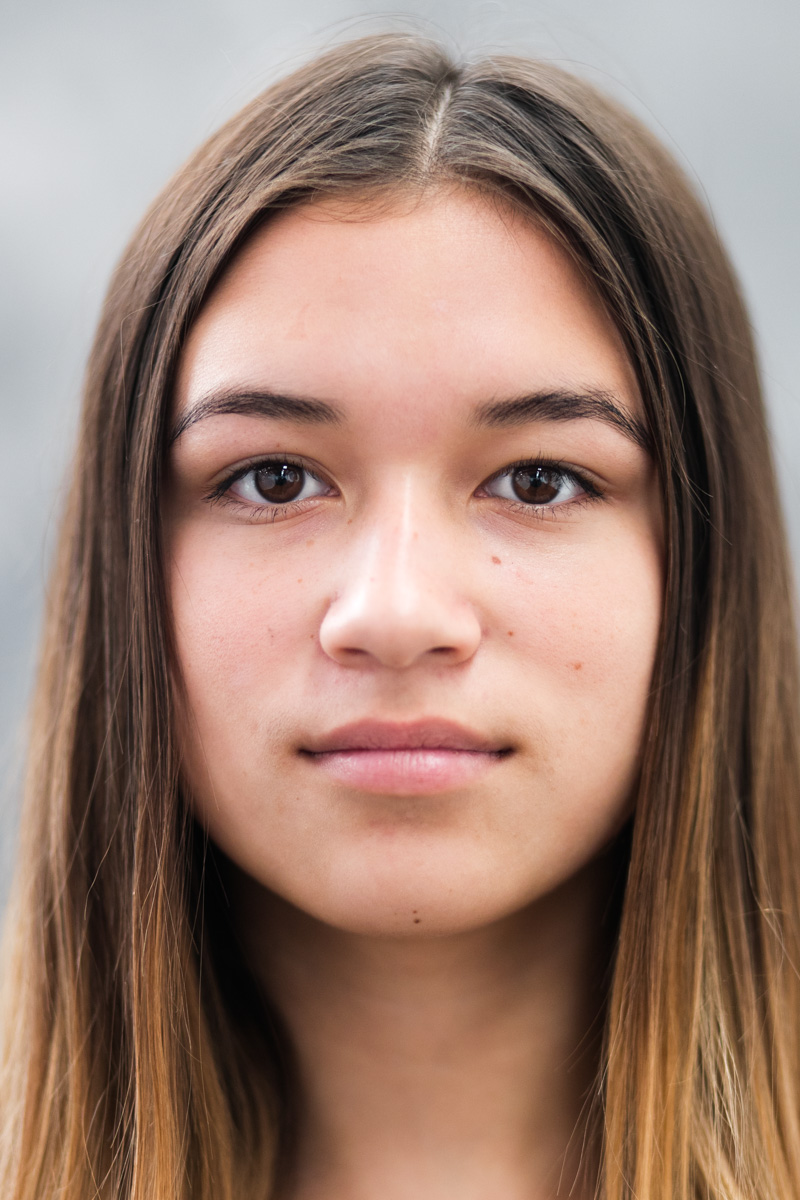
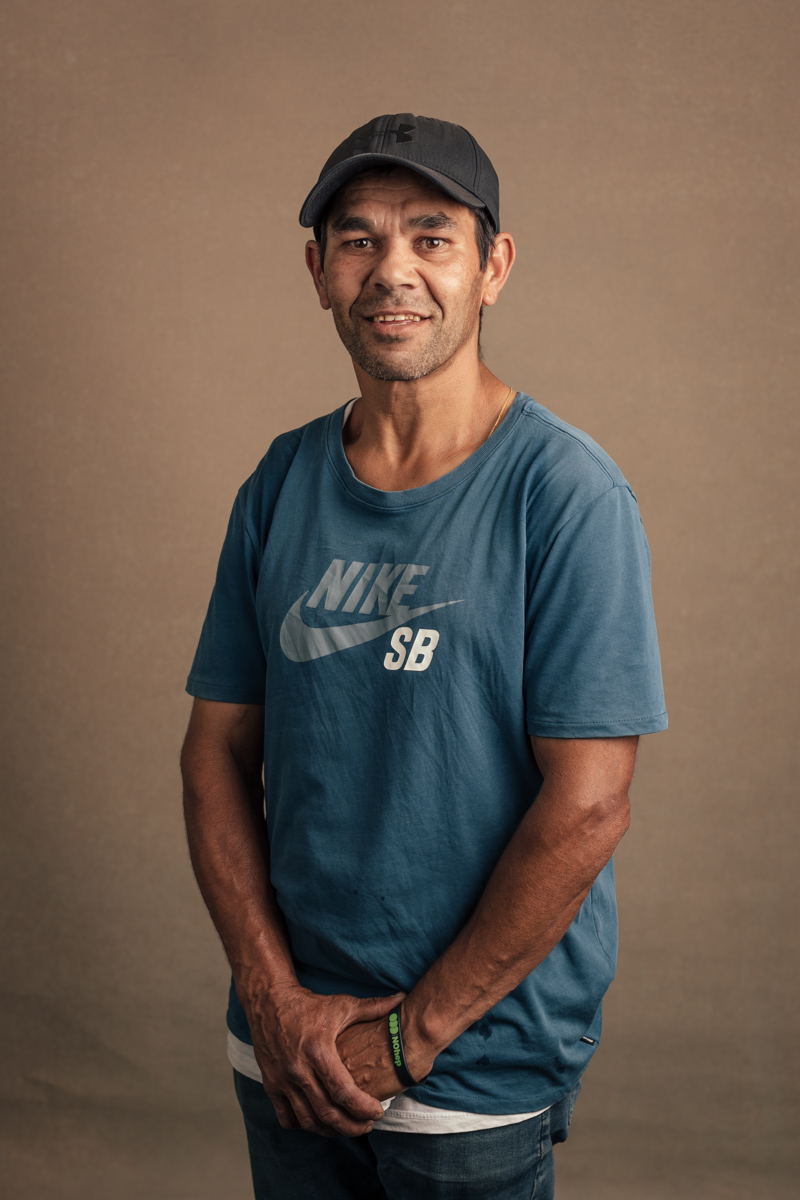
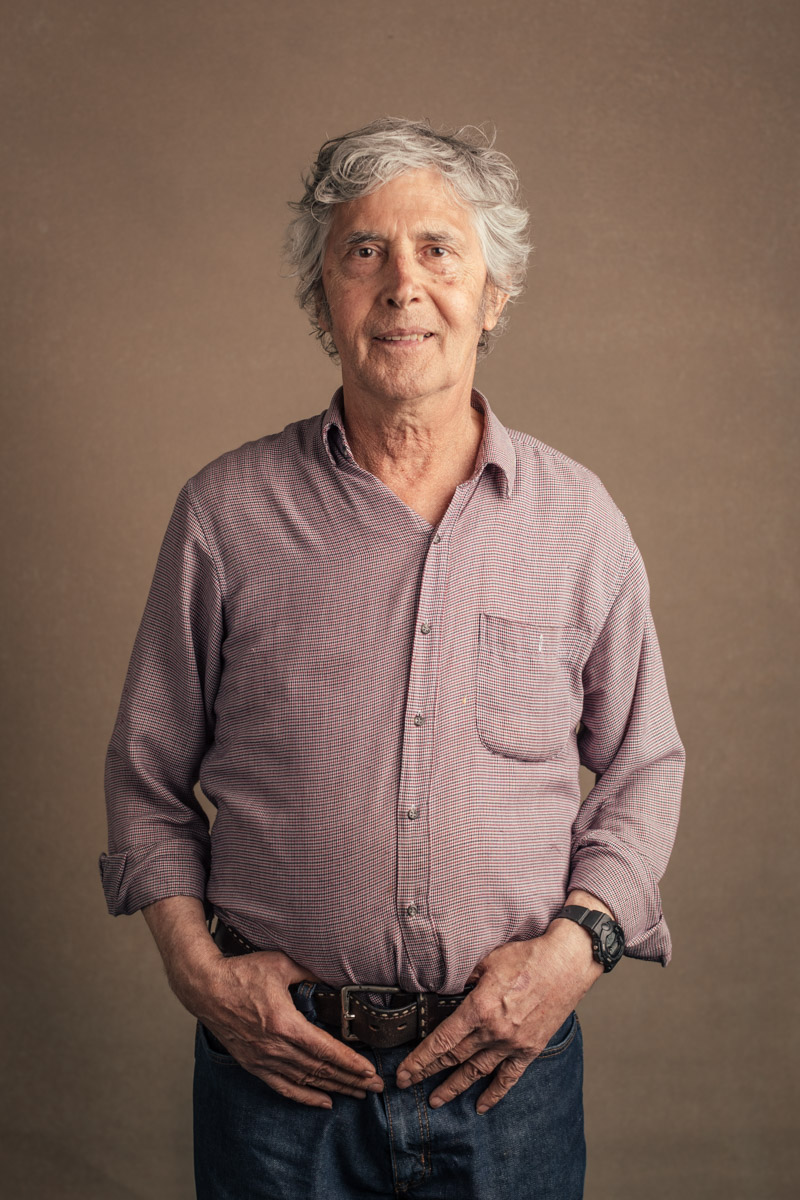
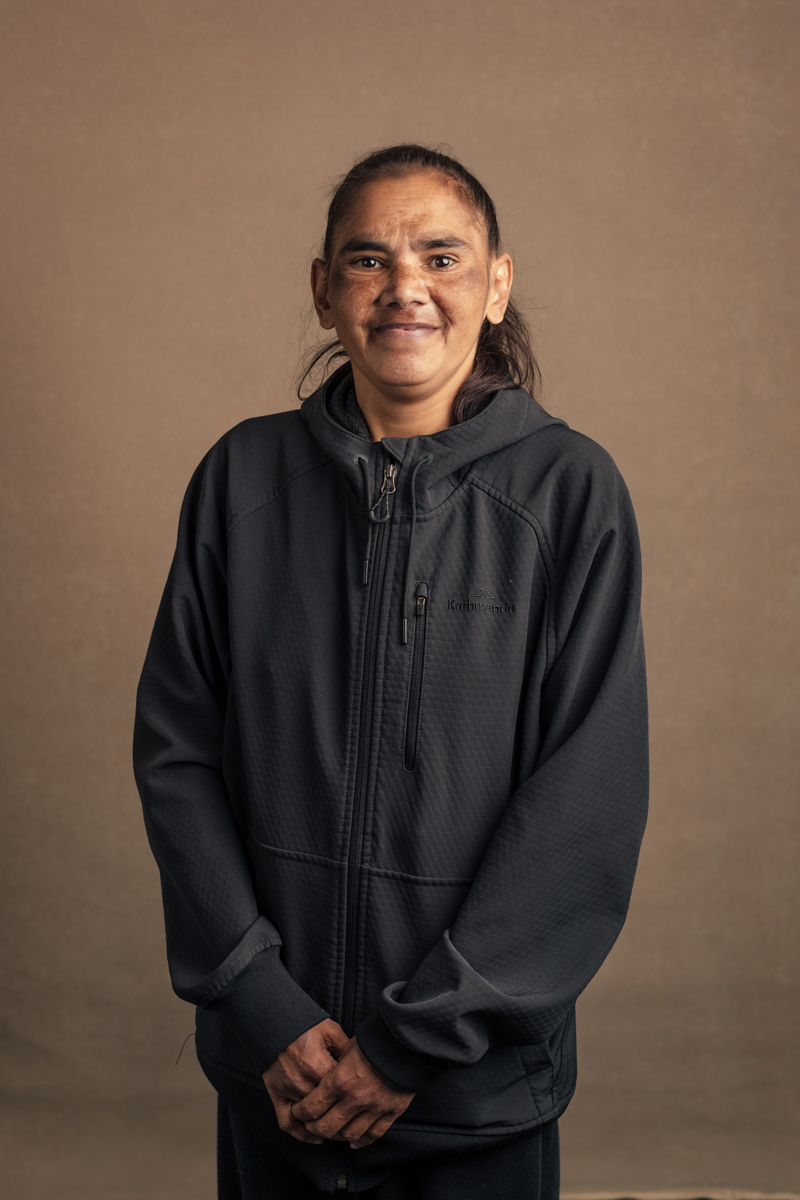
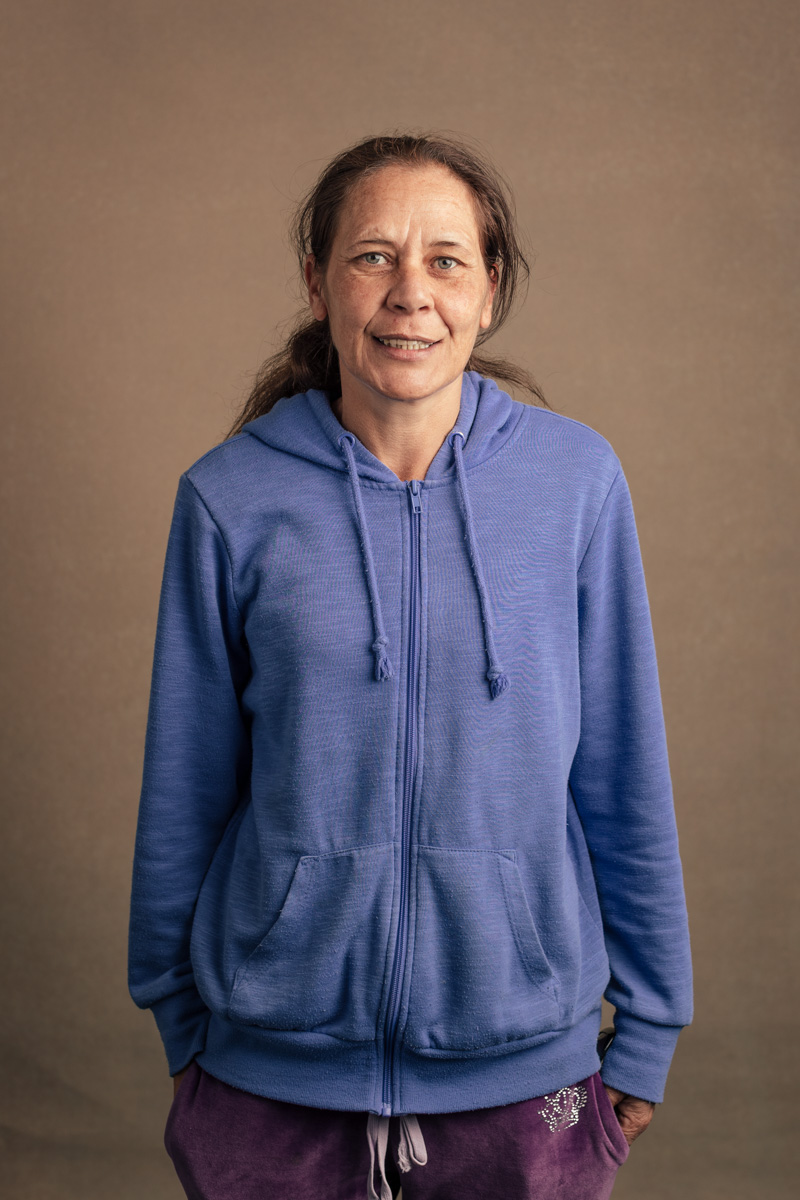
This project was part of a community consultation with Weave Youth & Community Services. Weave is a non-profit community organisation that has been working with disadvantaged young people, women and children for over 40 years in Redfern and surrounding areas. ARTD worked with Weave and Aboriginal community organisations to develop a qualitative evaluation involving interviews with Aboriginal and non-Aboriginal clients, community and staff to understand what is most useful about how Weave works; the difference that Weave makes for clients and the community; and how Weave and the sector can improve.
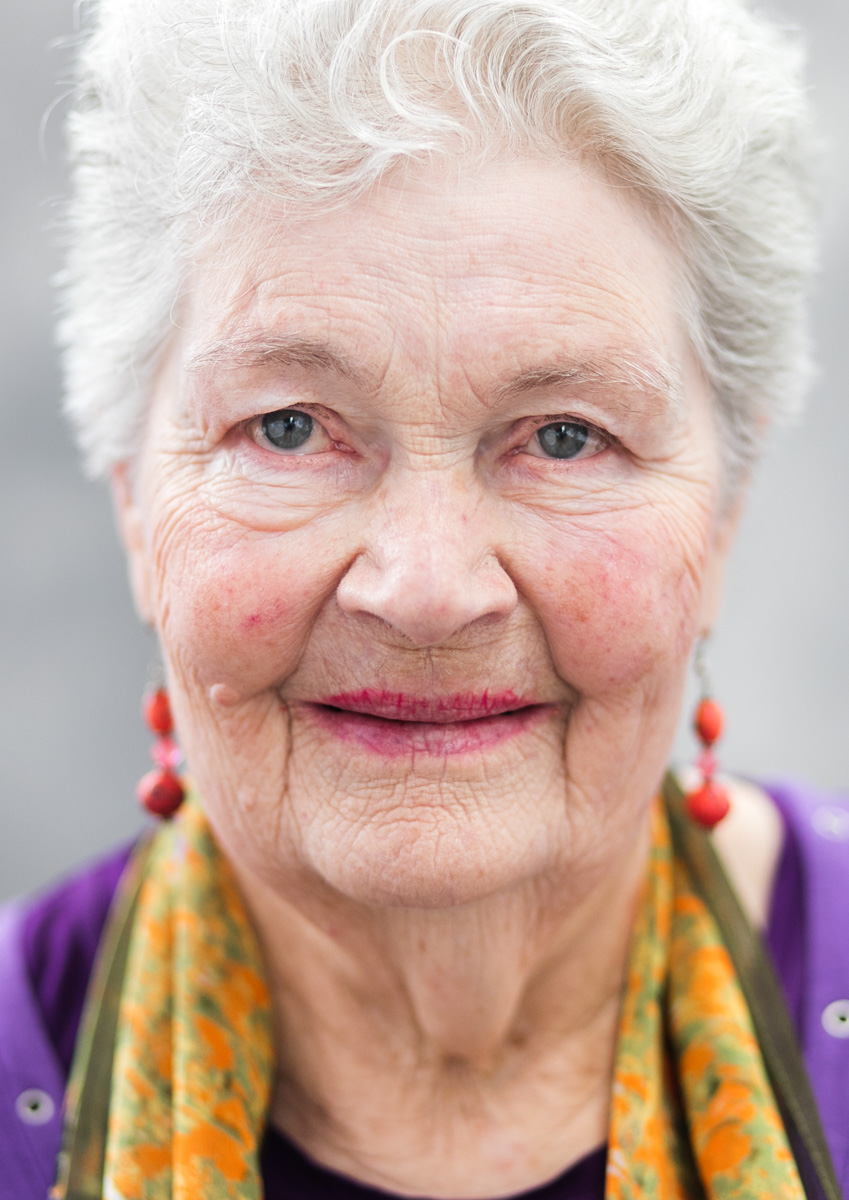
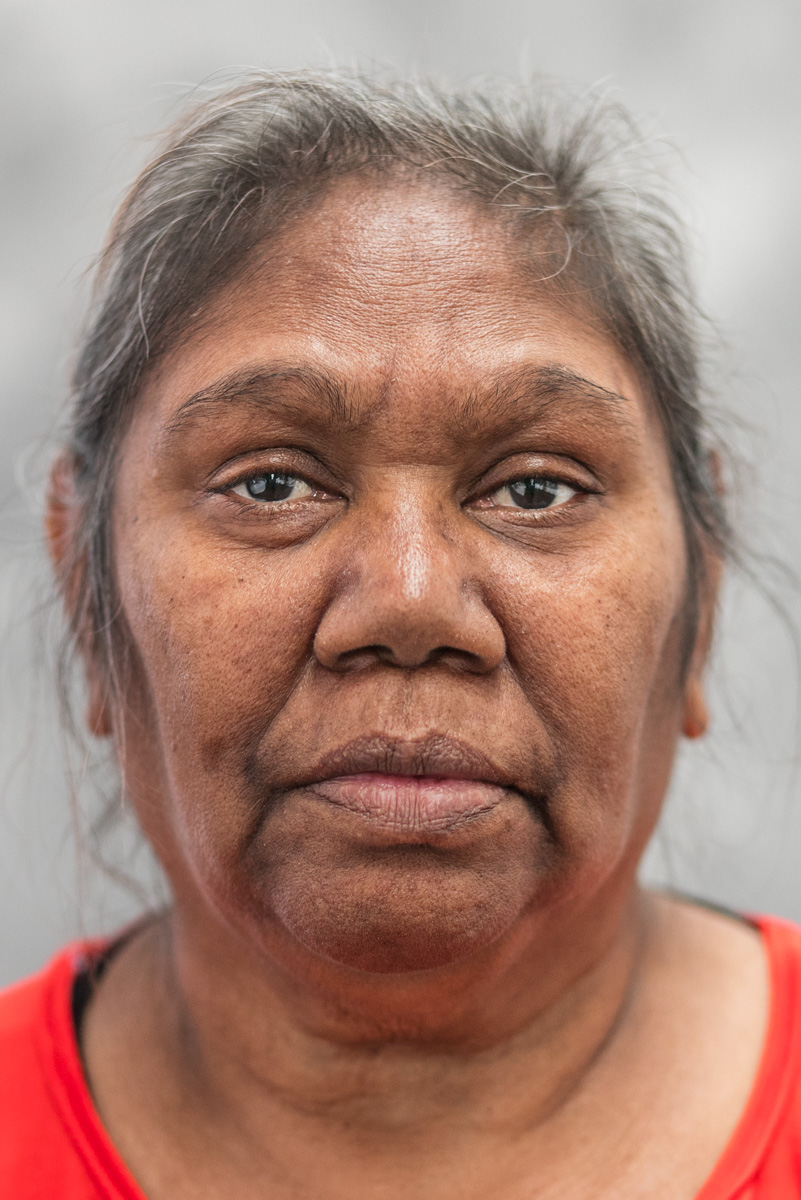
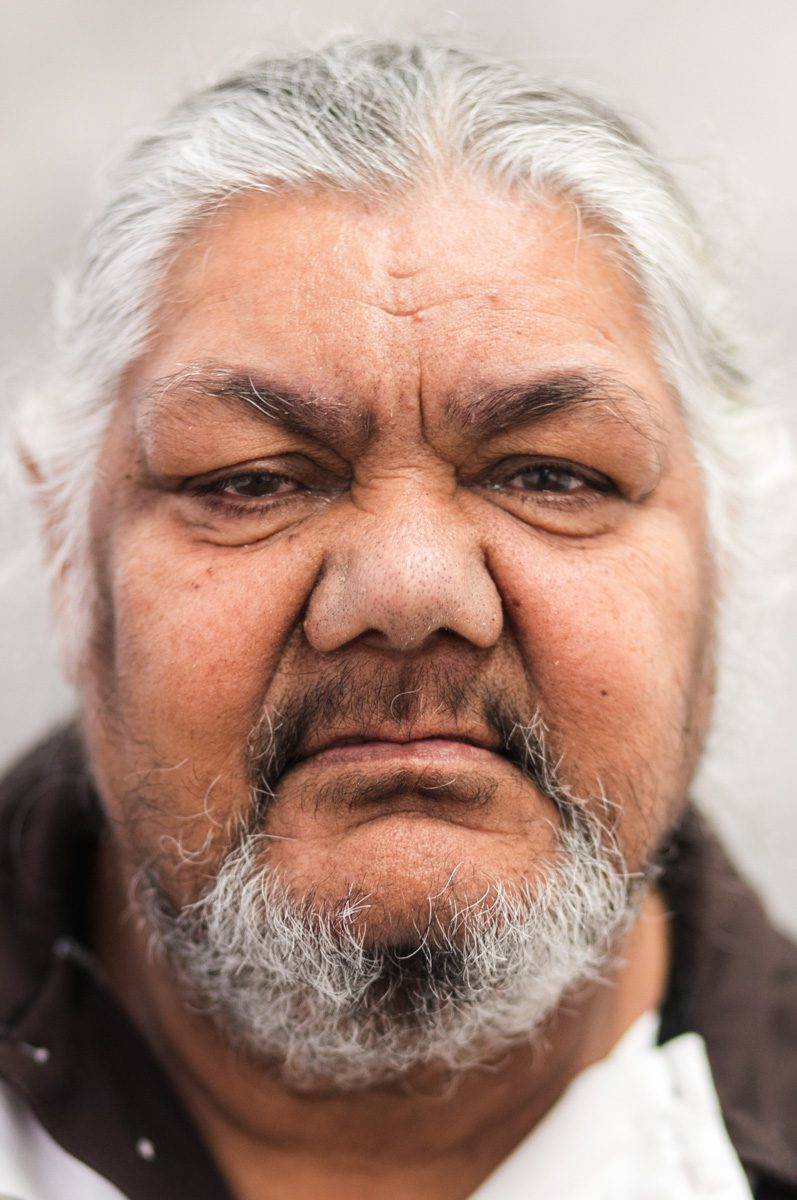
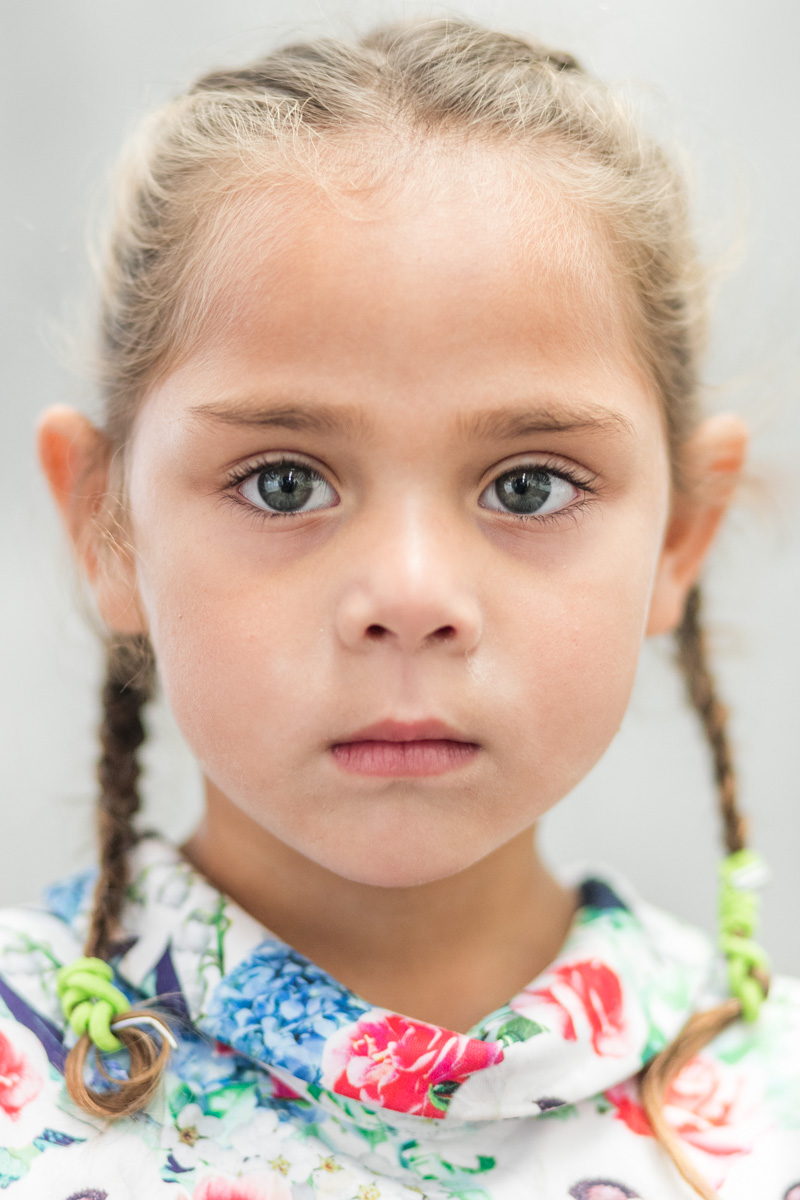
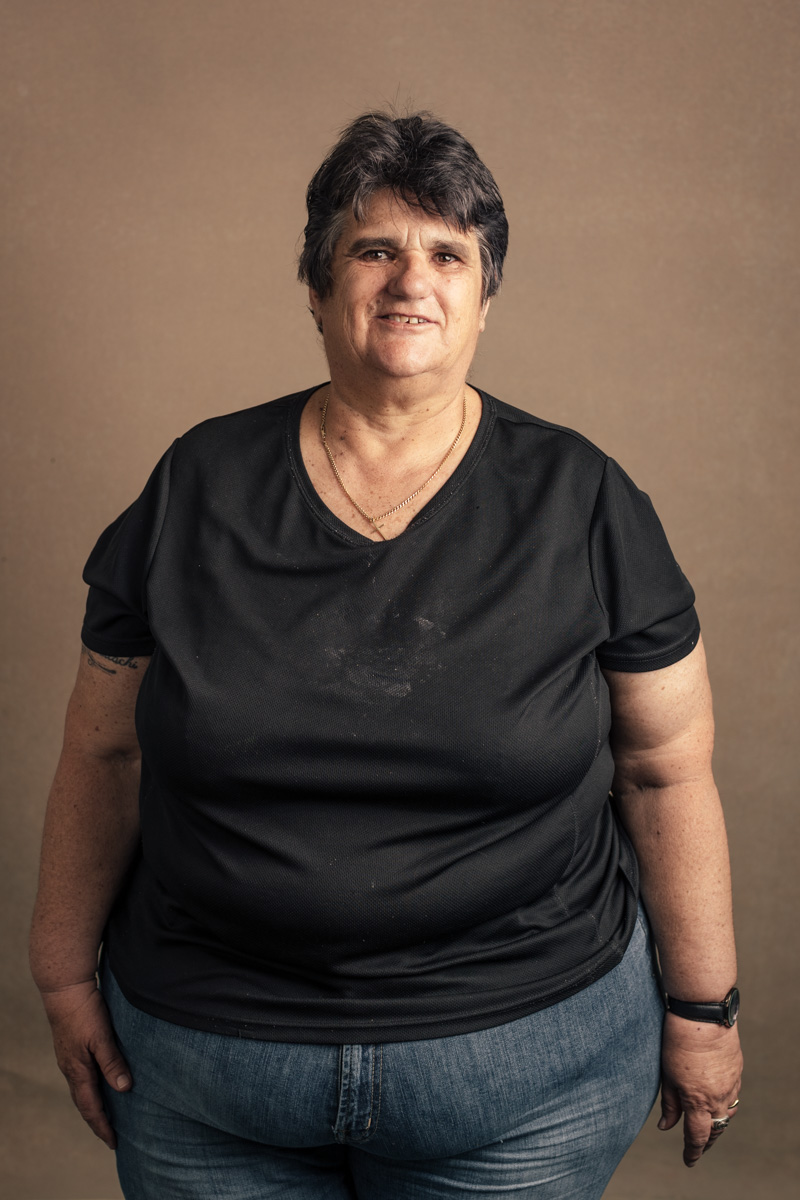
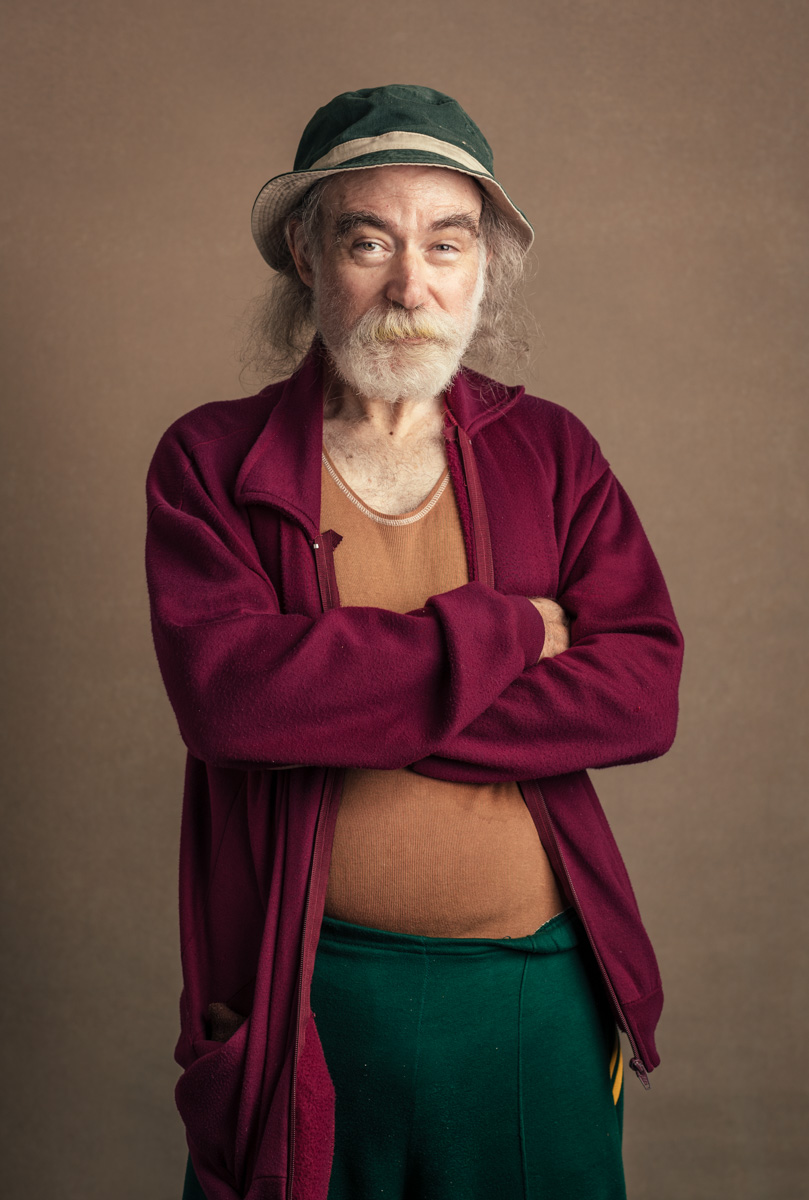
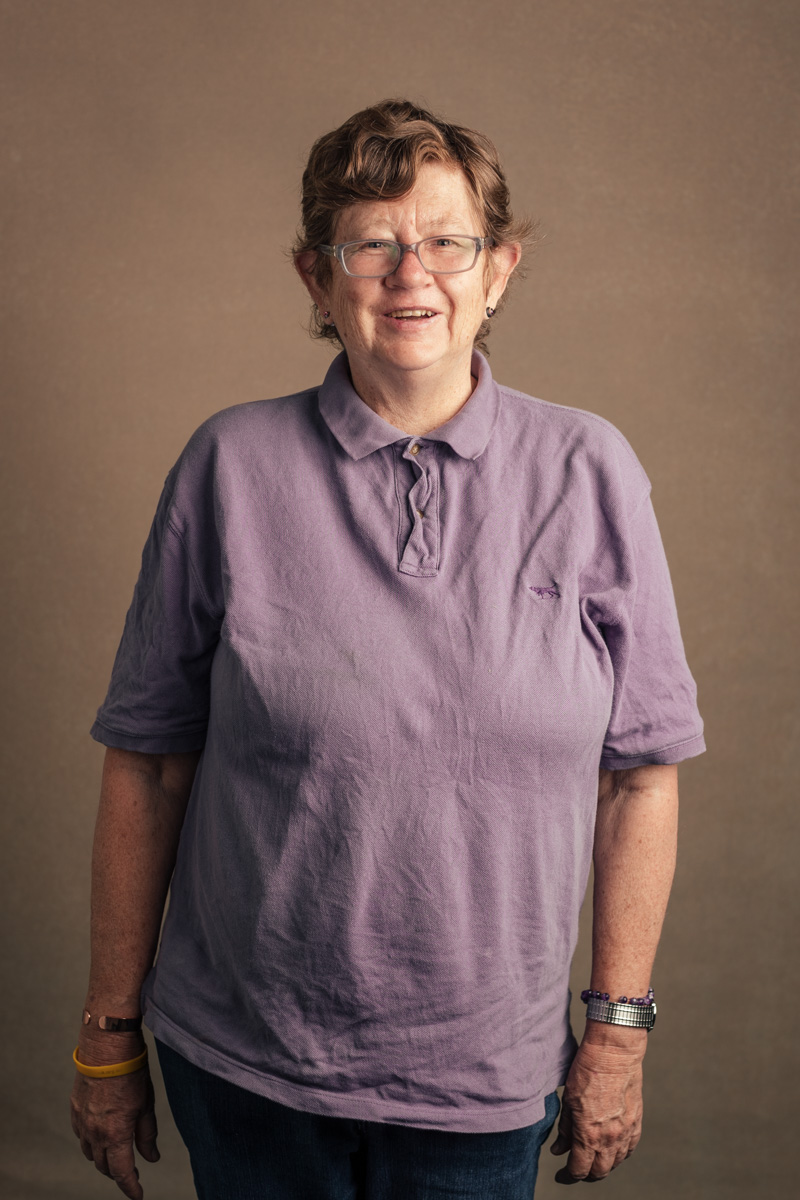
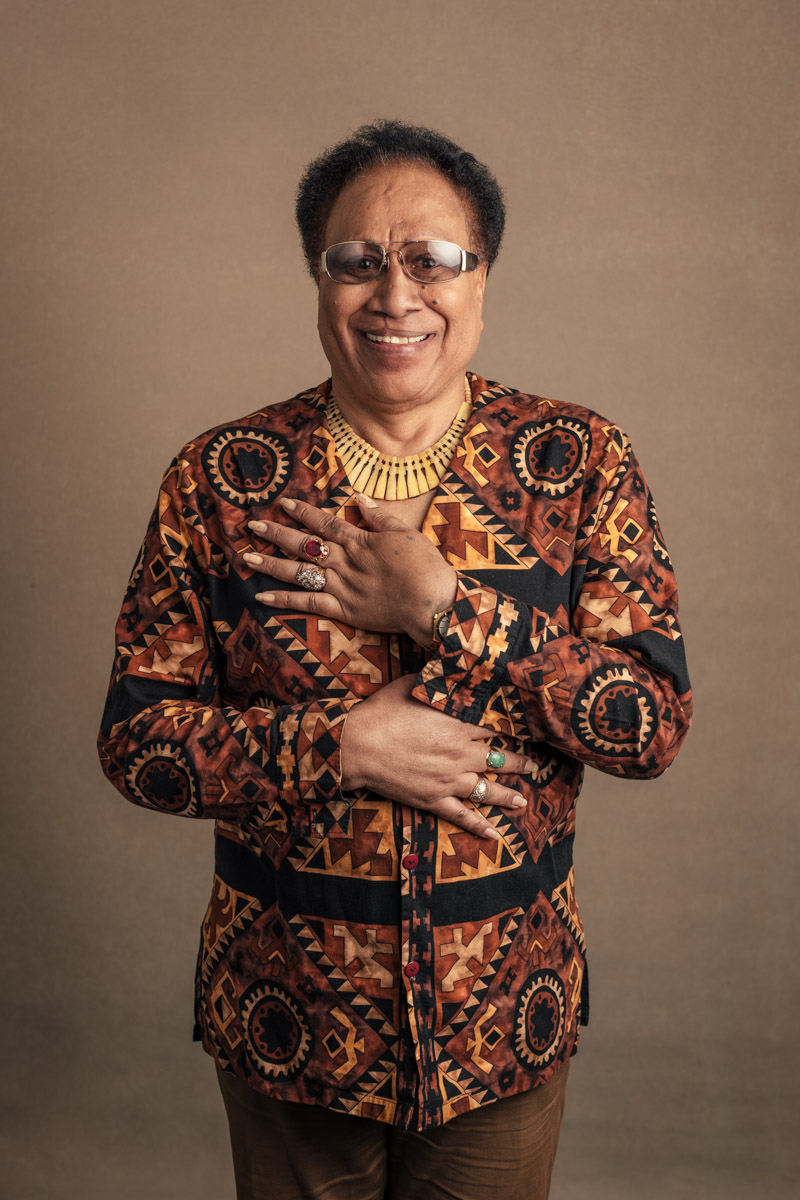
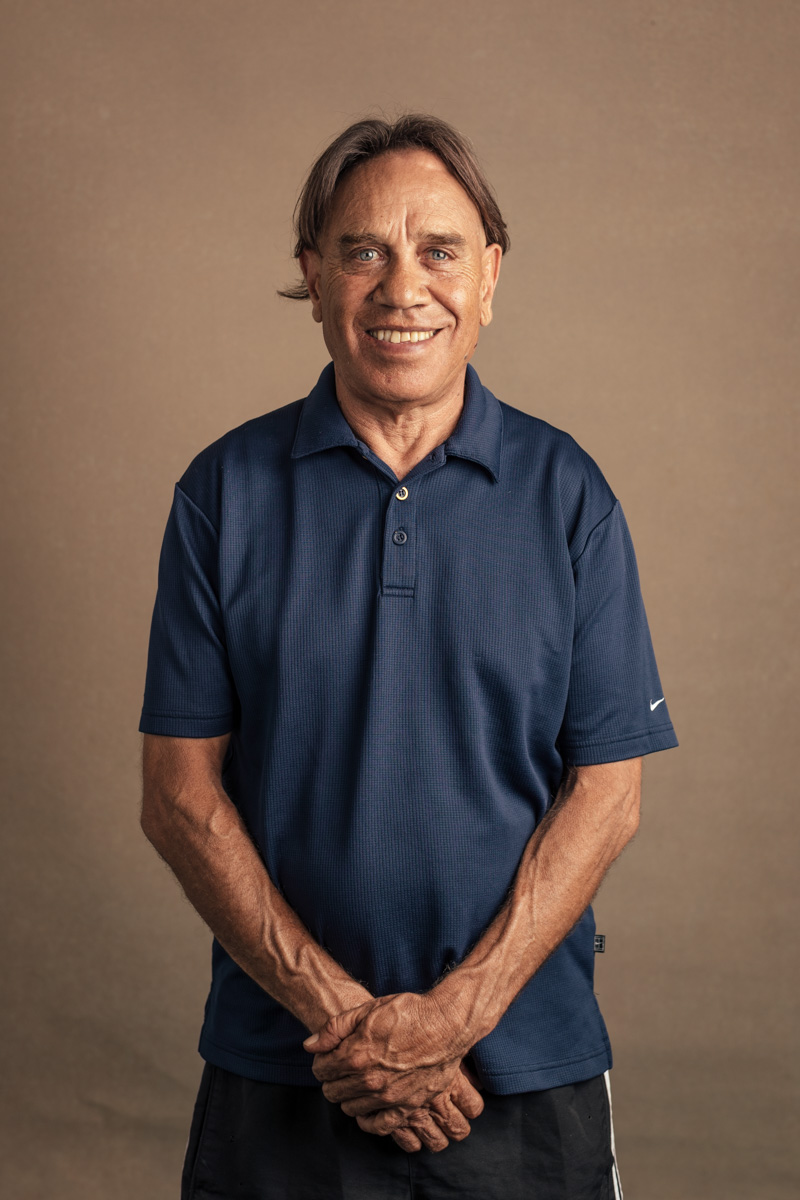
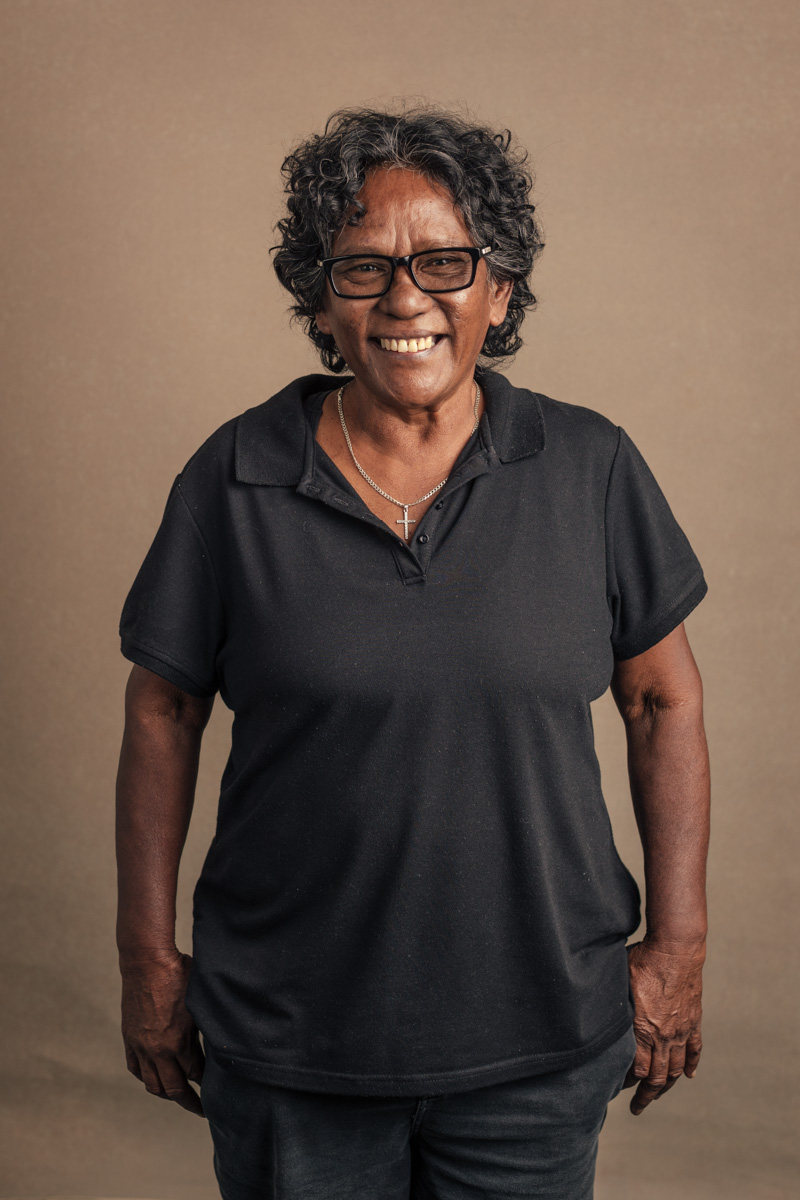
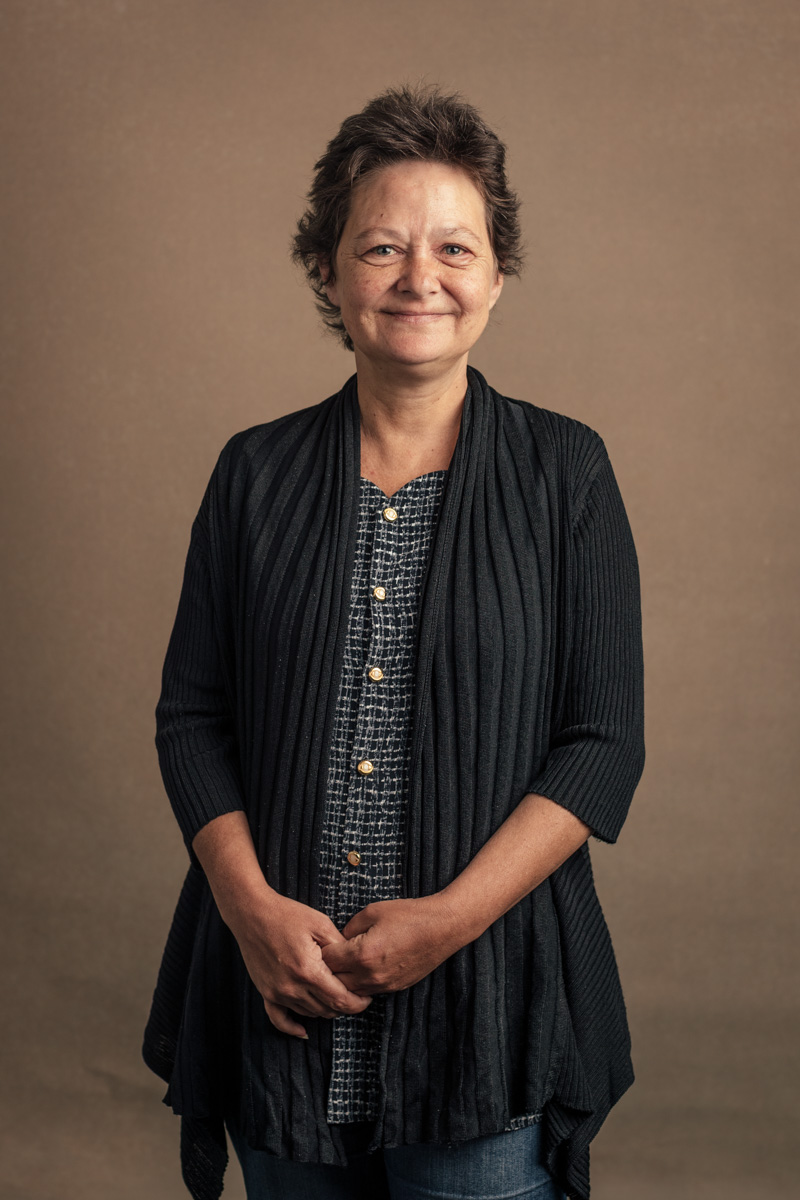
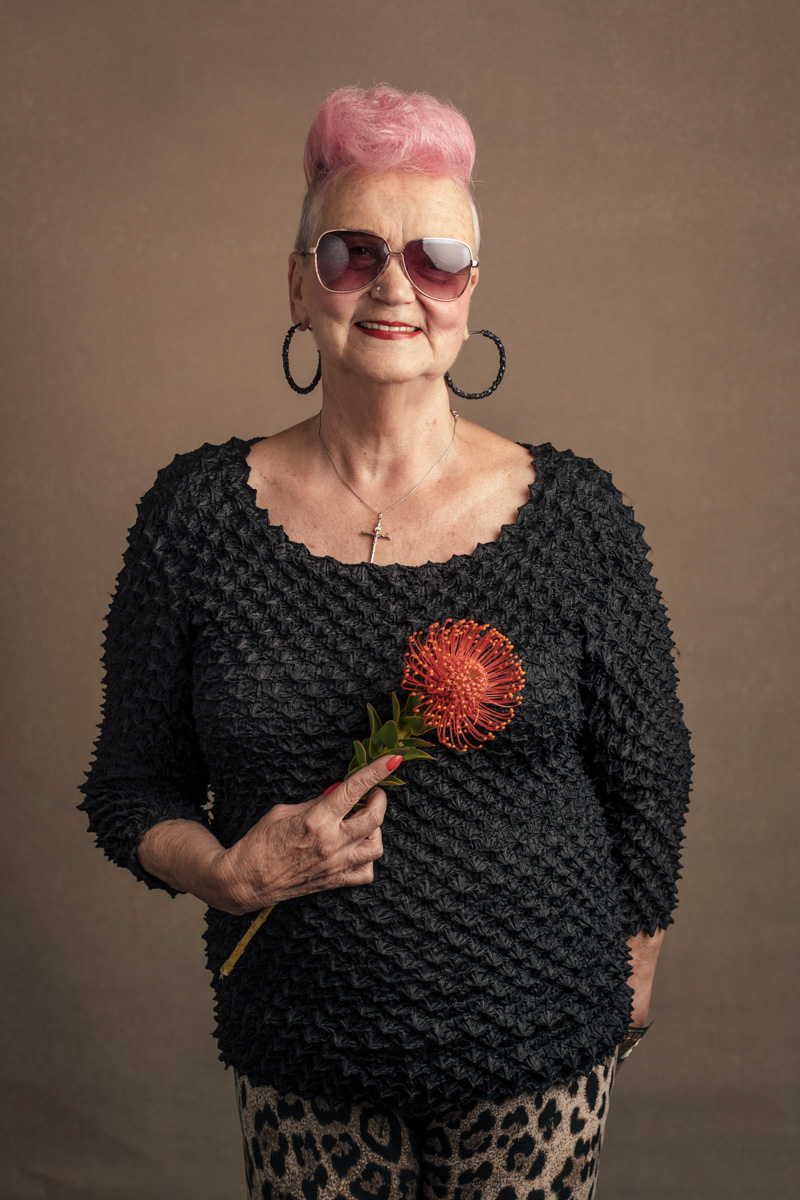
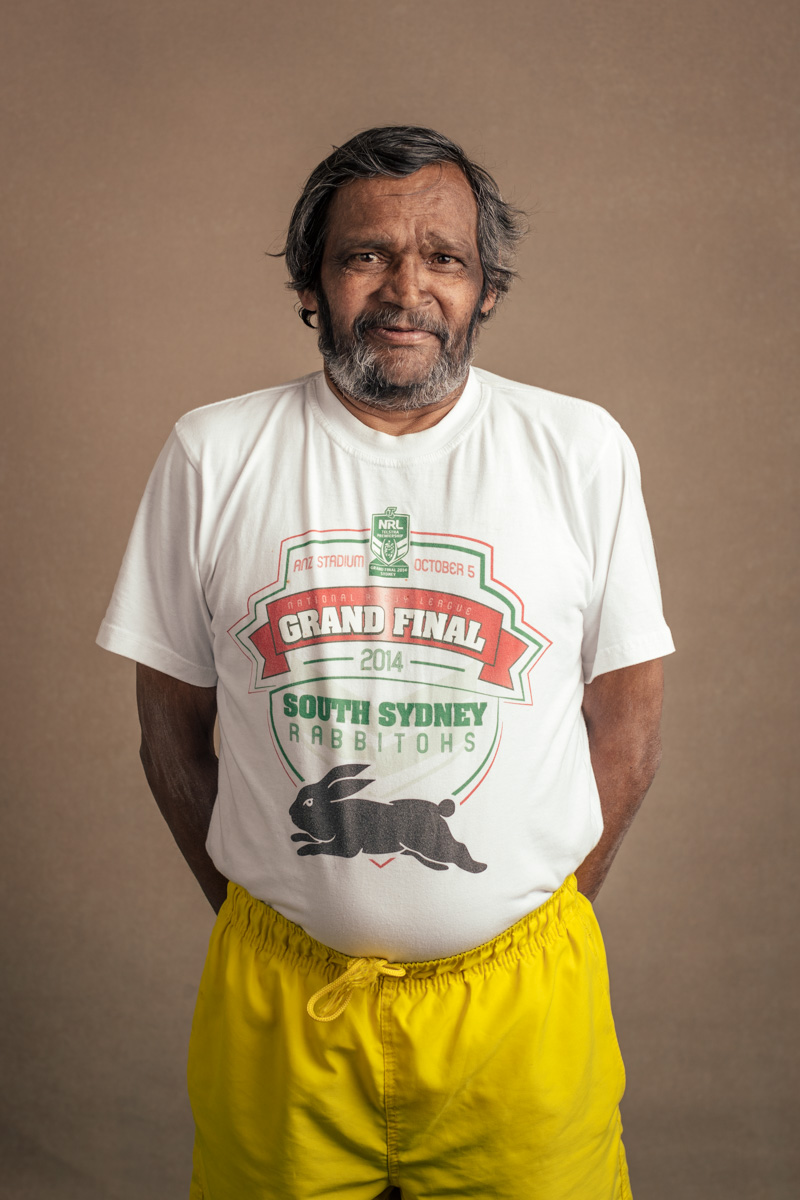
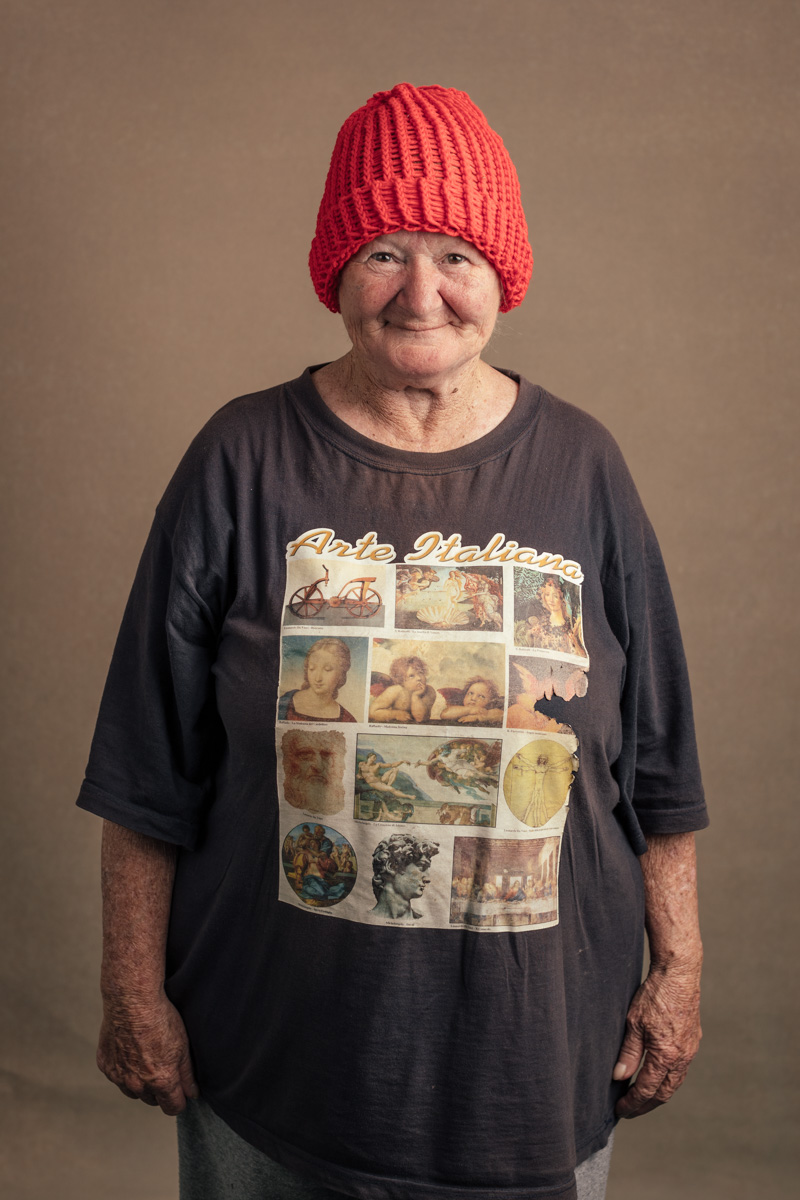
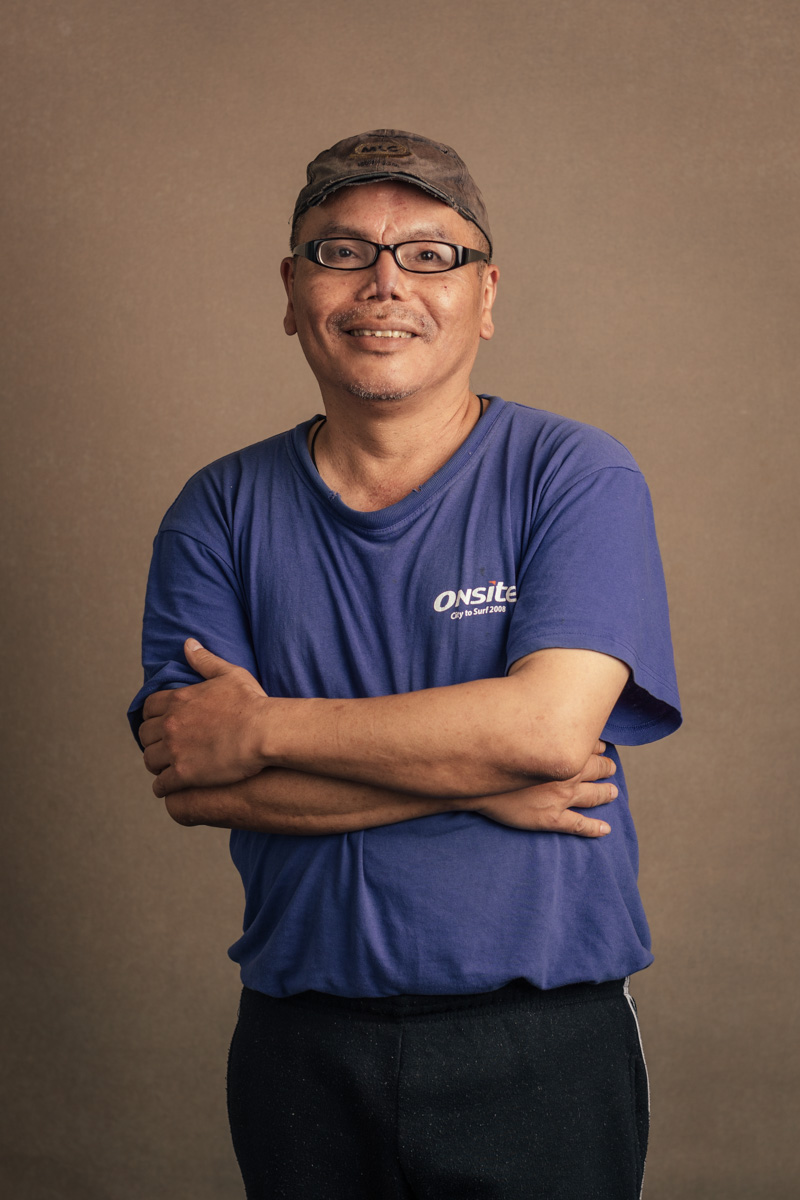
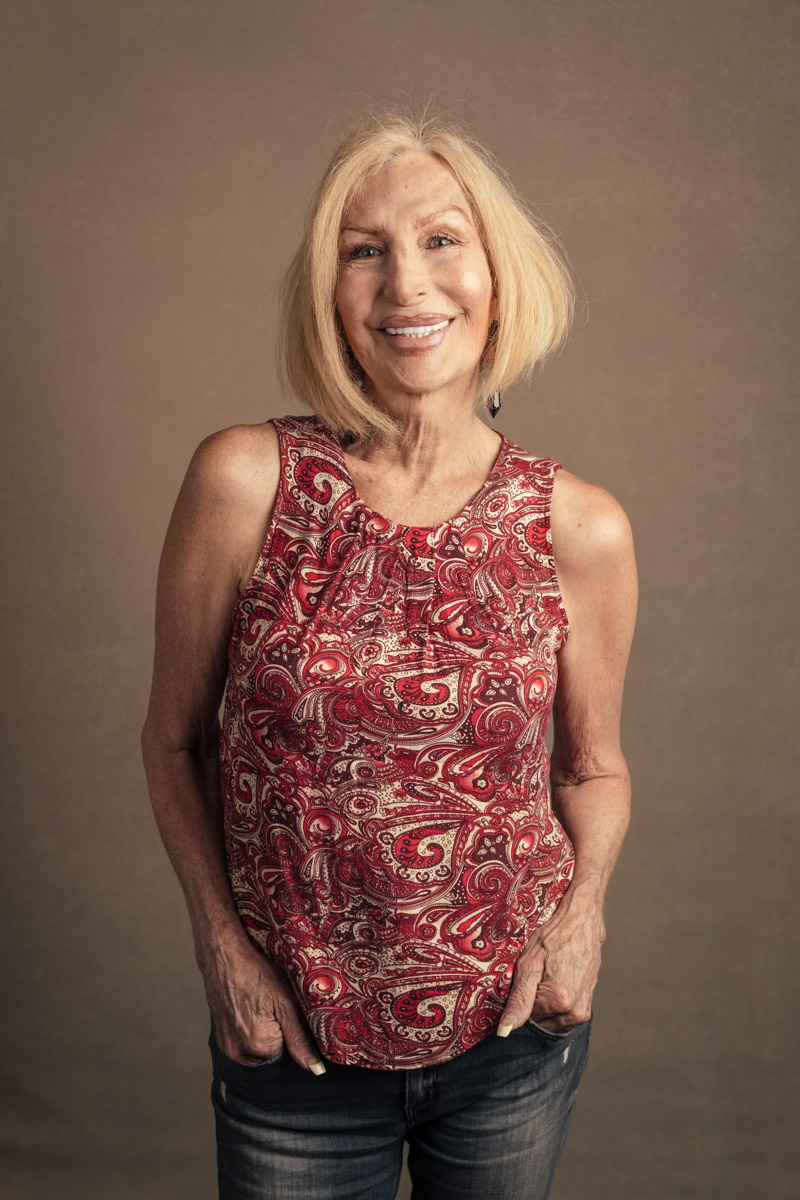
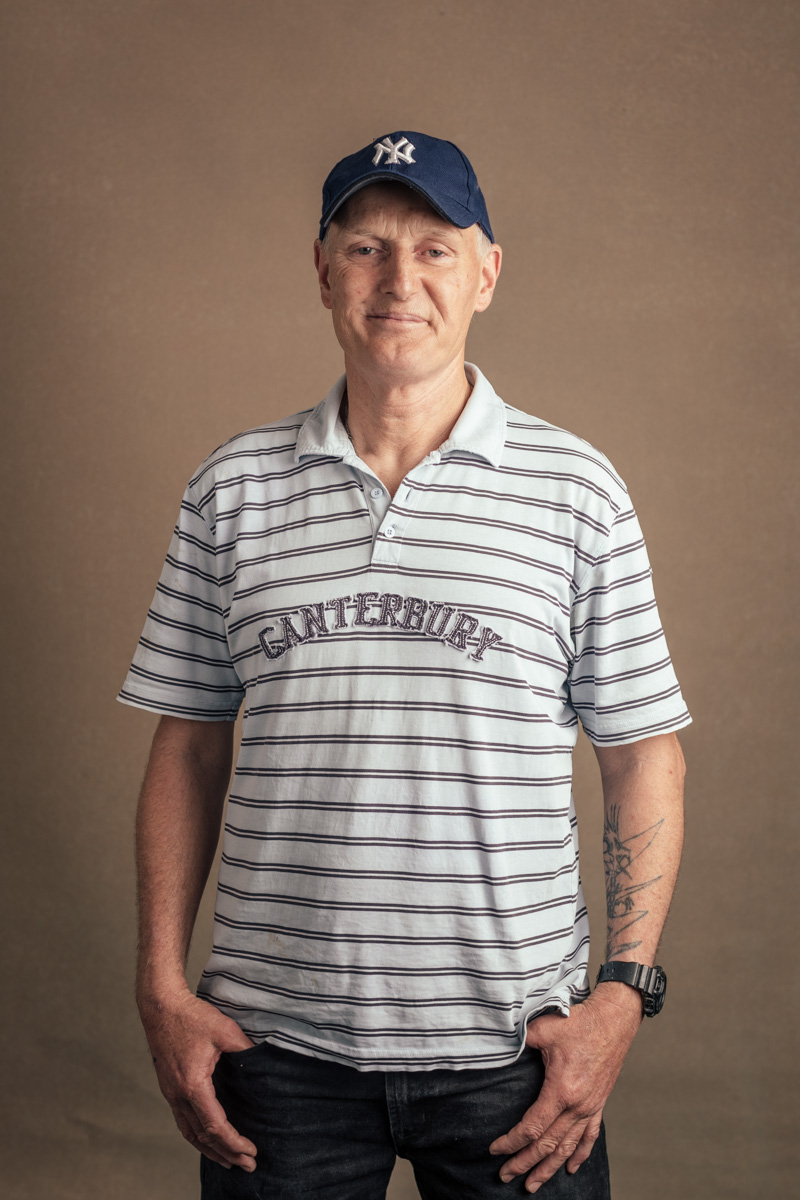
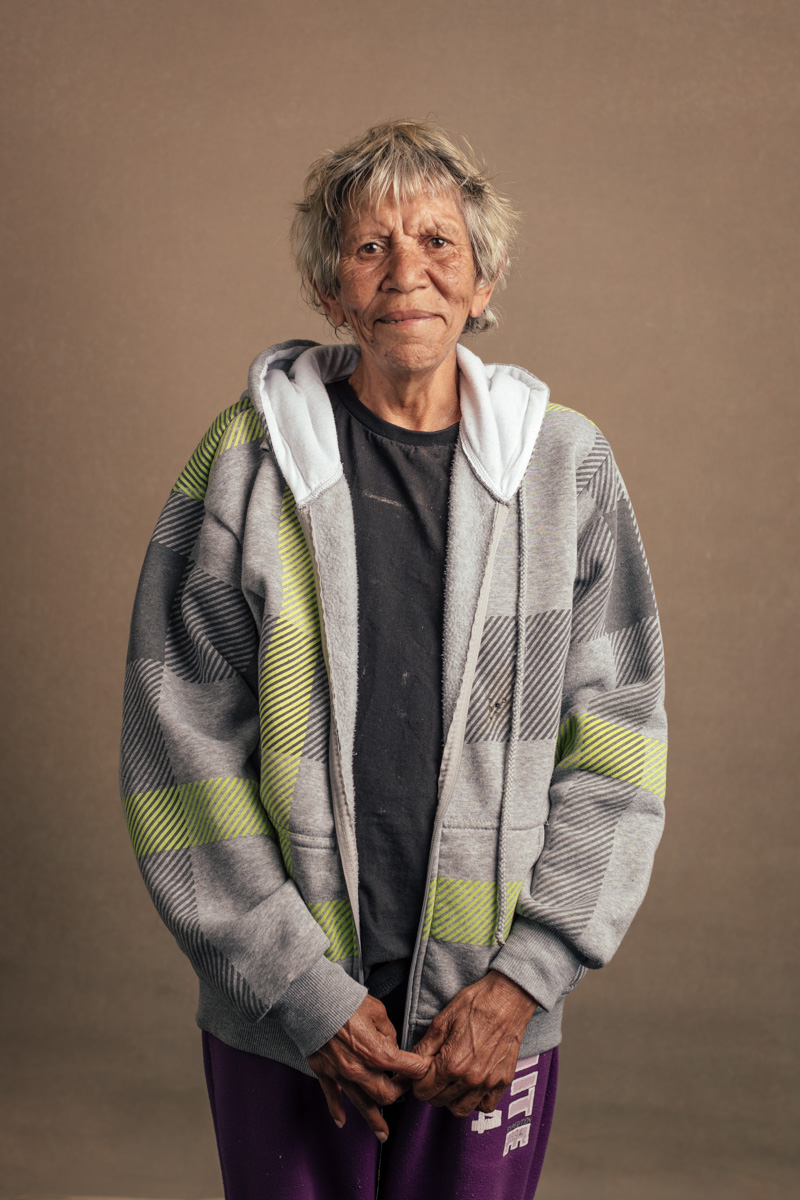
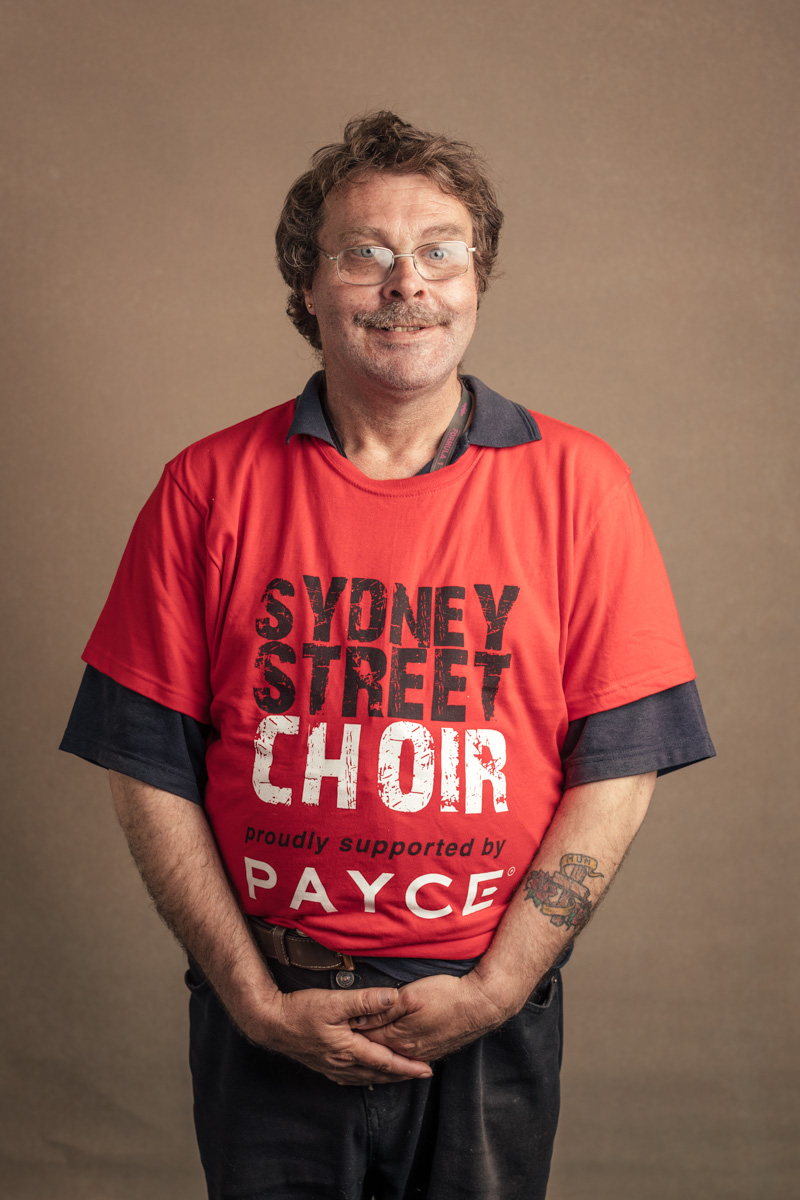
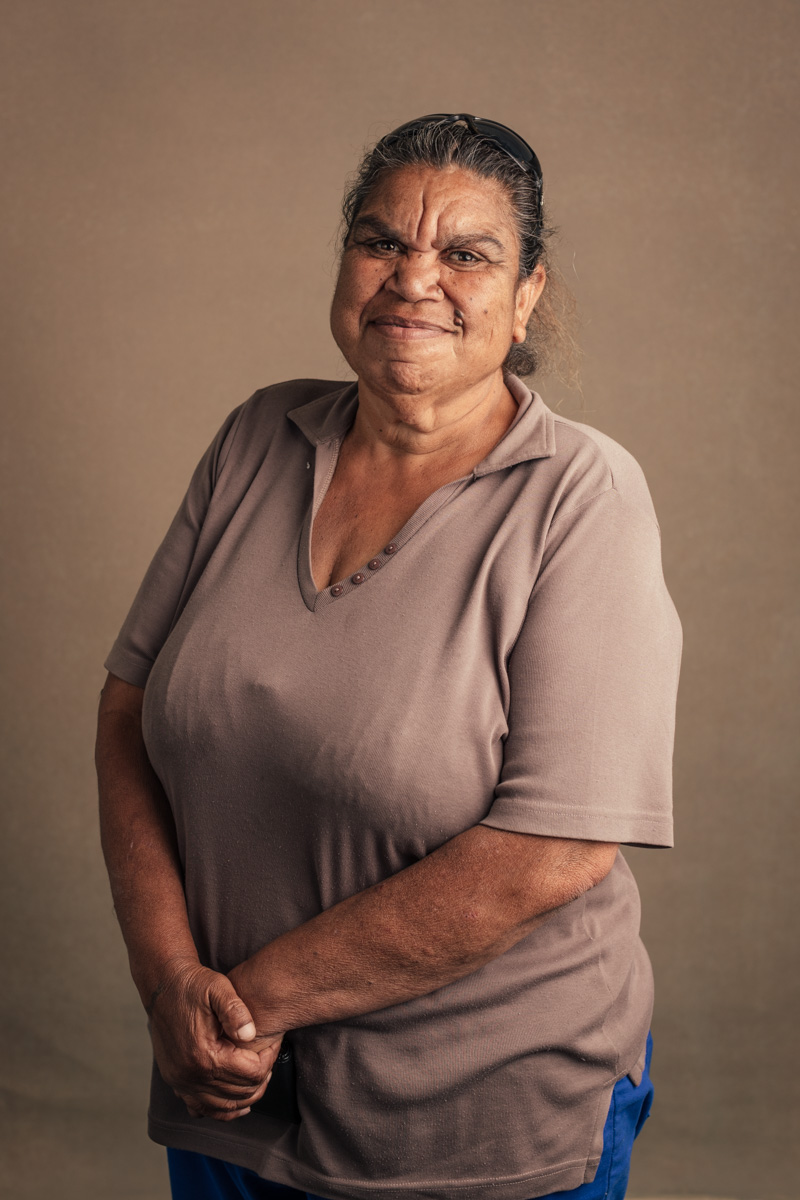
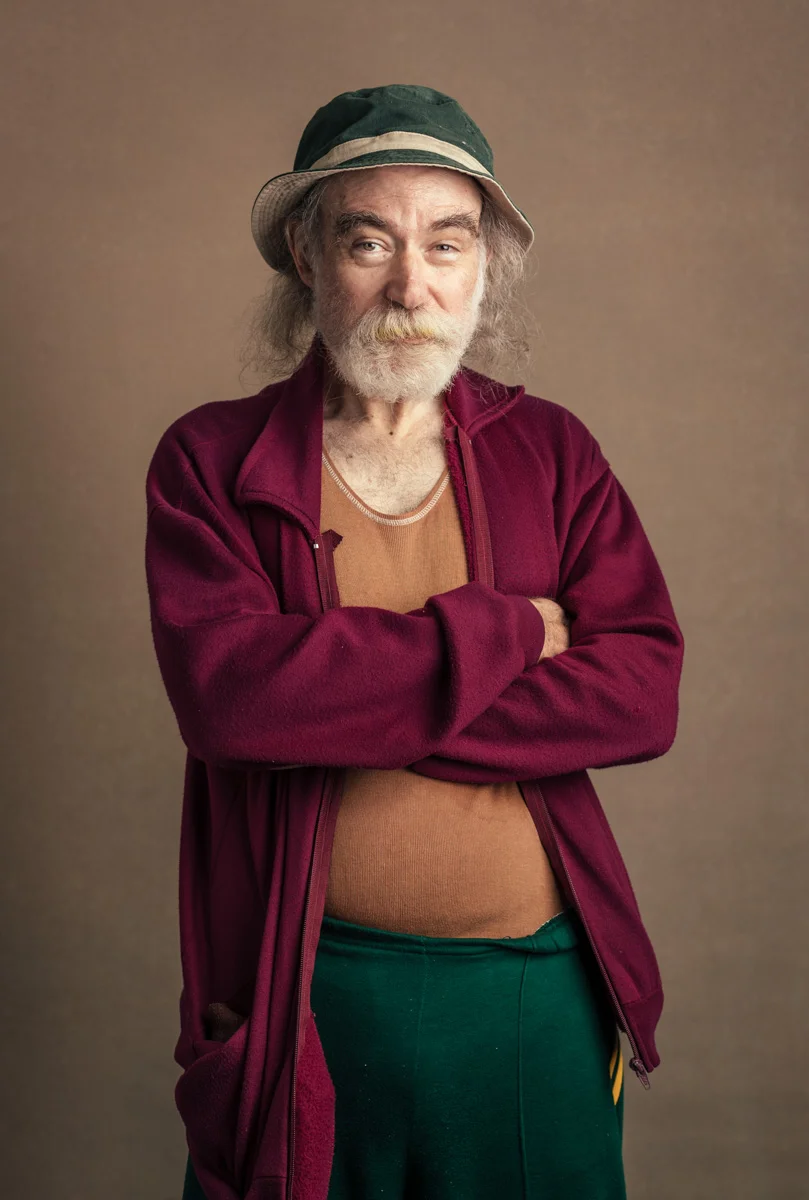
Part of the consultation was documenting some of the clients in a visual way, to accompany the written report and attribute real faces to the information.
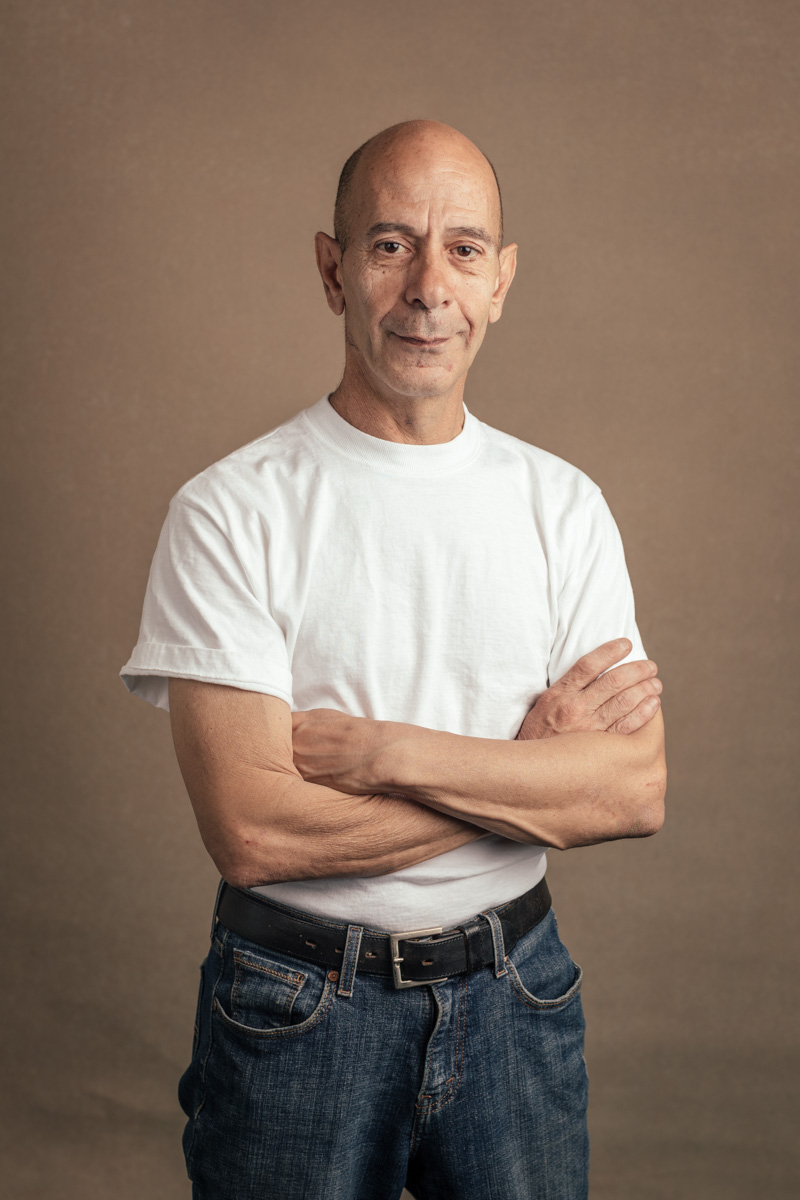
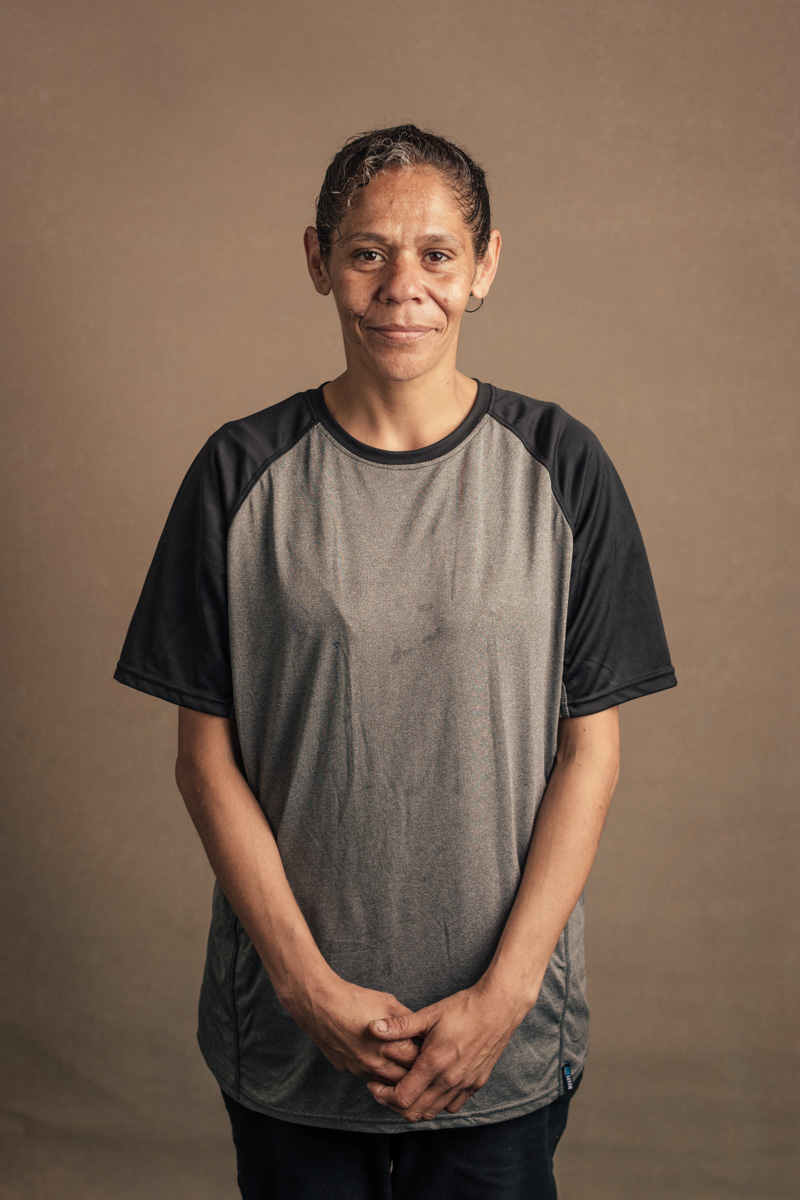
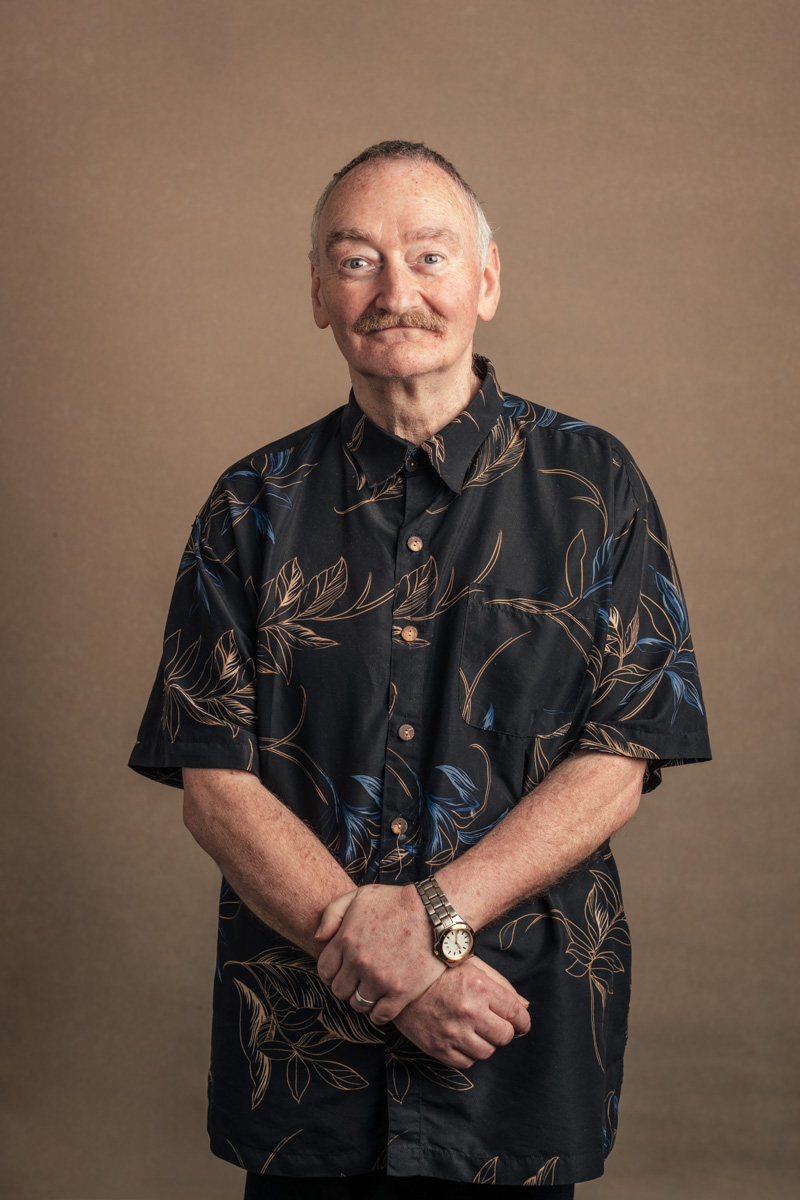
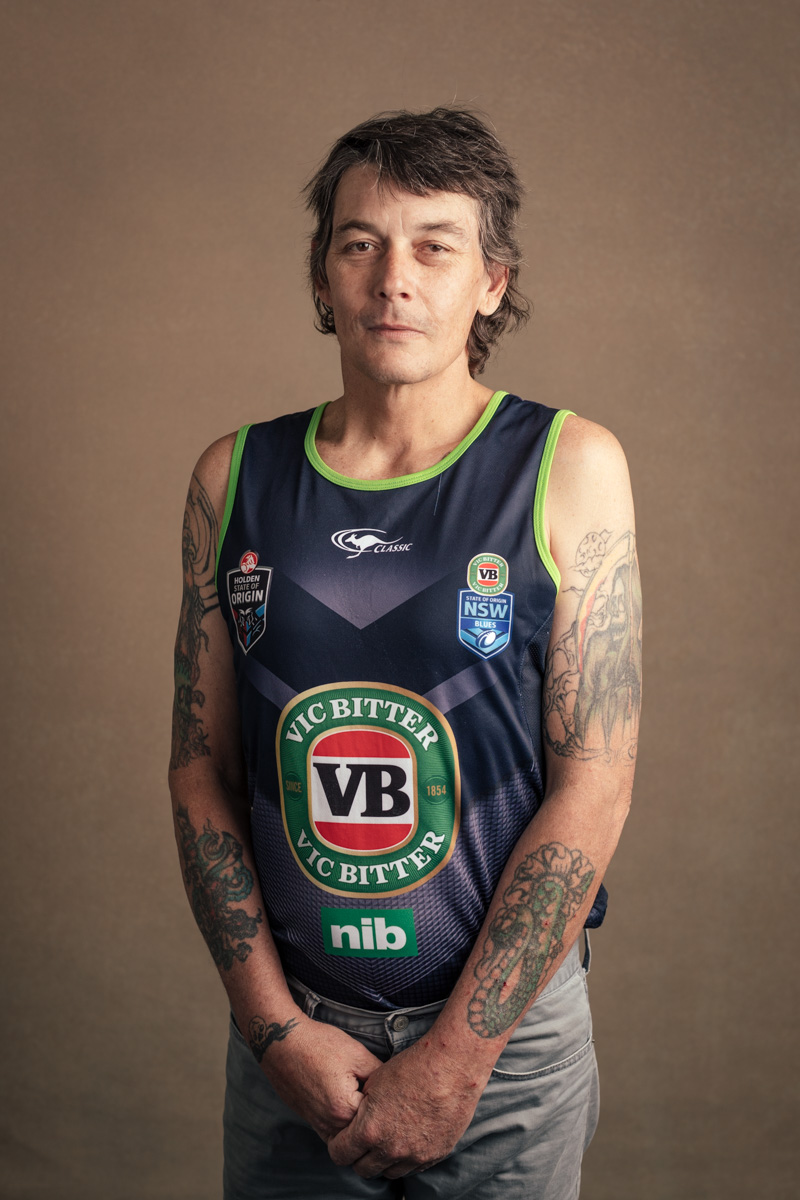
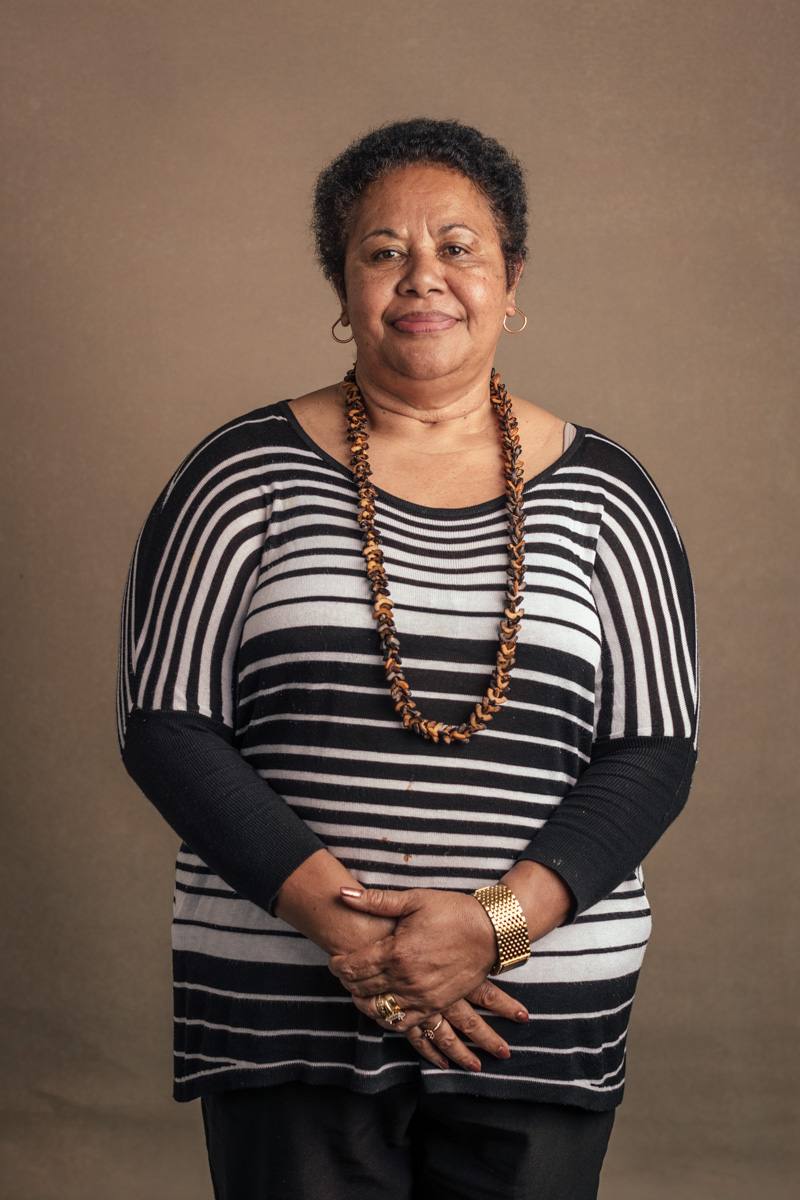
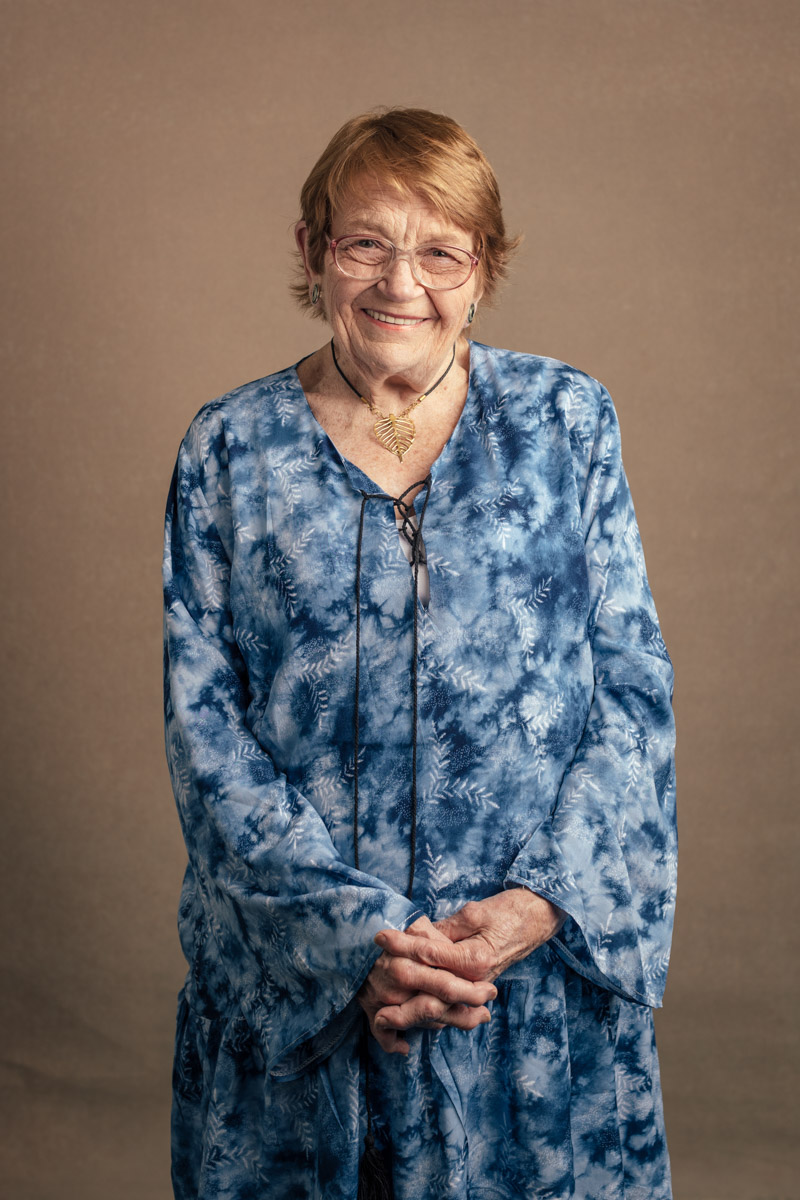
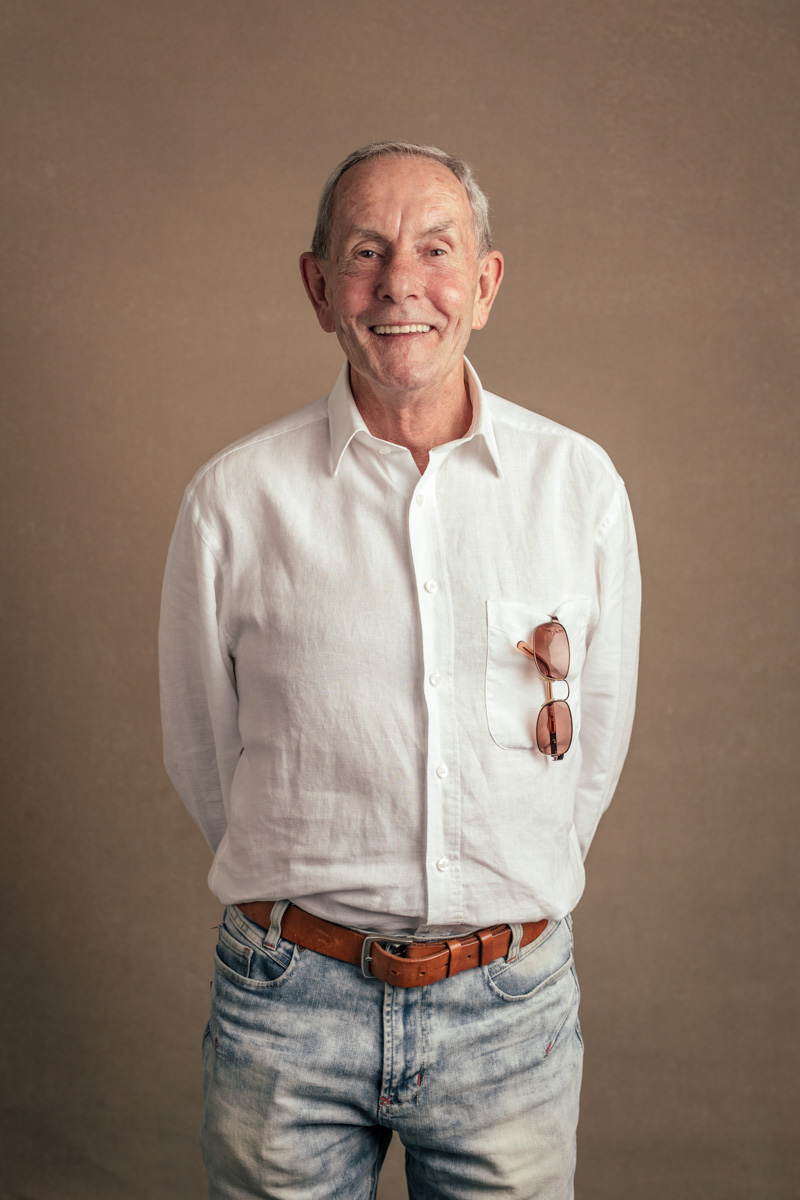
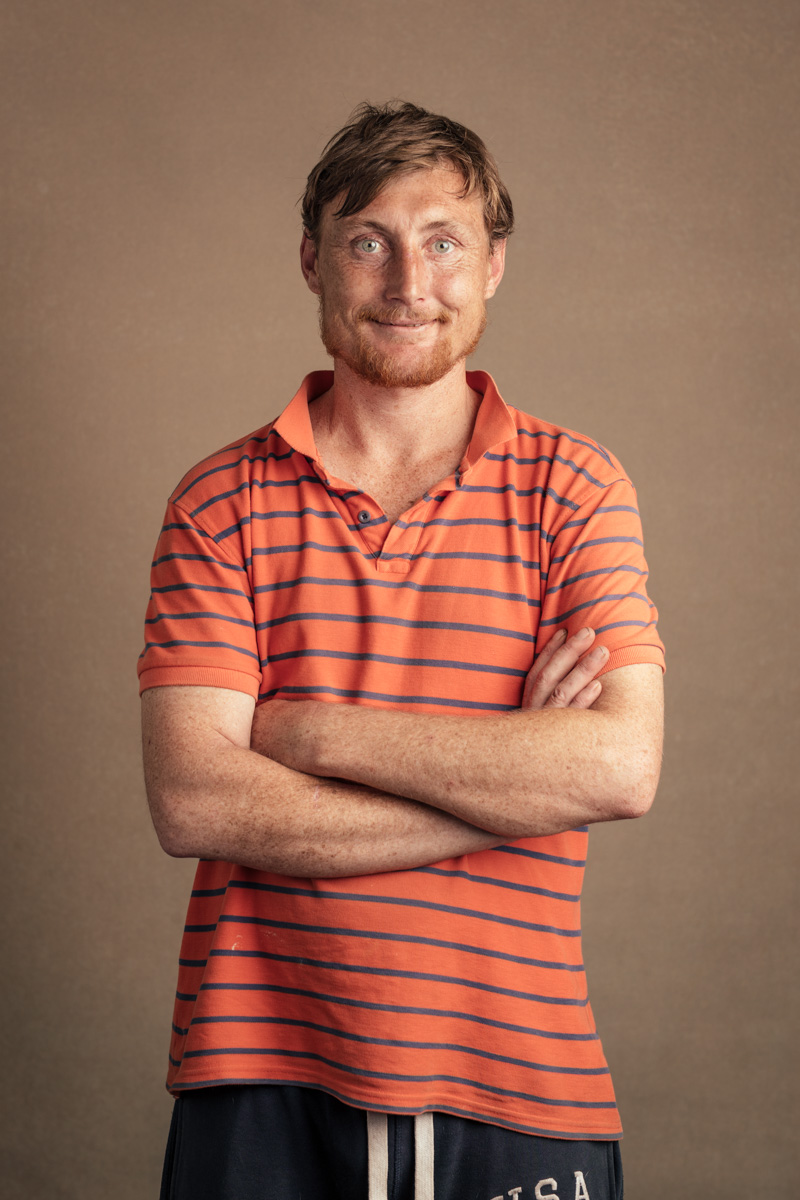

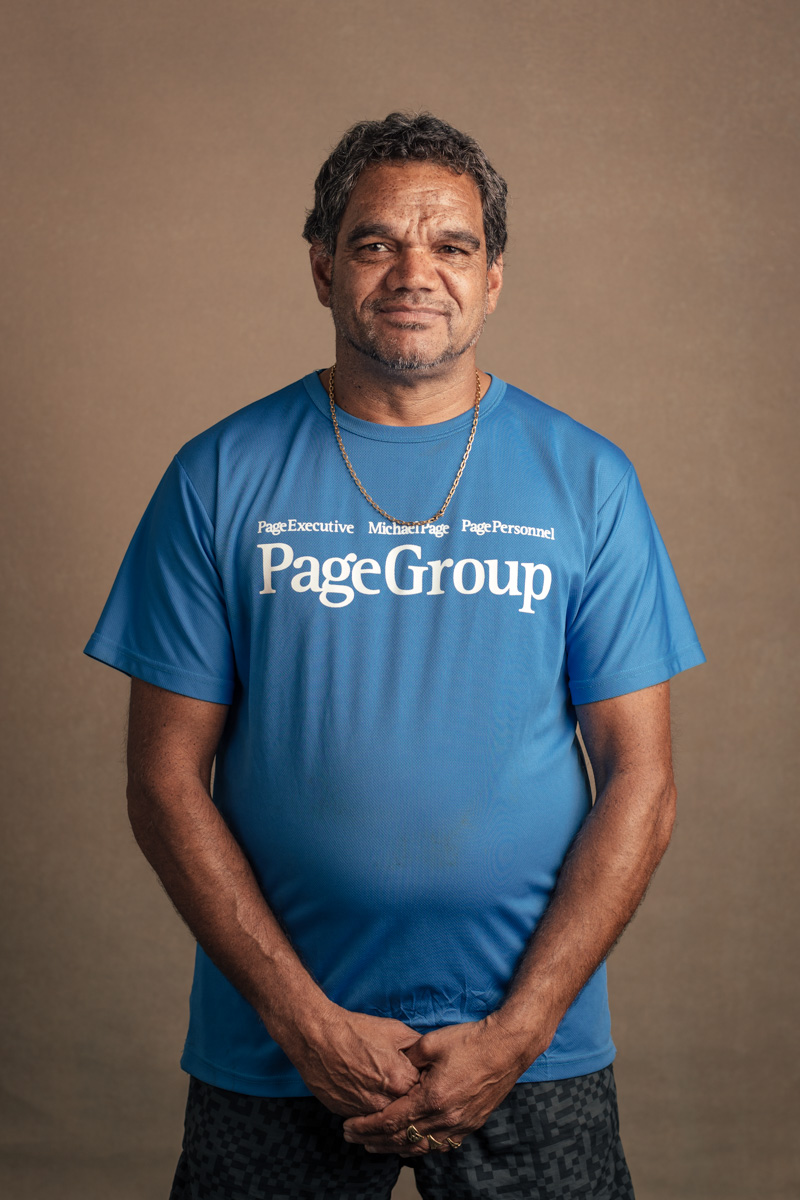
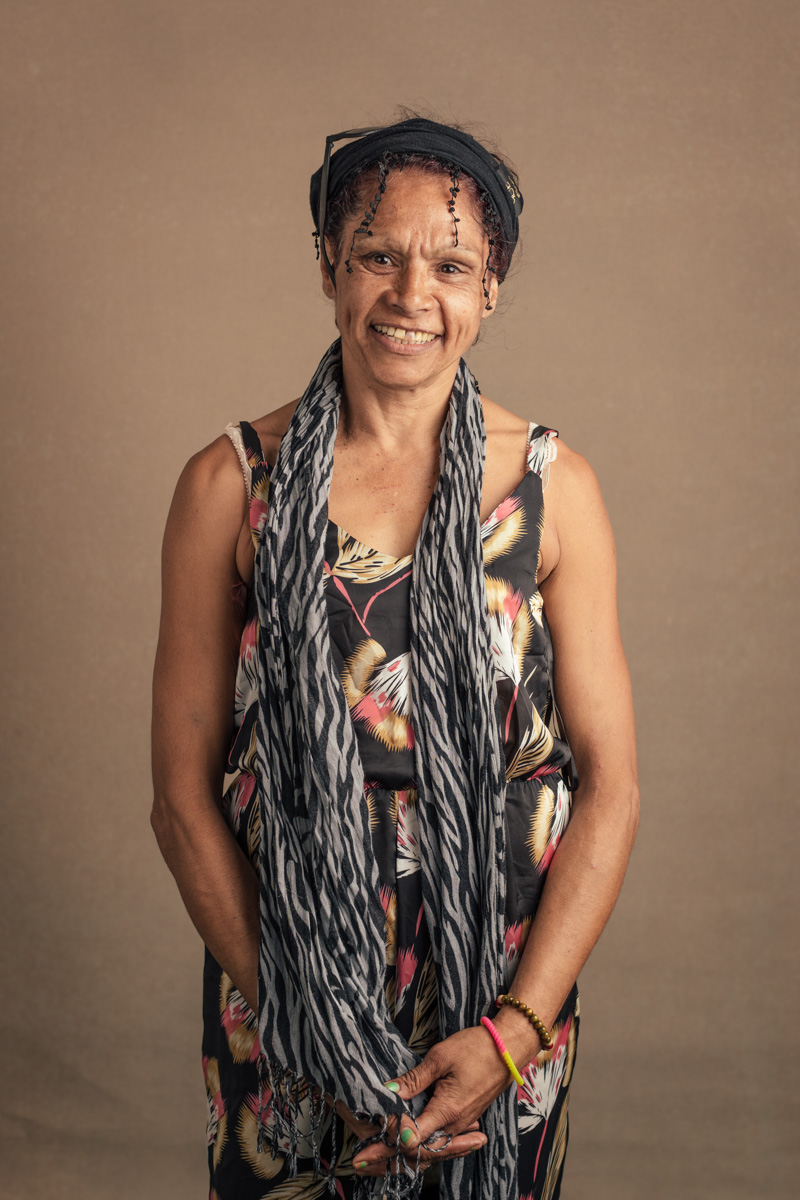
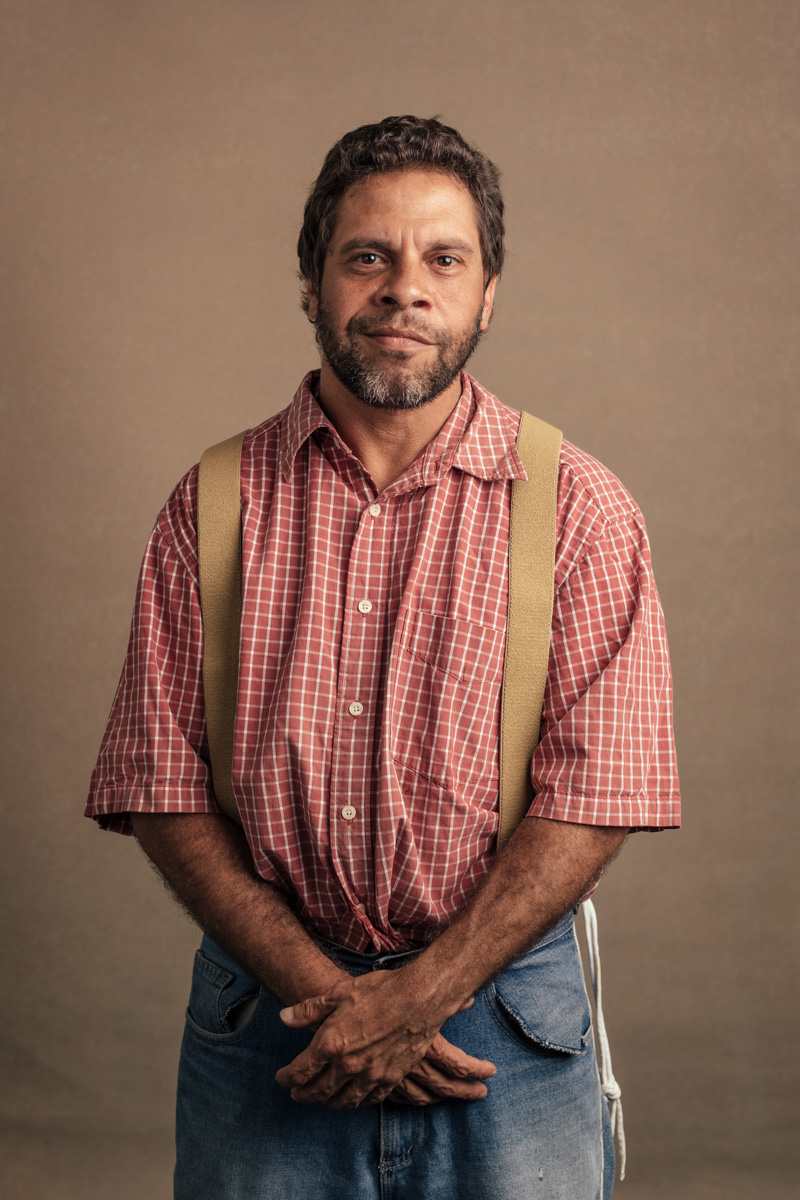
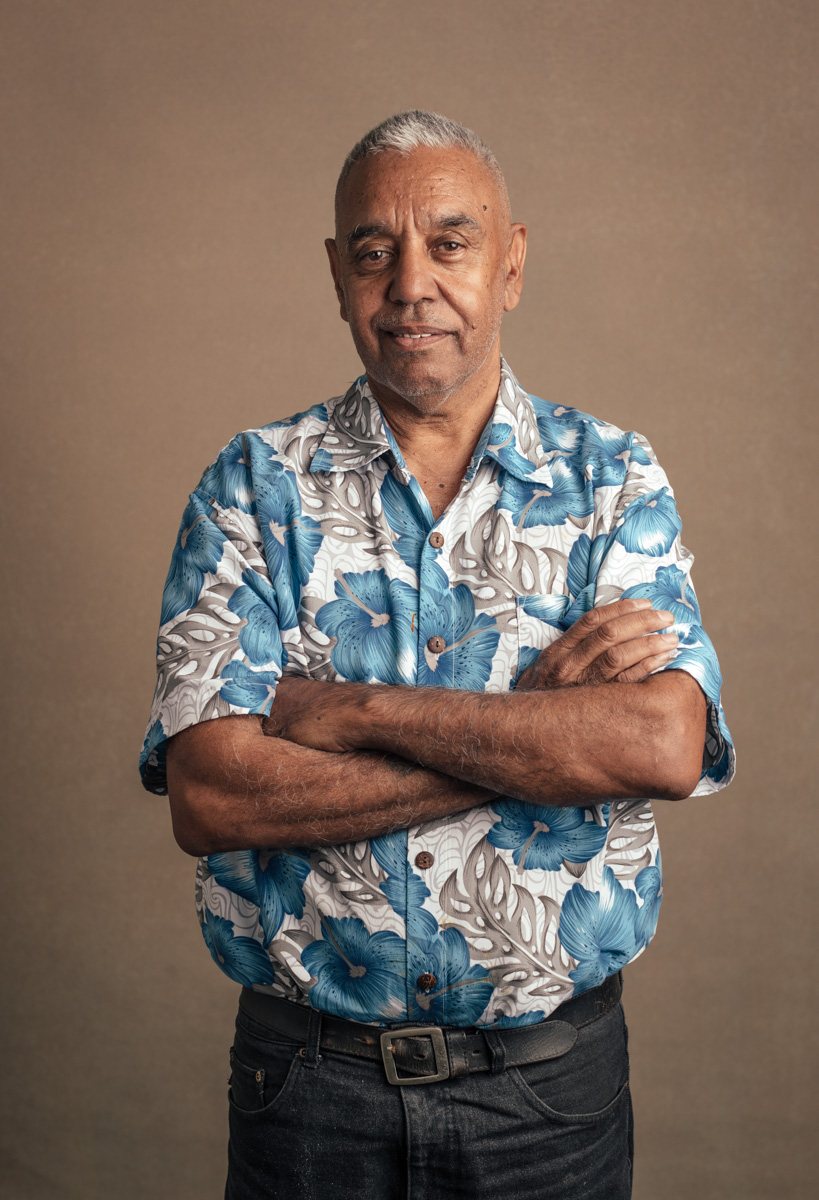
The Urban Forest Project
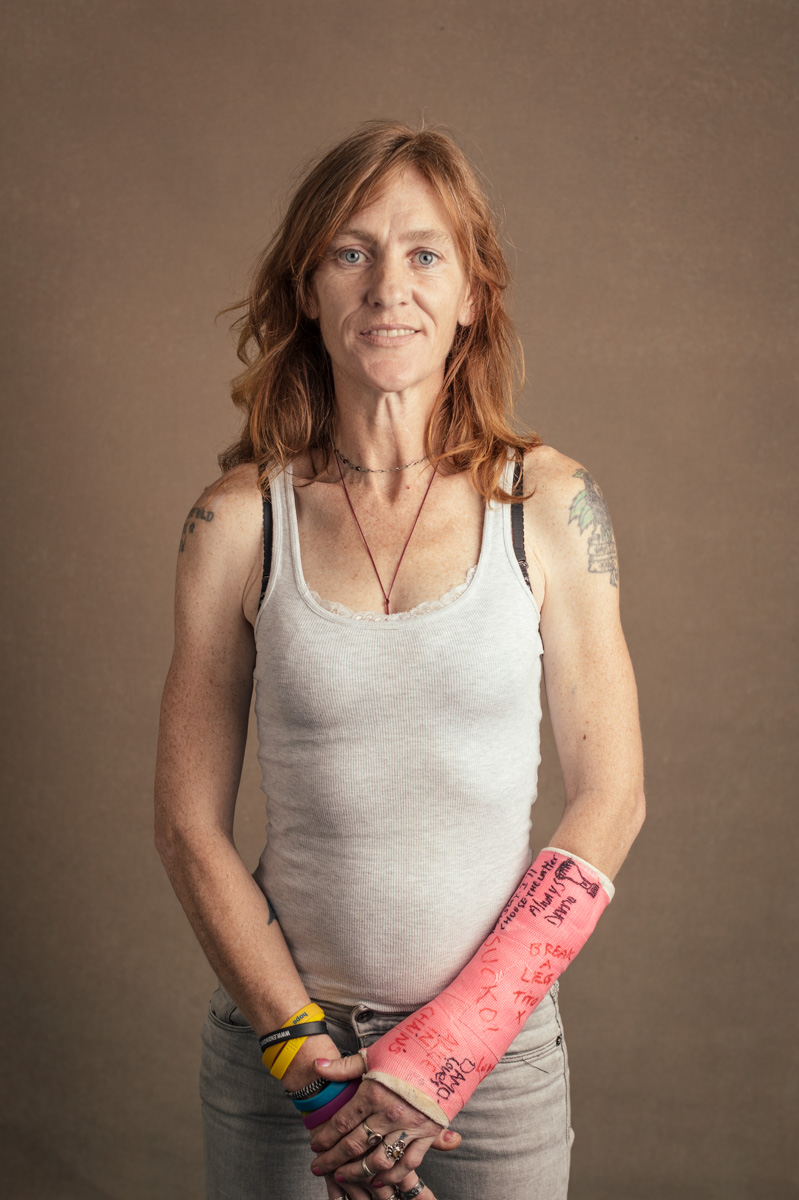
The Urban Forest Project is a creative community portrait project, run in partnership with Weave Youth & Community Services and Housing NSW at the McKell Social Housing Block in Redfern. Weave Youth & Community Services was invited to run this project after a series of violent crimes, murders and negative media attention at the McKell Social Housing Block.
The project was created to tell the stories of the history and diverse cultures of a building that has been home to young and old over the last 52 years in Redfern, Sydney. A fundamental aim of the project was also to connect residents and improve social connection in the building.